Kimono Travel Essentials 2026: What to Pack & Wear
The Ultimate 2026 Kimono Travel Guide: Packing and Styling
As global travel to Japan reaches new heights in 2026, an increasing number of cultural enthusiasts are choosing to integrate traditional garments into their itineraries. Whether you are a seasoned collector bringing your own vintage silk pieces or a first-time visitor planning to rent a yukata for a summer festival, understanding the logistics of kimono travel is essential. Navigating Japan's distinct seasons, adhering to regional etiquette, and knowing exactly what to pack can transform a cumbersome experience into a seamless cultural immersion. According to the Japan National Tourism Organization, cultural heritage tourism remains a top priority for international visitors in 2026, making it the perfect year to refine your traditional wardrobe strategy.
The Anatomy of the Kimono Suitcase: What to Pack
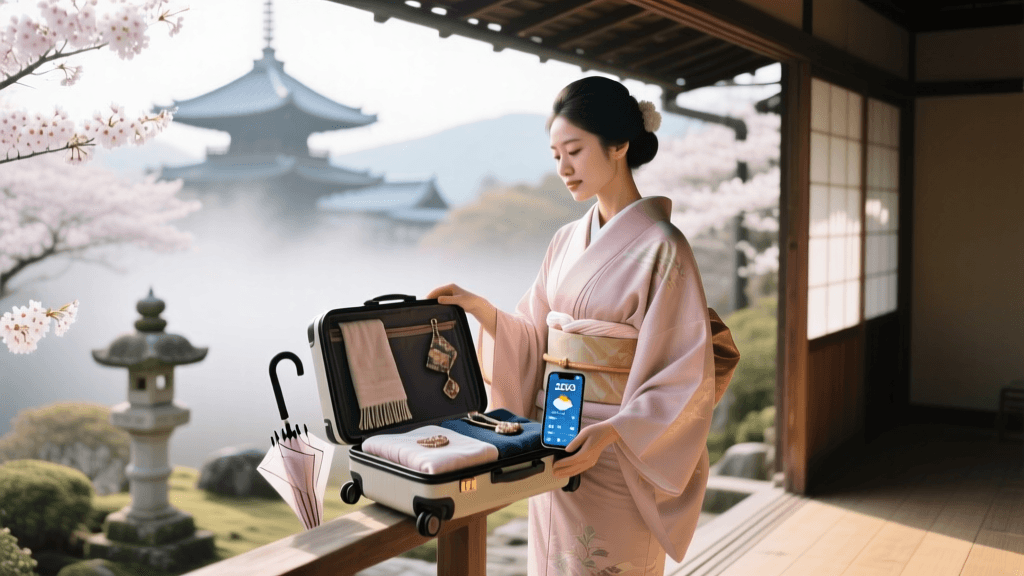
Packing a kimono requires an understanding of its layered architecture. Unlike Western clothing, a kimono ensemble consists of multiple undergarments, ties, and accessories that are highly personal and often difficult to source in standard tourist rental shops. If you are bringing your own garments, focus your luggage space on the foundational layers and accessories.
Essential Base Layers and Ties
- Hadajuban and Nagajuban: The hadajuban (skin undergarment) and nagajuban (inner robe) protect the delicate outer silk from sweat and oils. Pack at least two sets of washable, modern mesh or cotton juban. These are lightweight, compress easily in packing cubes, and are vital for hygiene.
- Koshihimo: These are the long, thin ties used to secure the kimono and juban in place. Bring at least three to four koshihimo. They take up virtually no space and are the unsung heroes of a secure fit.
- Datejime: A wider, elasticized belt worn over the koshihimo to flatten the front of the kimono and provide a smooth canvas for the obi. Modern velcro or elastic datejime are highly recommended for travel due to their ease of use.
- Tabi: The traditional split-toe socks. Always pack your own tabi. Rental shops rarely provide them for sanitary reasons, and finding your exact size in local shops can be time-consuming. Stretchy, modern tabi made from jersey blends are excellent for long days of walking.
The Outer Garments: Pack vs. Rent
Deciding whether to pack your own kimono and obi (sash) or rent them upon arrival depends on your luggage allowance, the season, and your itinerary. Below is a strategic breakdown for 2026 travelers.
| Garment / Accessory | Recommendation | Why? |
|---|---|---|
| Tabi (Socks) | Pack | Hygiene, specific sizing, and rarely included in standard rental packages. |
| Koshihimo & Datejime | Pack | Crucial for fit; takes up zero luggage space; hard to find in English-speaking shops. |
| Obi-ita (Obi Board) | Pack | Essential for preventing the obi from wrinkling; very lightweight and inexpensive. |
| Kimono & Yukata | Rent (Usually) | Silks are heavy, wrinkle easily, and require specific seasonal fabrics that are hard to pack for multi-season trips. |
| Obi (Sash) | Rent | High-quality obi are bulky, stiff, and difficult to fold without damaging the brocade. |
| Zori / Geta (Footwear) | Rent or Buy Locally | Wooden geta are heavy; rental shops provide appropriately sized footwear for the day. |
Seasonal Weather Adaptations for 2026
Japan's climate dictates the strict rules of kimono wearing. The concept of koromogae (the seasonal changing of clothes) is deeply ingrained in Japanese culture. Wearing a heavy lined silk kimono in the peak of August is not only a fashion faux pas but a physical hazard. Here is how to adapt your travel wardrobe to the 2026 climate forecasts.
Spring (March to May): The Art of Layering
Spring is the season of awase (lined kimonos). However, early March can still carry a winter chill, while late May feels like early summer. Pack a lightweight haori (kimono jacket) that can be easily removed and stuffed into a tote bag as the day warms up. A wool or polyester blend kimono is an excellent travel choice for spring, as it resists wrinkling and provides moderate warmth without the bulk of silk.
Summer (June to August): Beating the Humidity
Japan's summers are notoriously hot and humid. For travel during the Gion Matsuri or Obon festivals, leave the silk at home and opt for a yukata (cotton summer robe) or a ro or sha (sheer, woven summer kimono). Underneath, wear a modern cooling-mesh juban designed with moisture-wicking technology. Pair this with a lightweight, single-layer hanhaba obi (half-width sash) which is much cooler and easier to tie than a formal fukuro obi.
Autumn (September to November): Transitioning Textures
Autumn calls for rich colors and slightly heavier textures. September still requires unlined hitoe kimonos, but by October, you transition back to lined awase. This is the best season to wear vintage silk, as the crisp, dry air prevents the fabric from clinging. Pack a velvet or wool haori for late November evenings in Kyoto.
Winter (December to February): Modern Warmth Hacks
Traditional kimono are not designed for freezing temperatures. The modern traveler's secret weapon is Heattech or similar thermal base layers. Wear a tight, long-sleeved thermal top and leggings beneath your hadajuban. Additionally, invest in a thick wool shiro-maki (winter shawl) or a faux-fur collar to protect your neck from the wind while maintaining a traditional silhouette.
Where to Wear: Top Destinations and Etiquette
Knowing where to wear your kimono is just as important as knowing how to pack it. Different cities offer vastly different experiences, and local regulations regarding traditional dress and photography have evolved significantly by 2026. The Kyoto City Official Travel Guide provides up-to-date resources on navigating these historic districts respectfully.
Kyoto: Navigating the Historic Districts
Kyoto remains the epicenter of kimono culture. Neighborhoods like Higashiyama, Ninenzaka, and Arashiyama are picturesque backdrops for traditional wear. However, travelers must be aware of strict etiquette. Following the comprehensive photography bans implemented in the private alleys of Gion to protect the privacy of geiko and maiko, visitors in 2026 must be hyper-aware of where they take photos. Wearing a kimono in these areas is a privilege; always walk on the designated paths, avoid blocking narrow streets, and never attempt to photograph working geisha without explicit permission. For a more relaxed experience, rent a kimono and visit the sprawling gardens of Daikakuji or the quieter temples in the Ohara region.
Kanazawa: Samurai and Geisha Heritage
Often called 'Little Kyoto', Kanazawa offers a less crowded, highly atmospheric environment for kimono travel. Strolling through the Higashi Chaya (geisha) district or the meticulously maintained Kenrokuen Garden in a traditional garment is a highlight of the 2026 cultural tourism circuit. Kanazawa is also famous for its gold leaf production; consider accessorizing your kimono with a subtle gold-leaf hairpin or kanzashi to pay homage to the local craftsmanship.
Tokyo: Modern Fusion in Yanaka and Asakusa
Tokyo offers a unique blend of Edo-period history and ultra-modern fashion. In Asakusa, the bustling streets around Senso-ji Temple are filled with rental shops offering everything from classic silks to modern, pop-culture-inspired yukatas. For a more nostalgic, slow-paced experience, head to Yanaka. This neighborhood survived the wartime bombings and retains a traditional shitamachi (downtown) vibe. Wearing a subdued, vintage-style kimono here feels incredibly authentic and is highly appreciated by local artisans and cafe owners.
Essential Travel Accessories You Didn't Know You Needed
Beyond the garments themselves, a few practical accessories will save your trip:
- Large Coin Locker Strategy: When renting a kimono or changing into your own, you will need to store your modern luggage. Major transit hubs in Kyoto and Tokyo offer large coin lockers (700-900 yen) that can fit a standard carry-on. Download a 2026 locker-mapping app to find available spaces near your rental shop.
- Kinchaku vs. Modern Bags: While the traditional kinchaku (drawstring pouch) is beautiful, it lacks the security and space needed for a modern smartphone, passport, and power bank. In 2026, it is perfectly acceptable to pair a kimono with a structured, minimalist leather crossbody bag or a high-quality bamboo-handled tote, provided the colors complement your outfit.
- Blister Prevention: Walking in zori or geta can cause severe blisters between the toes if you are unaccustomed to them. Pack specialized toe-sock liners or silicone toe protectors in your day bag. Furthermore, limit your kimono-wearing days to areas with flat, paved surfaces, avoiding the steep stone steps of mountain temples.
Sourcing Authentic Pieces Before Your Trip
If you prefer to own your garments rather than rent, the global secondhand market for vintage kimono has exploded. Online platforms and specialized vintage dealers offer authentic, mid-century silk kimonos at a fraction of their original cost. When purchasing online, always check the mitsu-haba (the width of the kimono from sleeve end to sleeve end) to ensure it will wrap around your body comfortably. A standard vintage kimono is tailored to the original owner's measurements, which are often smaller than modern Western averages. Look for pieces labeled as 'wide' or 'plus size' to ensure a proper overlap at the front.
Conclusion: Embracing the Culture Respectfully
Traveling with a kimono in 2026 is a deeply rewarding way to engage with Japanese heritage. It requires patience, preparation, and a willingness to step outside your sartorial comfort zone. By packing the right foundational layers, respecting the seasonal rules of koromogae, and adhering to local etiquette in historic districts, you elevate your travel experience from simple sightseeing to genuine cultural participation. As highlighted by cultural broadcasts on NHK World Japan, the international appreciation for traditional Japanese garments continues to foster cross-cultural understanding, provided it is approached with mindfulness and respect. Pack smart, dress for the season, and enjoy the timeless elegance of the kimono on your next Japanese adventure.