Kimono Travel Essentials 2026: Packing Guide & Best Cities
The Renaissance of Personal Kimono Travel in 2026
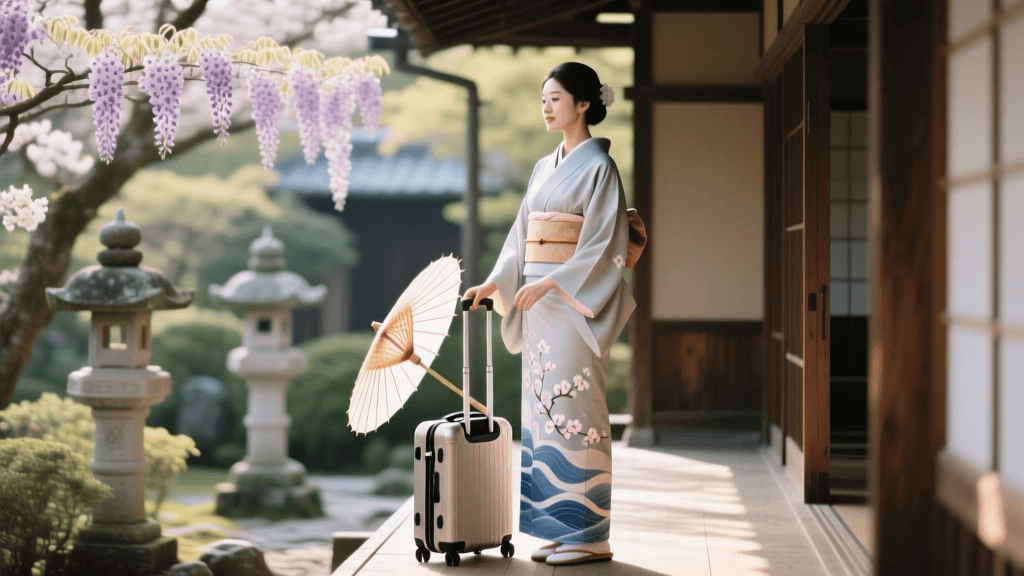
As we navigate the cultural travel landscape of 2026, a significant shift has occurred among enthusiasts of Japanese traditional garments. While rental shops remain popular for casual tourists, serious practitioners, textile collectors, and cultural ambassadors are increasingly bringing their own kimono or sourcing vintage pieces upon arrival. This movement is driven by a desire for authentic self-expression, sustainable fashion practices, and a deeper connection to the art of kitsuke (the art of dressing). However, traveling with traditional Japanese attire requires meticulous planning. The garments are delicate, the layering system is complex, and Japan's distinct seasons demand precise fabric choices. Whether you are attending a tea ceremony in Kyoto, exploring the artisan districts of Kanazawa, or simply enjoying a quiet morning walk in Tokyo, this comprehensive 2026 guide will ensure your kimono travels are as seamless as they are stylish.
The Ultimate 2026 Kimono Packing Checklist
Packing a kimono is not as simple as folding a dress into a suitcase. The kitsuke system relies on a specific hierarchy of undergarments, ties, and accessories. For a standard 10-day trip to Japan, you should plan to pack at least two complete outfits to allow for cleaning and resting the fabrics. Here is your essential packing list:
- Kimono (2-3): Opt for wrinkle-resistant fabrics like high-quality polyester blends or modern washable silks for travel days. Save your delicate vintage Oshima Tsumugi or Yuzen-dyed silk for special dinners or tea ceremonies.
- Nagajuban (Under-kimono): Pack two. The modern 2026 market offers fantastic two-piece nagajuban (hadajuban and susoyoke) made from moisture-wicking, quick-dry synthetic blends that can be washed in a hotel sink and dried overnight.
- Erishin (Collar Stays): Essential for keeping the collar crisp. Bring at least two, as they can occasionally snap under tension.
- Koshihimo (Tying Cords): Pack 4 to 5. The latest innovation for 2026 travelers is the silicone-grip koshihimo, which prevents slipping during long days of walking and transit navigation.
- Datejime (Wide Ties): One or two elastic or silk datejime to secure the nagajuban and kimono waist.
- Obi & Accessories: A versatile Nagoya obi in a neutral tone (like the trending 'matcha-ash' grey-green of 2026), an obiage (silk scarf), and an obijime (decorative cord). Magnetic obijime clips are a modern travel hack that saves time and prevents unraveling.
- Tabi & Zori: Stretch-toe cotton tabi are highly recommended for travel comfort. Pack a lightweight, foldable tote bag specifically for carrying your zori (sandals) when you must take them off at temple entrances.
- On-the-Go Care Kit: A small tenugui (cotton hand towel) to place on your lap while eating, a portable travel steamer (such as the latest compact Panasonic models), and acid-free tissue paper for packing.
Mastering the Fold: Luggage Strategies
Traditional kimono are stored flat in specialized paper envelopes called tatoushi. However, these are cumbersome for modern hard-shell carry-on luggage. To pack your kimono without causing permanent creases, use the rolling method. Lay the kimono flat on a bed, place a sheet of acid-free tissue paper over the silk to prevent friction, and gently roll it from the hem to the collar. Place the rolled garments in a breathable cotton drawstring bag. Never use plastic dry-cleaning bags, as they trap moisture and can cause mildew, especially during Japan's humid summer months. According to the Kogei Japan traditional crafts database, proper storage and handling are vital to preserving the structural integrity of natural dyes and woven threads, making breathable packing materials a non-negotiable essential.
Seasonal Adaptations: A 2026 Weather Guide
Japan's dress code is deeply tied to the calendar. Wearing a heavily lined silk kimono in July is not only uncomfortable but considered a sartorial faux pas. Conversely, wearing sheer summer fabrics in November signals a lack of cultural awareness. The table below outlines the standard seasonal guidelines for 2026, keeping in mind that recent climate shifts have made late springs warmer and autumns longer.
| Season | Months | Kimono Type | Fabric & Texture | Travel Considerations |
|---|---|---|---|---|
| Spring | March - May | Awase (Lined) to Hitoe (Unlined) | Silk, Chirimen (crepe), Cotton | Layering is key. Mornings are chilly, but afternoons can be warm. Bring a lightweight haori (jacket). |
| Summer | June - August | Hitoe, Ro, and Sha | Sheer woven silk, Linen, Cotton Yukata | Extreme humidity. Opt for open-weave Ro or Sha. Use a bamboo-slip undergarment to keep fabric off the skin. |
| Autumn | September - November | Hitoe to Awase | Wool blends, Tsumugi (pongee), Silk | September can still be hot (zansho). Transition to lined Awase by October. Wool kimono are excellent for late November travel. |
| Winter | December - February | Awase (Lined) | Heavy silk, Velvet, Omeshi | Freezing winds. Wear heat-tech undergarments beneath the nagajuban. Use a thick, padded han-eri (collar cover) for warmth. |
Top Destinations for Kimono Enthusiasts in 2026
Choosing where to wear your kimono is just as important as knowing how to pack it. In 2026, the push for sustainable and decentralized tourism means looking beyond the most crowded hotspots.
Kyoto: Navigating the Cultural Capital
Kyoto remains the undisputed heart of kimono culture. However, the Kyoto City Tourism Association has implemented strict 2026 guidelines regarding photography and etiquette in the Gion district to protect the privacy of geiko and maiko, as well as local residents. Instead of battling the crowds in Higashiyama, head to the Nishijin district to visit traditional weavers, or explore the serene, moss-covered paths of Shisen-do in the northern hills. These areas offer breathtaking backdrops for your garments while respecting the city's ongoing efforts to manage overtourism.
Kanazawa: The Snowy Elegance of 'Little Kyoto'
With the continued expansion and popularity of the Hokuriku Shinkansen line, Kanazawa has become a premier destination for winter kimono travel. The city's Kenroku-en garden is spectacular when dusted with snow, and the heavy, lined silk kimono (awase) paired with a velvet haori looks incredibly elegant against the winter landscape. Kanazawa is also a hub for Kaga Yuzen dyeing, offering travelers the chance to commission or purchase exquisite, locally crafted textiles directly from artisan workshops.
Kawagoe: Edo-Era Charm Near Tokyo
For those basing themselves in Tokyo but craving a traditional atmosphere, Kawagoe (just 45 minutes from Ikebukuro) is an ideal day-trip destination. Known for its 'Kurazukuri' (clay-walled warehouse) architecture, the streetscape perfectly complements the retro, geometric patterns of Taisho-era vintage kimono. It is an excellent location for practicing your kitsuke in a more relaxed, less scrutinized environment than the busy streets of Asakusa.
On-the-Go Etiquette and Garment Care
Wearing a kimono in public requires a mindful adjustment to your movements and habits. Always remember the golden rule of dressing: the left side of the kimono must always overlap the right side. The reverse is strictly reserved for dressing the deceased. When navigating Japan's extensive transit network, be mindful of your hem. When sitting on trains or in cafes, gently gather your hem and place it over your lap to prevent it from brushing against dirty floors or shoe grime.
Furthermore, always carry your tenugui. This versatile cotton towel can be used to dry your hands at public restrooms (where paper towels are often absent), wrap up a wet umbrella, or protect your obi from spills during meals. When entering temples, traditional inns (ryokan), or even some high-end restaurants, you will be required to remove your zori at the genkan (entryway). Never step onto tatami mats with your zori, and never leave your zori scattered; neatly align them at the edge of the step. By observing these small details, you demonstrate a profound respect for the culture that birthed these magnificent garments. For more comprehensive guidelines on regional travel passes and cultural etiquette, the Japan National Tourism Organization (JNTO) remains an invaluable, up-to-date resource for 2026 travelers.
Final Thoughts
Traveling with a kimono in 2026 is a rewarding endeavor that bridges the gap between being a passive observer and an active participant in Japanese culture. By packing intelligently, respecting the seasonal rules of textile wear, and choosing your destinations with mindfulness, you ensure that your journey is not only visually stunning but culturally harmonious. Safe travels, and may your obi always tie perfectly on the first try.