Hanfu Family Ceremonies 2026: Birth, Weddings & Rites Guide
The 2026 Renaissance of Hanfu in Family Milestones
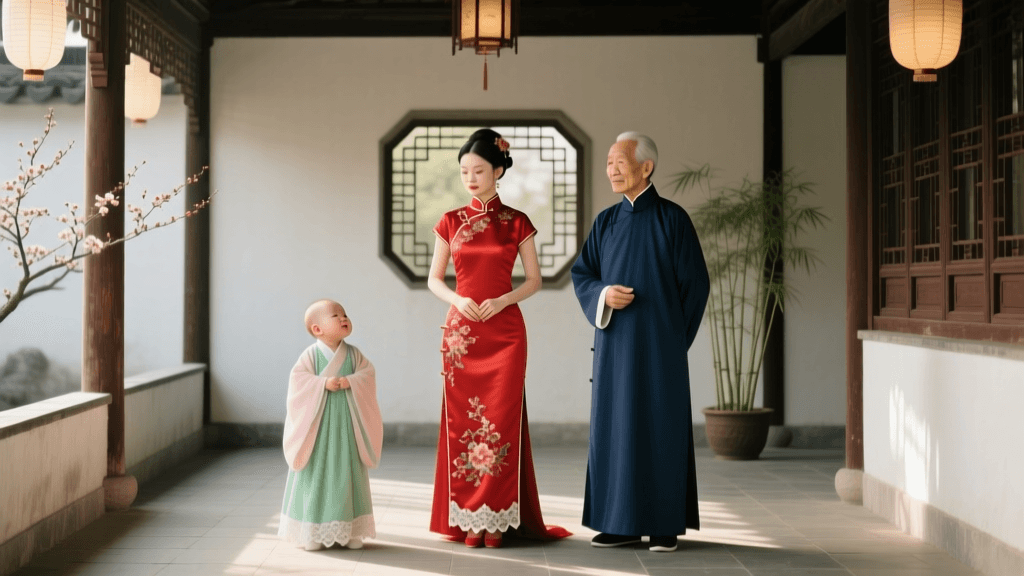
As we navigate through 2026, the cultural movement surrounding traditional Chinese clothing has evolved from a niche streetwear trend into a deeply embedded aspect of domestic and familial life. The 'Guochao' (national trend) movement has matured, leading families across the globe to reclaim their sartorial heritage for life's most significant milestones. According to cultural historians and textile experts, the modern adoption of Hanfu is no longer just about aesthetic appreciation; it is a profound reconnection with ancestral philosophies, ritual propriety (Li), and familial continuity.
Dressing in traditional garments for births, weddings, and ancestral rites requires a nuanced understanding of historical accuracy, fabric appropriateness, and ceremonial etiquette. In 2026, the market offers unprecedented access to museum-grade replicas and custom-tailored pieces, allowing families to honor their heritage with authenticity and respect. This comprehensive guide explores the specific Hanfu styles, fabrics, and etiquette required for the three major pillars of Chinese family ceremonies in the modern era.
Celebrating New Life: 100-Day and First Birthday Hanfu
In Chinese tradition, the birth of a child is marked by two major early milestones: the 'Bairi' (100-day celebration) and the 'Zhuazhou' (first birthday). Historically, infant mortality was high, making the 100th day a crucial threshold of survival and blessing. In 2026, parents are increasingly turning away from mass-produced Western baby clothes in favor of traditional 'Baoji' (treasure coats) and tiger-motif accessories that carry deep protective symbolism.
For the 100-day celebration, the infant is typically dressed in soft, unstructured garments. The 'Baoji' is a traditional wrap-style coat that avoids harsh seams and buttons, utilizing soft fabric ties instead. Modern parents in 2026 prioritize Class A infant-grade textiles, which guarantee the absence of formaldehyde and harsh chemical dyes. Organic cotton and bamboo-linen blends are the standard for the inner layers, ensuring the baby's sensitive skin is protected while maintaining the outward silhouette of a traditional 'Ruqun' or wrap coat.
The 'Zhuazhou' ceremony, where the child is presented with various objects to predict their future inclinations, calls for slightly more structured and vibrant attire. Infants and toddlers are often dressed in miniature versions of Ming Dynasty 'Aoqun' (jacket and skirt) or 'Kuzhe' (martial-style tunics for active toddlers). A vital accessory for both ceremonies is the 'Hutou Xie' (tiger-head shoe) and matching tiger-head hat. In Chinese folklore, the tiger is a fierce protector that wards off evil spirits. In 2026, artisanal cooperatives in regions like Shaanxi and Shanxi continue to hand-embroider these pieces using silk floss, making them highly sought-after heirloom gifts that bridge generational gaps.
The Modern Chinese Wedding: Bridal and Groom Hanfu
The landscape of Chinese weddings has shifted dramatically. While Western white gowns remain popular for the banquet, the traditional tea ceremony and morning gate games are now almost exclusively dominated by Hanfu. The undisputed pinnacle of Chinese bridal wear in 2026 is the Ming Dynasty 'Fengguan Xiapei' (Phoenix Crown and Cape) ensemble. As detailed in extensive studies of traditional Chinese wedding dress, this style represents the highest level of civilian ceremonial dress permitted during the Ming era, symbolizing nobility, prosperity, and cosmic harmony.
The bride's ensemble typically features a 'Da Ao' (large jacket) with a stand collar, fastened with gold or jade buttons, paired with a 'Mamianqun' (horse-face skirt). The 2026 market for Mamianqun is highly advanced, with top-tier brands utilizing traditional 'Zhi Jin' (woven gold) and 'Zhuanghua' (brocade) techniques. A high-quality, bespoke woven gold Mamianqun can take artisans up to three months to complete on traditional wooden looms, with prices in 2026 ranging from 15,000 to over 40,000 RMB. The skirt's motifs often include dragons, phoenixes, peonies, and bats, each carrying specific blessings for marital bliss and fertility.
The 'Fengguan' (phoenix crown) is an intricate headdress adorned with kingfisher feather art (Tian-tsui) or modern cruelty-free silk alternatives, alongside gold filigree and pearl drops. The 'Xiapei' is a heavy, embroidered stole draped over the shoulders, weighted with jade pendants to ensure it hangs perfectly still, enforcing a posture of grace and solemnity. For the groom, the standard ceremonial attire is the 'Yisan' (a robe with a falcon-collar and pleated lower skirt) or the 'Daopao' (a scholar's robe with side slits and inner pleats). Grooms typically wear a 'Wusha' or 'Jinshi' hat, completing a silhouette that projects scholarly refinement and martial readiness.
Honoring the Past: Hanfu for Ancestral Rites and Qingming
Ancestral worship, or 'Jisi', is the bedrock of Chinese familial piety. Whether visiting tombs during the Qingming Festival, participating in the Zhongyuan (Ghost) Festival, or holding private family shrine rituals, the etiquette of dress is governed by modesty, solemnity, and restraint. Unlike the vibrant reds and golds of weddings, ancestral rites demand muted, grounded colors that reflect humility before the ancestors and the natural world.
For these solemn occasions, the Song Dynasty 'Beizi' (an open-front, long-sleeved coat) is the most appropriate and historically accurate choice for 2026 practitioners. The Beizi is characterized by its straight, unstructured silhouette, parallel collars, and side slits that extend to the armpit. It is typically worn over a simple inner garment and a plain 'Baibu' (hundred-pleat skirt) or wide-leg trousers. The color palette is strictly regulated by etiquette: deep indigo, slate grey, charcoal, and unbleached hemp tones are preferred. Bright reds, purples, and excessive embroidery are considered deeply disrespectful in a mourning or veneration context.
Fabric choice plays a critical role in ancestral Hanfu. While weddings celebrate wealth through silk and gold, ancestral rites honor tradition through natural, unadorned fibers. Ramie, raw silk, and heavy linen are highly favored. The China National Silk Museum notes that historical mourning and ritual garments often utilized unrefined hemp and raw silk to signify the wearer's temporary withdrawal from worldly luxuries and vanity. In 2026, eco-conscious families are also embracing sustainably dyed indigo and plant-based mordants, aligning the ancient philosophy of harmony with nature with modern environmental ethics.
2026 Hanfu Ceremony Comparison Chart
To help families navigate the distinct requirements of each milestone, the following table outlines the core elements of ceremonial Hanfu as they stand in the 2026 market.
| Ceremony Type | Primary Garment Style | Color Palette | Key Accessories | 2026 Estimated Cost (RMB) |
|---|---|---|---|---|
| 100-Day Birth (Bairi) | Cotton Baoji (Treasure Coat) | Pastels, Soft Red, Cream | Tiger-head hat, silver longevity locks | 300 - 800 |
| First Birthday (Zhuazhou) | Miniature Aoqun or Kuzhe | Vibrant Reds, Bright Yellows | Embroidered tiger shoes, silk ribbons | 500 - 1,200 |
| Wedding (Bridal) | Ming Da Ao & Mamianqun | Crimson, Woven Gold, Emerald | Fengguan (Phoenix Crown), Xiapei cape | 8,000 - 45,000+ |
| Wedding (Groom) | Ming Yisan or Daopao | Deep Navy, Burgundy, Black | Scholar hat, jade belt, leather boots | 3,000 - 12,000 |
| Ancestral Rites (Qingming) | Song Dynasty Beizi & Baibu | Indigo, Slate, Unbleached Hemp | Simple wooden hairpins, plain cloth shoes | 600 - 2,500 |
Sourcing and Tailoring: The 2026 Market Guide
The Hanfu industry in 2026 is highly digitized and customized. The days of relying solely on generic, mass-produced sizing are over. Leading brands like Minghuatang and Shisanyu have integrated AI-driven 3D body scanning via WeChat mini-programs, allowing customers to input precise measurements for custom-tailored ceremonial wear. This is particularly crucial for wedding garments, where the structured collars of a Da Ao and the precise pleating of a Mamianqun require exact proportions to drape correctly.
When sourcing ceremonial Hanfu, buyers must be wary of 'costume-grade' garments that use cheap polyester brocades and machine-printed motifs. Authentic ceremonial wear relies on 'Ti Hua' (woven patterns) where the design is integrated into the fabric on the loom, rather than printed on top. For families planning a traditional wedding, it is recommended to begin the commissioning process at least six to eight months in advance, as master weavers and embroiderers often have extensive waitlists.
Care and preservation of these garments have also evolved. While traditional silk requires delicate hand-washing, 2026 textile innovations have introduced nano-coatings for ceremonial silks that repel stains without altering the fabric's drape or breathability. However, heavily structured pieces like the Fengguan and woven-gold skirts must still be professionally dry-cleaned and stored in breathable, acid-free garment bags to prevent the tarnishing of metallic threads.
Conclusion
The integration of Hanfu into birth, wedding, and ancestral ceremonies represents a profound cultural homecoming. By understanding the distinct historical, material, and ethical requirements of each milestone, families in 2026 can wear their heritage not merely as a costume, but as a living, breathing testament to their lineage. Whether wrapping a newborn in protective tiger motifs, exchanging vows in woven gold, or bowing to ancestors in humble ramie, the garments we choose anchor our modern lives to the enduring wisdom of the past.