Kimono Travel Essentials 2026: Packing Guide & Where to Wear
The Renaissance of Kimono Travel in 2026
As global tourism shifts toward sustainable, deeply immersive cultural experiences in 2026, the art of traveling with a kimono has evolved significantly. Enthusiasts and cultural historians are no longer relying solely on local rental shops; instead, they are curating personal wardrobes, bringing vintage silk garments, and investing in modern, travel-friendly textiles. Whether you are attending a formal tea ceremony in Kanazawa, participating in a summer matsuri in Tokyo, or simply enjoying a quiet morning stroll through Kyoto’s historic Higashiyama district, bringing your own kimono requires meticulous planning.
Traveling with traditional Japanese garments presents unique logistical challenges. Silk is delicate, the obi (sash) is bulky, and the myriad of small accessories can easily be left behind. Furthermore, navigating Japan’s updated 2026 tourism etiquette rules—particularly in heritage zones—requires a mindful approach to where and how you wear your garments. This comprehensive guide covers everything you need to pack, how to protect your textiles on the road, and the most breathtaking, culturally appropriate locations to showcase your kimono this year.
The Ultimate Kimono Packing Checklist
Packing a kimono is not as simple as folding a dress and placing it in a suitcase. Traditional garments are folded using a specific method called tato-shi, which aligns the seams to prevent permanent creasing. Below is the essential packing list for a complete kimono ensemble, optimized for a two-week cultural tour.
| Item | Japanese Term | Packing Method & Tips | Est. Weight |
|---|---|---|---|
| Main Garment | Kimono | Fold using tato-shi. Wrap in acid-free tissue paper to absorb moisture. | 800g - 1.2kg |
| Undergarment | Nagajuban | Fold similarly to the kimono. Ensure the haneri (collar) is detached if washable. | 400g |
| Sash | Obi | Roll tightly from one end to the other to preserve the brocade threads. | 500g - 800g |
| Obi Scarf | Obiage | Roll loosely and tuck inside the hollow center of the rolled obi to save space. | 100g |
| Obi Cord | Obijime | Coil into a small circle and secure with a twist tie; place in a ziplock bag. | 50g |
| Binding Ties | Koshihimo / Datejime | Bundle together and roll. You will need at least 3-4 koshihimo and 1-2 datejime. | 200g |
| Split-Toe Socks | Tabi | Keep in a dedicated shoe bag to prevent dirt transfer to silk garments. | 100g |
| Sandals | Zori / Geta | Stuff the toe thong area with soft paper to maintain shape; pack in a hard shoe case. | 400g |
| Collar Stiffener | Eri-shin | Slide into a cardboard tube or a dedicated plastic sleeve to prevent snapping. | 30g |
Modern Travel Gear for Traditional Garments
To protect your investment, you must utilize specialized travel gear. In 2026, the market offers excellent solutions for textile preservation on the move. First, invest in a breathable, water-resistant garment bag. Look for bags made from canvas or specialized Tyvek materials, which allow silk to breathe while protecting it from hotel closet dust and transit moisture. Avoid plastic dry-cleaning bags, as they trap humidity and can cause yellowing or mildew on vintage silk.
Wrinkles are inevitable when traveling. A high-quality, dual-voltage portable garment steamer is an absolute necessity. The latest compact steamers heat up in under 30 seconds and provide a continuous, gentle mist that relaxes silk fibers without the risk of scorching associated with traditional irons. Never use a hotel iron directly on a kimono; the direct heat and pressure can flatten the delicate woven textures of a shibori or tsuzure weave. Additionally, pack a small bottle of specialized textile refresher spray designed for natural fibers to eliminate odors after a long day of sightseeing.
Where to Wear Your Kimono in 2026
Choosing the right location to wear your kimono is just as important as how you pack it. Japan’s cultural landscapes are carefully managed, and understanding the local etiquette ensures a respectful and photogenic experience.
Kyoto: Navigating the New Cultural Zones
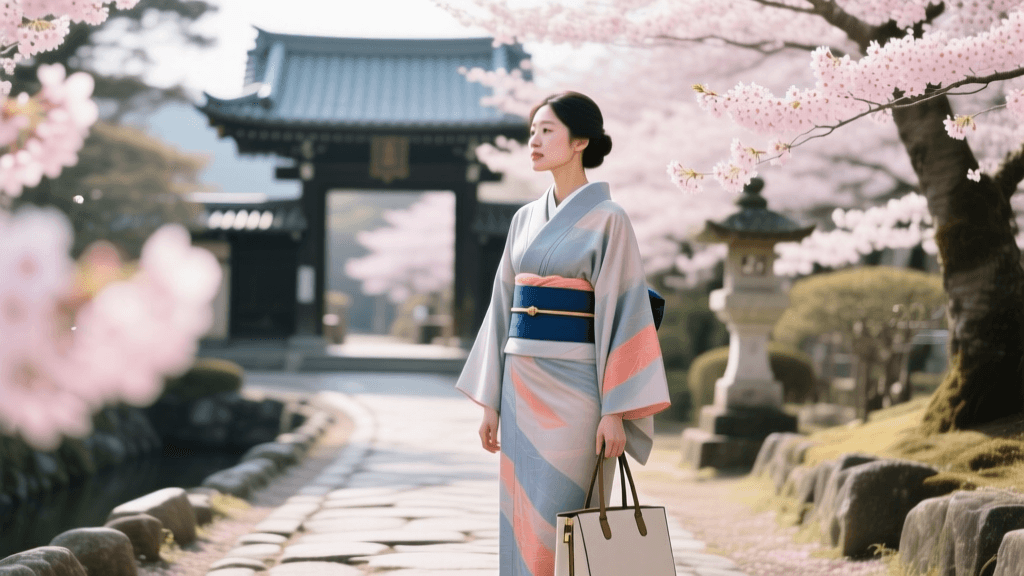
Kyoto remains the undisputed heart of kimono culture. However, travelers in 2026 must be aware of the city’s strict updated etiquette rules, particularly in the Gion district. To protect the privacy of local residents and geiko (geisha), several private streets in Gion have restricted photography and discouraged casual tourist foot traffic. Instead, plan your kimono outings for the Higashiyama preservation district. Arriving at Kiyomizu-dera or the Yasaka Pagoda at dawn (around 6:30 AM) allows you to capture stunning photographs without the midday crowds. For a more serene experience, the moss gardens of Saiho-ji or the bamboo-lined paths of Arashiyama offer breathtaking backdrops. According to the Kyoto City Official Travel Guide, respecting designated walking paths and avoiding obstructing narrow streets is paramount when wearing voluminous garments.
Kanazawa: The Samurai and Geisha Districts
Often called "Little Kyoto," Kanazawa is a premier destination for kimono enthusiasts seeking a less congested environment. The Higashi Chaya district, with its beautifully preserved wooden teahouses, is perfect for a formal homongi or tsukesage kimono. In 2026, Kanazawa has expanded its cultural workshop offerings, allowing visitors to wear their kimono while participating in gold-leaf application or traditional tea ceremonies. The Kenroku-en garden is another spectacular location, especially during the winter yukitsuri (snow protectors) season or the vibrant autumn foliage.
Tokyo: Blending Tradition with Modernity
Tokyo offers a fascinating juxtaposition of Edo-period history and hyper-modern architecture. For a classic aesthetic, the Yanaka district and Nezu Shrine provide a nostalgic, shitamachi (downtown) atmosphere that pairs beautifully with casual komon or tsumugi (pongee) kimono. Alternatively, for a striking editorial contrast, wear a bold, modern-patterned kimono through the minimalist concrete spaces of Omotesando or the neon-lit streets of Shibuya at dusk. The Japan National Tourism Organization frequently highlights Tokyo’s diverse neighborhoods as ideal canvases for traditional fashion.
Choosing the Right Fabric for the Season
Japan’s distinct seasons dictate not only the motifs on your kimono but also the fabric weight and weave. Packing the wrong textile can lead to severe discomfort.
- Awase (Lined Kimono): Worn from October through May. These feature a silk lining and are essential for the crisp autumn and chilly spring mornings.
- Hitoe (Unlined Kimono): Reserved for the transitional months of June and September. The single layer of silk provides breathability as the humidity begins to rise or fall.
- Ro and Sha (Sheer Summer Weaves): Worn exclusively in July and August. These lightweight, porous fabrics allow air to circulate, which is vital during Japan’s intense, humid summers.
For travelers who want a versatile, low-maintenance option, modern washable polyester silks or high-grade rayon blends have become incredibly sophisticated by 2026. These textiles mimic the drape and luster of silk but can be gently hand-washed in a hotel sink and hung to dry overnight, eliminating the need for professional cleaning while on the road.
Kimono Care and Transit Etiquette
Wearing a kimono while navigating Japan’s public transportation requires specific techniques. When riding the Shinkansen or local trains, gather your hem slightly and sit shallowly on the seat to avoid crushing the obi knot against the backrest. When boarding Kyoto’s city buses, which can be quite crowded, use your left hand to gently hold the front hem of your kimono together to prevent it from swinging open or brushing against dirty surfaces.
At the end of the day, proper care is essential. Never fold a kimono immediately after wearing it. Hang it on a wide, specialized kimono hanger (emonkake) in a well-ventilated room for at least 12 hours to allow body moisture and odors to dissipate. Inspect the hem and collar for any spots; if you find a stain on silk, do not rub it with water, as this will cause water rings. Instead, take it to a local sodaiya (kimono cleaner) or use a specialized dry-cleaning pen designed for delicate textiles. For deeper historical context on textile preservation, the Kyoto National Museum offers extensive resources on the conservation of historical Japanese garments, emphasizing the importance of climate control and gentle handling.
Conclusion
Traveling with a kimono in 2026 is a rewarding endeavor that bridges the gap between being a passive tourist and an active participant in Japan’s living cultural heritage. By packing methodically, utilizing modern garment care technology, and respecting the nuanced etiquette of Japan’s historic districts, you ensure that your traditional garments remain pristine. Whether you are sipping matcha in a Kanazawa teahouse or walking the ancient stone-paved streets of Kyoto, your carefully curated kimono will transform your journey into an unforgettable, elegant adventure.