Chinese Plant Dyes for Hanfu: Eco-Friendly Guide 2026
The Renaissance of Cao Mu Ran in 2026
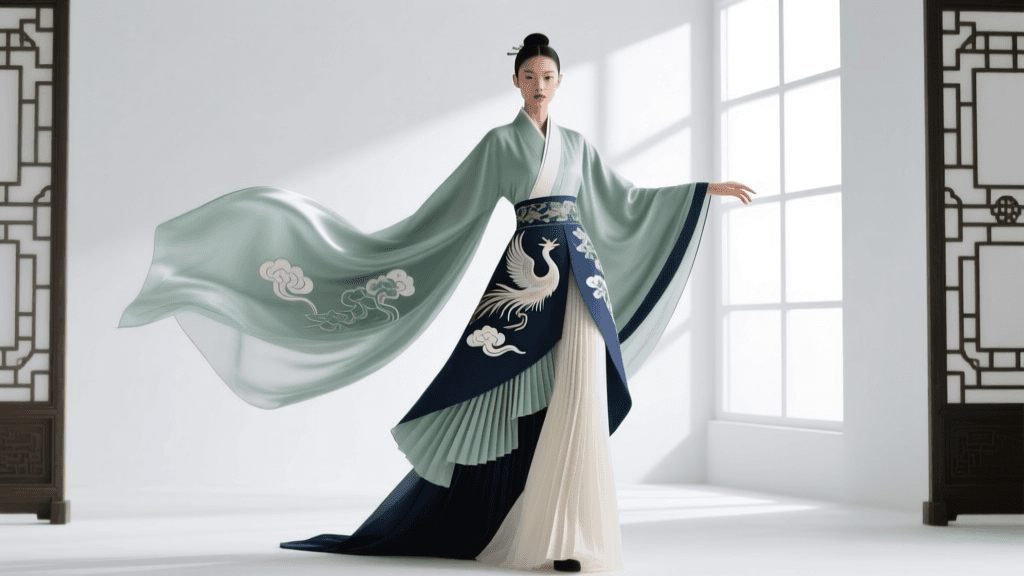
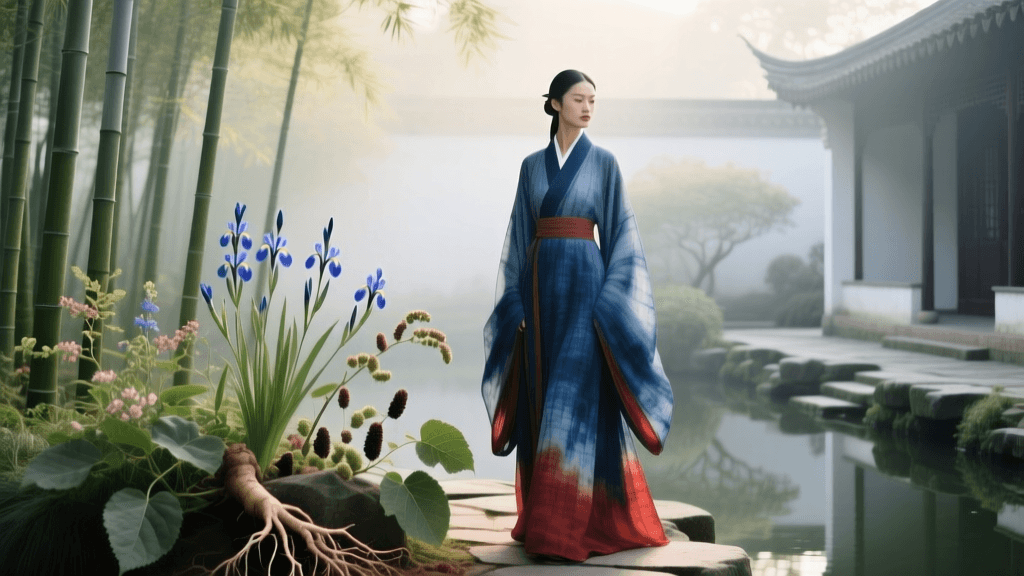
The year 2026 marks a pivotal moment in the global Hanfu movement, where historical authenticity seamlessly intersects with modern ecological consciousness. As the fashion industry faces stricter environmental regulations and consumers demand greater transparency, the ancient Chinese art of Cao Mu Ran (草木染), or plant dyeing, has experienced a massive renaissance. No longer just a historical footnote, botanical dyeing is now at the forefront of sustainable textile production for traditional garments. According to a comprehensive analysis by the United Nations Environment Programme (UNEP), transitioning to botanical and natural dyes is one of the most effective ways to reduce the toxic water effluent associated with the global textile supply chain.
For Hanfu enthusiasts and sustainable fashion designers alike, utilizing traditional Chinese dye plants offers a dual benefit: it preserves intangible cultural heritage while drastically reducing the carbon and water footprint of garment creation. In this comprehensive guide, we explore the most vital Chinese botanical dyes, the precise methodology for eco-friendly application, and the sustainability metrics that make Cao Mu Ran an essential practice in 2026.
Top 4 Traditional Chinese Dye Plants for Sustainable Hanfu
Traditional Chinese dyeing relies on a profound understanding of local flora, seasonal harvesting, and natural chemistry. Below are the four most prominent plants used in 2026 for creating vibrant, colorfast Hanfu textiles.
1. Ban Lan Gen (Polygonum tinctorium) - The Indigo Blue
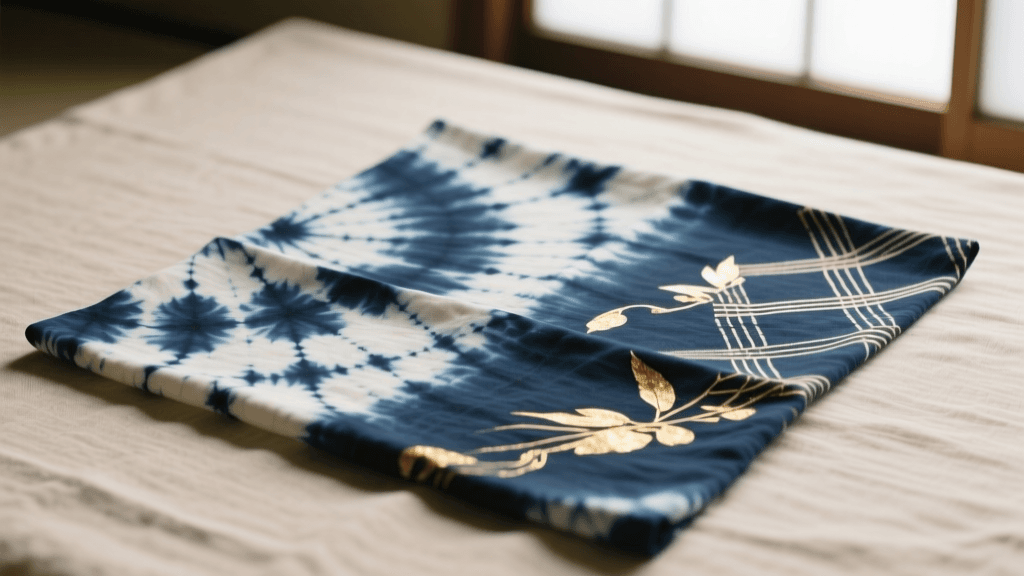
While indigo is used globally, the Chinese variety derived from Polygonum tinctorium (Ban Lan Gen) is unique in its extraction process and resulting hue. Unlike synthetic indigo, which relies on petrochemicals and heavy reducing agents, traditional Chinese indigo is fermented using rice wine and wood ash lye. The resulting blue ranges from pale sky blue to deep navy. In 2026, organic indigo farms in Guizhou and Yunnan provinces have scaled up their regenerative agriculture practices, providing a steady supply of chemical-free indigo paste for artisanal Hanfu makers.
2. Qian Cao (Rubia cordifolia) - The Madder Red
Rubia cordifolia, known in traditional Chinese medicine as Qian Cao, yields a spectrum of warm reds, terracottas, and soft pinks. The roots of the madder plant contain alizarin, a powerful natural pigment. When paired with an alum mordant, it produces a brilliant, colorfast crimson that is highly prized for Ming Dynasty-style Hanfu skirts and jackets. Research indexed on ScienceDirect confirms that natural dyes like madder possess inherent antimicrobial and UV-protective properties, adding functional value to the garments they color.
3. Huang Bo (Phellodendron amurense) - The Amur Yellow
The bark of the Amur Cork Tree (Phellodendron amurense) has been used for centuries to dye silk and hemp a vibrant, luminous yellow. Huang Bo contains berberine, a compound that not only provides a rich golden hue but also acts as a natural insect repellent. This made it historically ideal for preserving important documents and summer garments. Today, sustainable forestry initiatives ensure that Huang Bo bark is harvested without harming the tree, making it a highly renewable resource for 2026 eco-dyers.
4. Lian Ou (Nelumbo nucifera) - The Lotus Earth Tones
Every part of the lotus plant is utilized in Chinese culture, and its roots and seed pods are exceptional for dyeing. Lian Ou produces sophisticated earth tones, including warm taupes, soft greys, and deep olive greens. These muted, natural shades are incredibly popular in modern Song Dynasty-inspired Hanfu, which favors understated elegance over bright colors. The leftover lotus biomass from the dye bath is fully compostable, returning vital nutrients to the soil.
Step-by-Step Eco-Friendly Dyeing Process
Achieving professional, colorfast results with natural dyes requires patience and precise temperature control. Here is the standard 2026 protocol for dyeing silk and hemp Hanfu fabrics.
- Step 1: Scouring the Fabric. Natural fibers contain oils, waxes, and impurities that repel water-based dyes. Wash the raw Hanfu silk or hemp in a neutral pH eco-detergent at 60°C for 45 minutes. Rinse thoroughly until the water runs clear.
- Step 2: Mordanting. Mordants act as a chemical bridge between the fiber and the dye. For 2026 eco-friendly practices, avoid heavy metals like chrome or tin. Instead, use food-grade aluminum sulfate (alum) at 15% weight of fabric (WOF), or utilize a soy milk binder for protein fibers like silk. Soak the fabric in the mordant bath for 12 hours.
- Step 3: Extraction. Simmer your chosen plant material (e.g., dried madder roots or Huang Bo bark) in distilled water at 80°C for two hours. Strain the liquid through a fine mesh cloth. Repeat the extraction process a second time and combine the liquids for maximum pigment concentration.
- Step 4: The Dye Bath. Submerge the mordanted, damp fabric into the dye extract. Maintain a steady temperature of 70°C for 60 minutes, stirring gently with a wooden dowel to ensure even color distribution. Allow the fabric to cool in the bath overnight.
- Step 5: Oxidation and Curing. Remove the fabric and gently squeeze out excess dye. Hang it in a well-ventilated, shaded area. Indigo requires immediate oxidation in the air to turn from yellow-green to blue. For other plant dyes, allow the garment to cure for 48 hours before the first gentle cold-water wash.
Sustainability Metrics: Natural vs. Synthetic Dyes in 2026
The environmental argument for Cao Mu Ran is backed by hard data. As water scarcity and microplastic pollution remain critical global issues in 2026, the shift toward botanical dyes is a measurable step toward circular fashion. The Food and Agriculture Organization (FAO) highlights that non-wood forest products, including dye plants, support rural economies while maintaining biodiversity and forest health.
| Sustainability Metric | Traditional Chinese Plant Dyes | Conventional Synthetic Dyes |
|---|---|---|
| Water Effluent Toxicity | Non-toxic, 100% biodegradable, safe for soil irrigation | High toxicity, contains heavy metals and formaldehyde |
| Carbon Footprint (per kg) | Low (regenerative local sourcing, minimal processing) | High (petrochemical extraction, energy-intensive synthesis) |
| Skin Sensitivity | Hypoallergenic, natural antibacterial properties | High risk of contact dermatitis and allergic reactions |
| End-of-Life Impact | Fully compostable, no micro-toxin shedding | Sheds toxic microfibers into aquatic ecosystems |
| 2026 Average Cost | $18 - $35 per kg of dyed fabric (artisanal premium) | $4 - $8 per kg of dyed fabric (mass production) |
Sourcing, Costs, and Best Practices for 2026
As the demand for sustainable Hanfu has surged, the supply chain for authentic Chinese dye plants has matured. In 2026, artisanal dyers can source high-quality, organically certified raw materials directly from cooperatives in Southern China via specialized global textile platforms. A kilogram of premium, sun-dried Rubia cordifolia (madder) root currently retails for approximately $45 USD, which is enough to deeply dye roughly 2 to 3 kilograms of silk fabric. Pre-reduced, organic indigo paste from Guizhou averages $60 USD per kilogram.
For those new to Cao Mu Ran, it is highly recommended to start with Huang Bo (Amur Cork Tree) or onion skins, as they are substantive dyes that do not strictly require a mordant, making the initial learning curve much less intimidating. Always keep a detailed 'dye journal' noting the WOF (weight of fabric), water pH, temperature, and steeping times, as natural botanical dyes are highly sensitive to environmental variables.
Conclusion
The revival of traditional Chinese plant dyeing is much more than a nostalgic trend; it is a vital component of the 2026 sustainable fashion ecosystem. By choosing to dye Hanfu with Ban Lan Gen, Qian Cao, Huang Bo, and Lian Ou, makers and consumers alike participate in a cycle of ecological respect and cultural preservation. As we continue to navigate the environmental challenges of the modern textile industry, the ancient wisdom of Cao Mu Ran provides a beautifully vibrant, ecologically sound path forward.