Kimono Travel Essentials 2026: What to Pack and Where to Wear Them
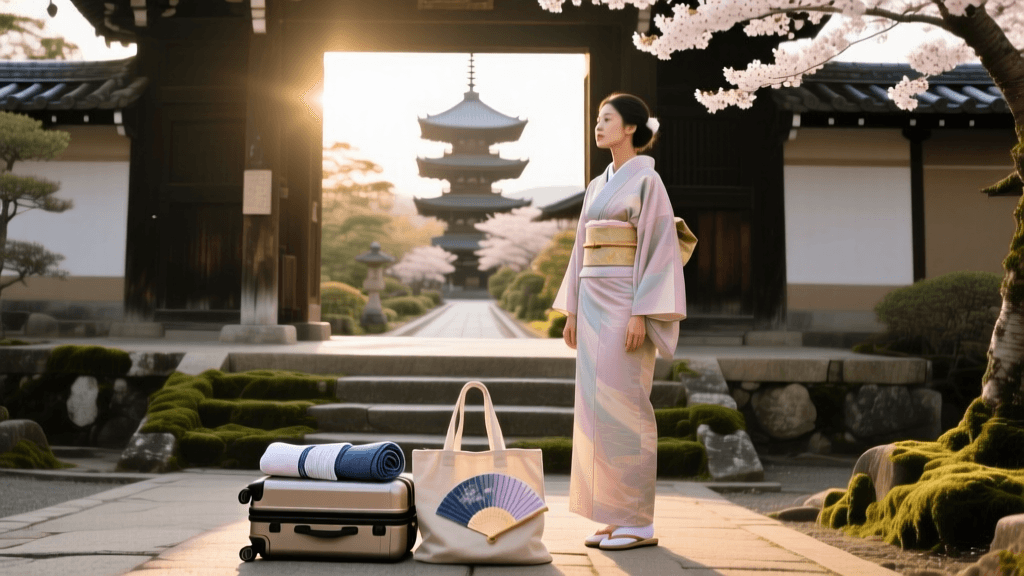
The Evolution of Kimono Travel in 2026
As global tourism embraces the 'slow travel' movement in 2026, visitors to Japan are increasingly seeking immersive, culturally respectful experiences over rushed sightseeing. At the heart of this movement is the decision to travel with and wear traditional Japanese garments. While renting a kimono on-site remains popular, a growing demographic of textile enthusiasts, cultural practitioners, and repeat visitors are choosing to pack their own kimono wardrobes. This allows for deeper personal expression, guaranteed quality, and the ability to explore off-the-beaten-path locations where rental shops are scarce.
However, traveling with a kimono requires meticulous planning. The traditional garment is composed of multiple layers, delicate fabrics, and specialized accessories that do not easily conform to modern carry-on luggage restrictions. Furthermore, navigating Japan's bustling transit hubs and varying regional climates while wearing a restrictive garment demands both the right gear and the right itinerary. According to the Japan National Tourism Organization, secondary cities and rural heritage towns have seen a massive surge in 2026 as travelers seek authentic, uncrowded backdrops for their traditional attire.
This comprehensive guide outlines exactly what to pack, how to leverage 2026 textile innovations, and the best destinations to gracefully wear your kimono this year.
The Ultimate 2026 Kimono Packing Checklist
Packing a kimono is not as simple as folding a dress. The silhouette relies entirely on the undergarments and ties. If you are bringing your own garments, you must pack the complete ecosystem. Below is the essential checklist for the modern traveler, updated with the latest travel-friendly accessories available in 2026.
| Item | Function | 2026 Travel Recommendation |
|---|---|---|
| Kimono (Tsume-eri) | The main outer garment. | Pack wrinkle-resistant polyester chirimen or washable silk blends for easy hotel care. |
| Juban (Under-kimono) | Protects the outer kimono from sweat and oils. | Opt for a modern two-piece (hadajuban and naga-juban) made of cooling tech-mesh. |
| Koshihimo (Ties) | Secures the kimono and juban at the waist. | Silicone or elastic koshihimo are essential; they prevent slipping during long travel days. |
| Date-jime | Wide tie to flatten the waist and secure the chest. | Velcro-fastening date-jime save time and eliminate bulky knots under the obi. |
| Obi (Sash) | Provides structure and decorative focal point. | Hanhaba (half-width) obi are best for travel; they require no pillows or stiffeners. |
| Obi-ita | Board inserted to keep the obi smooth. | Foldable, flexible resin obi-ita fit easily into carry-on luggage. |
| Tabi & Zori | Split-toe socks and traditional sandals. | Pack spare tabi; bring zori with modern ergonomic EVA foam soles for cobblestone streets. |
| Kinchaku | Drawstring bag for personal items. | Choose one with an interior zipper pocket to securely hold your smartphone and transit card. |
Fabric Innovations and Packing Techniques
The traditional silk kimono is a masterpiece, but it is a nightmare for travel. Silk wrinkles if looked at incorrectly and water-spots easily. Fortunately, the Japanese textile industry has made massive strides by 2026. Modern high-grade polyester weaves now perfectly mimic the texture, drape, and even the acoustic 'rustle' of premium silk, while being entirely machine-washable and wrinkle-resistant. When packing these garments, the rolling method is vastly superior to folding.
To pack a kimono without creating hard creases, lay the garment flat, fold the sleeves back according to the traditional tatou method, and then loosely roll the entire length from the hem to the collar. Place the rolled kimono inside a silk or cotton wrapping cloth (furoshiki) to protect it from friction inside your suitcase. Upon arrival at your accommodation, simply unroll the garment and hang it on a specialized kimono hanger (emonkake) in a steamy bathroom for twenty minutes; the ambient moisture will release any minor transit wrinkles.
Where to Wear Your Kimono in 2026
While Kyoto remains the spiritual home of the kimono, the sheer volume of tourists in areas like Gion and Kiyomizu-dera can make wearing a delicate garment stressful. In 2026, the most rewarding kimono experiences are found in secondary heritage cities and specific Kyoto micro-neighborhoods that prioritize pedestrian flow and historical preservation.
1. Kanazawa: The 'Little Kyoto' Without the Crowds
Kanazawa has emerged as the premier destination for kimono enthusiasts. The Higashi Chaya District offers immaculately preserved wooden teahouses, cobblestone alleys, and gold-leaf artisan workshops. Because Kanazawa is slightly off the primary Golden Route, the streets are spacious, allowing for the wide, sweeping photography that a beautiful kimono demands. Furthermore, the city's flat topography is incredibly forgiving on the feet, even when wearing traditional zori.
2. Kurashiki: The Bikan Historical Quarter
Located in Okayama Prefecture, Kurashiki's Bikan Historical Quarter features weeping willows draped over serene canals and white-walled merchant storehouses. It is a stunning, quiet backdrop that contrasts beautifully with vibrant kimono textiles. The local tourism board actively encourages traditional dress, and many local cafes offer discounts to patrons wearing kimono or yukata.
3. Kyoto: Daigo-ji and the Eastern Mountains
If you must visit Kyoto, bypass the congested center. The Official Kyoto Travel Guide heavily promotes the eastern mountain trails and southern wards for 2026. Daigo-ji temple, with its sprawling, moss-covered grounds and ancient pagodas, provides a mystical, deeply traditional atmosphere. Arriving early in the morning allows for uninterrupted appreciation of the architecture and your attire.
Weather Adaptations for the Traveling Wearer
Japan's climate is notoriously humid in the summer and bitingly cold in the winter. Adapting your kimono wardrobe to the weather is crucial for both comfort and health.
- Summer (June - August): Transition to a yukata (unlined cotton) or a ro (sheer silk) kimono. In 2026, specialized cooling mesh hadajuban (undergarments) infused with contact-cooling fibers are widely available and essential for preventing heat exhaustion. Skip the obi-ita board to allow for better airflow around the torso.
- Autumn/Spring (March - May, Sept - Nov): This is the ideal kimono weather. A standard lined kimono (awase) is perfect. Bring a lightweight haori (jacket) for early morning temple visits when the air is crisp.
- Winter (Dec - Feb): Layering is key. Wear modern thermal leggings beneath your susoyoke (underskirt). A heavy, wool-blend haori and a plush woolen shawl draped elegantly over the shoulders will provide necessary insulation without ruining the traditional silhouette.
Navigating Transit and Etiquette
Wearing a kimono fundamentally changes how you interact with your environment. The garment restricts your stride, requiring the traditional suriashi (sliding walk), which naturally slows your pace. This aligns perfectly with the 2026 slow-travel ethos, forcing you to observe your surroundings with greater mindfulness.
When utilizing Japan's world-class public transit, specific etiquette applies. On the Shinkansen (bullet train) or local subways, never lean your back heavily against the seat, as this will crush the delicate taiko musubi (drum knot) of your obi. Instead, sit shallowly on the edge of the seat, keeping your back straight. If you are traveling with a large suitcase, do not attempt to drag it through the streets while in full kimono attire; the physical strain and risk of snagging the fabric are too high.
'The kimono is not merely clothing; it is a physical practice of grace, patience, and respect for the spaces you enter. To rush in a kimono is to misunderstand its very purpose.' — 2026 Cultural Heritage Symposium, Kyoto.
Instead, utilize Japan's highly efficient Takuhaibin (luggage forwarding) services. Yamato Transport's updated 2026 logistics network allows you to send your heavy suitcases directly from your arrival airport to your next hotel, allowing you to travel to your destination in comfortable modern clothing, check into your room, and dress in your kimono at your leisure.
Final Thoughts on Kimono Travel
Traveling with a kimono in 2026 is a deeply rewarding endeavor that bridges the gap between being a passive tourist and an active participant in Japanese culture. By packing smart, utilizing modern textile innovations, and choosing destinations that honor the tranquility required to appreciate traditional garments, you ensure a journey that is as beautiful as it is memorable. Whether you are sipping matcha in a Kanazawa teahouse or walking the quiet, mossy paths of a Kyoto temple, your carefully packed kimono will transform your travel experience into a living work of art.