Kimono Travel Essentials 2026: Packing Guide & Where to Wear
The Resurgence of the Independent Kimono Traveler in 2026
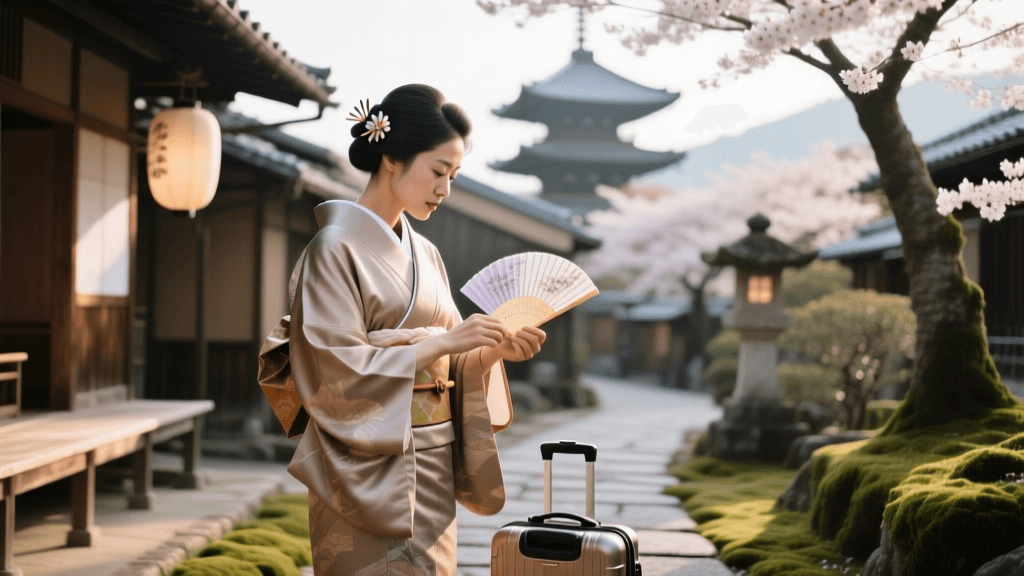
As global tourism to Japan continues to evolve in 2026, a growing number of international visitors, cultural enthusiasts, and diaspora travelers are choosing to pack their own kimono and yukata rather than relying solely on local rental shops. While renting remains a convenient option for a quick photo opportunity, bringing your own traditional garments offers unparalleled authenticity, superior fabric quality, and a customized fit that standard rental fleets simply cannot match. Furthermore, with the implementation of new overtourism management strategies in major cultural hubs this year, knowing exactly where and how to wear your kimono respectfully is more important than ever. This comprehensive guide covers everything you need to know about packing, transporting, and wearing your kimono during your 2026 Japanese adventure.
The Ultimate 2026 Kimono Packing Checklist
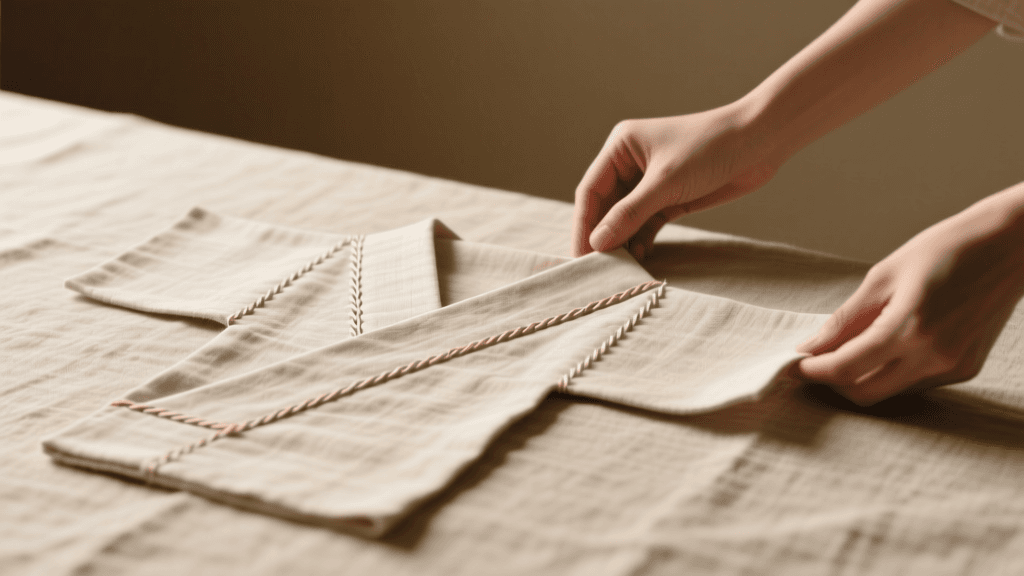
Packing a kimono requires much more than simply folding the main garment into your suitcase. The traditional kitsuke (dressing) system relies on a specific combination of undergarments, ties, and boards to achieve the correct silhouette. To save space and prevent damage, modern travelers in 2026 are utilizing specialized compression cubes and silicone accessories. Below is the essential packing list for a complete kimono outfit.
| Item | Purpose | 2026 Packing Tip |
|---|---|---|
| Kimono or Yukata | The main outer garment | Roll loosely around a cardboard tube to prevent hard creases and save luggage space. |
| Nagajuban / Juban | Undergarment to protect the silk from sweat | Pack a washable, synthetic travel juban with a removable han-eri (collar). |
| Koshihimo (3-4) | Thin ties to secure the garment | Use modern silicone koshihimo; they grip better, are lightweight, and eliminate the need for bulky cotton ties. |
| Datejime (2) | Wide belts to flatten the under-layers | Opt for stretchy, velcro-closure travel datejime to reduce packing volume. |
| Obi | The decorative outer sash | A hanhaba obi (half-width) is best for casual travel; it requires no extra padding and folds compactly. |
| Obi-ita | Board to keep the obi flat and smooth | Bring a flexible, mesh obi-ita that can be bent to fit inside a carry-on bag. |
| Tabi | Split-toe socks | Pack two pairs of stretch-toe travel tabi, which are more forgiving on the feet during long walking days. |
| Zori or Geta | Traditional footwear | Bring lightweight EVA-foam zori with ergonomic 2026 footbeds for all-day comfort on cobblestone streets. |
Modern Travel Hacks for Kimono Wearers
Traveling with delicate textiles can be stressful, but modern logistics and garment care technology have made it significantly easier. One of the most highly recommended strategies for 2026 is utilizing Japan's world-class luggage forwarding services, known as Takuhaibin. According to Yamato Transport, you can ship your heavy suitcase containing your kimono accessories directly from the airport arrivals hall to your hotel or ryokan. This allows you to navigate the crowded train systems unencumbered, keeping your delicate garments safe from transit crush and accidental spills.
For garment care, skip the traditional heavy iron. Instead, pack a travel-sized bottle of wrinkle-release spray and a portable handheld steamer. Many modern Japanese hotels now provide high-quality garment steamers in their closets, but having a dual-voltage travel steamer ensures you can quickly refresh your silk or cotton garments the morning of your outing. Additionally, storing your obi and ties in dedicated, rigid cylindrical cases will prevent them from becoming crushed at the bottom of your luggage.
Where to Wear Your Kimono in 2026 (and Where Not To)
Choosing the right location for your kimono stroll is crucial for both your enjoyment and local cultural respect. The Japan National Tourism Organization (JNTO) frequently updates guidelines regarding tourist etiquette, and 2026 has seen strict enforcement of photography and dress codes in certain sensitive areas.
Kyoto: Navigating the New Etiquette
Kyoto remains the spiritual home of the kimono, but overtourism has led to significant changes. In the historic Gion district, strict bans on tourist photography in private alleys and geisha-only zones are heavily enforced in 2026. Furthermore, local authorities have requested that tourists avoid wearing rented or personal kimono in certain cramped, residential preservation streets where large obis and trailing sleeves cause pedestrian bottlenecks. Instead, head to the expansive grounds of Kiyomizu-dera, the Philosopher's Path, or the Arashiyama bamboo grove early in the morning. These areas offer wide pathways, stunning backdrops, and a much more relaxed atmosphere for traditional dress.
Kanazawa: The Perfect Alternative
If you want the historic atmosphere of Kyoto without the intense crowds, Kanazawa is the premier destination for kimono wearers in 2026. The Higashi Chaya District is beautifully preserved, featuring wide, pedestrian-friendly streets lined with wooden teahouses. Local businesses here actively encourage kimono wearing, offering tea ceremony experiences and gold-leaf crafting workshops specifically tailored to visitors in traditional attire. The Kyoto City Official Travel Guide and regional tourism boards both note that secondary cultural hubs like Kanazawa provide a much more intimate and authentic interaction with local artisans.
Kawagoe and Tokyo's Shitamachi
For those basing themselves in Tokyo, a day trip to Kawagoe (known as 'Little Edo') offers fantastic warehouse-district backdrops perfect for a bold, Edo-style kimono. Within Tokyo proper, the Yanaka Ginza neighborhood and the lush gardens of Rikugien provide serene, historically resonant environments where locals and tourists alike appreciate the sight of traditional garments.
Seasonal Considerations for 2026 Travelers
Japan's distinct seasons dictate the type of kimono you should pack. Wearing the wrong fabric weight is not just uncomfortable; it is considered a faux pas in traditional kitsuke.
- Spring (March - May): Pack an awase (lined) kimono. The weather can be unpredictable, so a lightweight haori (jacket) is essential for chilly mornings spent viewing cherry blossoms.
- Summer (June - August): The humidity is intense. Pack a breathable cotton yukata or a ro/sha (sheer silk) kimono. Invest in modern cooling innerwear and bring a folding fan (sensu) as both a practical tool and a stylish accessory.
- Autumn (September - November): Transition back to awase kimono with rich, seasonal motifs like maple leaves. A heavier brocade obi will complement the crisp autumn air.
- Winter (December - February): Wool kimono are highly recommended for travel. They are warm, naturally wrinkle-resistant, and completely acceptable for casual street wear. Pack a traditional shawl and adhesive toe-warmers for your tabi.
Renting vs. Packing: A 2026 Cost & Convenience Analysis
Should you lug your own silk across the ocean, or just rent upon arrival? The table below breaks down the pros and cons for the modern traveler.
| Factor | Packing Your Own Kimono | Renting in Japan (2026) |
|---|---|---|
| Cost | High initial investment, but zero daily rental fees. | Approx. 5,000 - 10,000 JPY per day, plus insurance and accessory fees. |
| Time | Requires 45+ minutes to dress yourself or hire a local dresser. | Shops dress you in 20 minutes; strict return times (usually 5:00 PM). |
| Authenticity & Fit | Tailored to your exact measurements; high-quality vintage or modern silk. | Often polyester blends; standard sizing may not fit taller or broader international visitors comfortably. |
| Freedom | Wear it to dinner, night walks, or multiple days without penalties. | Confined to daytime shop hours; late fees apply if you miss the return window. |
Essential Kimono Etiquette to Remember
Wearing a kimono is a privilege and a beautiful way to engage with Japanese culture. Always ensure your collar is crossed left over right (right over left is strictly reserved for dressing the deceased). When walking, keep your knees close together and take small, deliberate steps to maintain the tubular silhouette of the garment. If you are entering a traditional ryokan or tea house, be prepared to remove your zori at the genkan (entryway) and walk in your tabi socks. Finally, when sitting on tatami mats, practice the seiza (kneeling) position, and ensure your sleeves are neatly draped over your lap to avoid wrinkling or dragging them across the floor.
Conclusion
Bringing your own kimono to Japan in 2026 is a deeply rewarding endeavor that transforms a standard vacation into an immersive cultural experience. By packing smart, utilizing modern travel logistics like luggage forwarding, and respecting local etiquette and spatial boundaries, you can enjoy the timeless elegance of traditional Japanese garments while navigating the modern world with ease and grace. Whether you are strolling through the cedar forests of Arashiyama or sipping matcha in a Kanazawa teahouse, your carefully packed kimono will serve as a beautiful bridge between your world and Japan's rich heritage.