Kimono Travel Essentials 2026: Packing List & Best Spots
Introduction to Kimono Travel in 2026
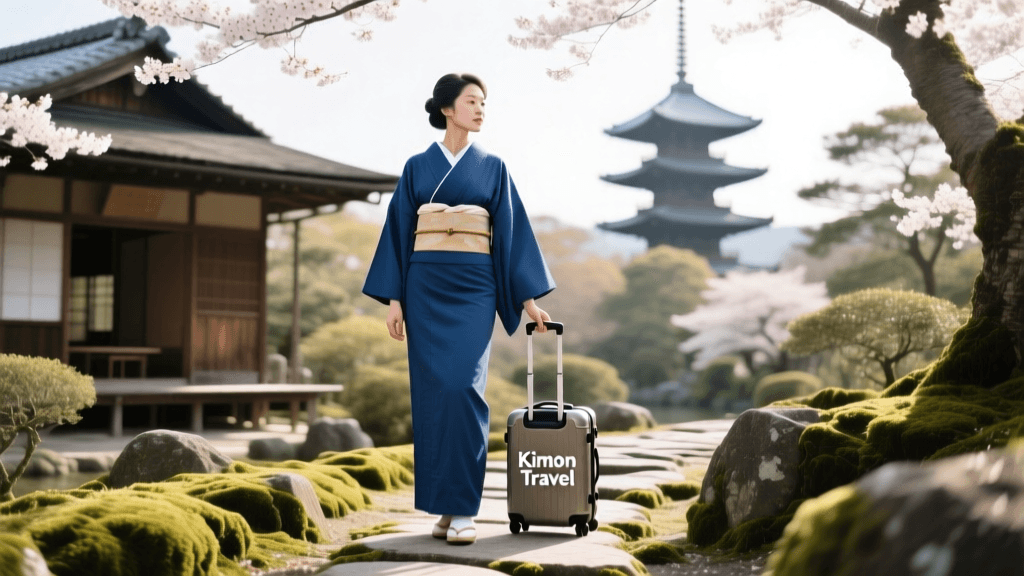
Traveling to Japan with the intention of wearing a kimono is a profound way to engage with the country's living heritage. As we navigate the travel landscape of 2026, the focus has shifted heavily toward sustainable, slow travel and deep cultural immersion. Whether you are a textile enthusiast bringing your own vintage silk garments or a first-time visitor planning to utilize local rental services, understanding what to pack and where to wear your kimono is essential. The days of treating traditional Japanese clothing merely as a quick photo-op are fading; today's travelers are expected to understand the nuances of kitsuke (the art of dressing), seasonal appropriateness, and regional etiquette. This comprehensive guide will equip you with the ultimate kimono travel packing list and highlight the best destinations to showcase these magnificent garments in 2026.
The Ultimate Kimono Packing Checklist
Deciding whether to bring your own kimono or rent one upon arrival dictates your packing strategy. For textile collectors and practitioners of traditional arts, bringing a personal collection allows for authentic styling and the wearing of higher-quality silks that are rarely available in standard tourist rental shops. However, it requires careful packing to prevent creasing and damage to delicate fabrics.
| Item Category | Bringing Your Own (Essentials) | Renting (What to Bring) |
|---|---|---|
| Base Garments | Nagajuban (under-kimono), Han-eri (collar) | V-neck undershirt, leggings |
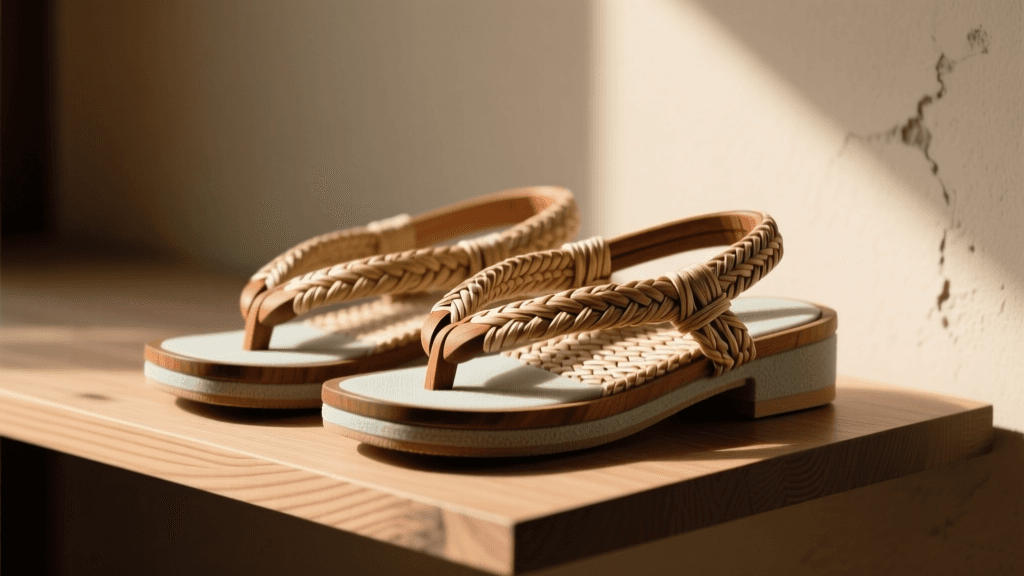
| Footwear | Tabi (split-toe socks), Zori (sandals) | Tabi socks (rentals rarely provide new ones) |
| Ties & Accessories | Koshihimo (waist ties), Datejime, Obi-ita | None (provided by the shop) |
| Outerwear | Haori (jacket), Michiyuki (coat) | Optional rental add-ons |
| Carrying & Storage | Tatou-shi (acid-free tissue), Furoshiki | Small crossbody bag or clutch |
If you are packing your own silk kimono, never fold it along the same creases it arrived in. Use acid-free tatou-shi tissue paper to cushion the folds and prevent moisture buildup. According to the Japan National Tourism Organization (JNTO), travelers engaging in cultural tourism are highly encouraged to participate in local workshops, meaning you might also want to pack a small, portable sewing kit for emergency repairs to vintage silk threads while on the road.
Modern Undergarments for Traditional Silhouettes
The foundation of a beautiful kimono silhouette is entirely dependent on what you wear underneath. Traditional hadajuban and susoyoke are beautiful, but modern travelers in 2026 often rely on contemporary clothing technology to manage Japan's extreme seasonal weather while maintaining the correct cylindrical shape required for kimono.
- Summer (June to September): Japan's summers are notoriously hot and humid. Pack moisture-wicking, cooling fabrics. Sleeveless V-neck tops made from advanced cooling synthetics prevent sweat from reaching the silk kimono. Avoid cotton, which traps moisture and can cause the silk to stain or warp.
- Winter (December to March): Layering is key, but bulk must be avoided. Fleece-lined leggings that stop at the calf are essential, as they keep you warm without interfering with the fit of the tabi socks. Heat-generating undershirts with deep V-necks ensure your modern undergarments remain hidden beneath the nagajuban collar.
- The Collar Rule: Always ensure your undergarment neckline dips well below the collarbone. A visible modern bra strap or high neckline instantly breaks the traditional illusion and is considered a major faux pas in kitsuke.
Navigating Luggage: The Takuhaibin Advantage
Traveling with kimono accessories, multiple changes of clothes, and fragile vintage textiles can make navigating Japan's crowded train stations a nightmare. The most essential travel hack for kimono enthusiasts in 2026 is utilizing Takuhaibin (luggage forwarding services). Yamato Transport, easily recognized by their black cat logo, allows you to ship your heavy suitcases, garment boxes, and delicate textile trunks directly from your hotel in Tokyo to your ryokan in Kyoto or Kanazawa. This service is remarkably affordable, highly reliable, and frees you to travel on the Shinkansen with just a small carry-on containing your daily essentials and perhaps one carefully folded kimono for the evening.
Where to Wear Your Kimono in 2026
Choosing the right location is just as important as choosing the right garment. In recent years, overtourism has led to strict regulations in certain historic districts. In 2026, mindful travelers are expanding their horizons beyond the most congested areas to support regional economies and enjoy a more serene experience.
Kyoto: Navigating the New Heritage Zones
Kyoto remains the spiritual home of the kimono, but the landscape for wearing one has evolved. Following the implementation of bans on photography in private streets in Gion, the Kyoto City Official Travel Guide now heavily promotes designated 'Kimono Friendly' walking routes. The wide, picturesque avenues of Higashiyama, the sprawling bamboo groves of Arashiyama (if visited at dawn), and the historic pathways around Daitoku-ji temple are ideal. Avoid narrow residential alleys in Gion and Miyagawacho, where geiko and maiko are working. When wearing a kimono in Kyoto, opt for subdued, elegant patterns like komon or tsukesage to blend harmoniously with the refined atmosphere of the ancient capital.
Kanazawa: The Uncrowded Cultural Haven
Often referred to as 'Little Kyoto,' Kanazawa is arguably the best city for kimono travel in 2026. The city actively incentivizes traditional dress; visitors wearing a kimono frequently receive discounted or complimentary entry to museums, tea houses, and gardens. Strolling through the meticulously preserved Higashi Chaya district or the stunning Kenrokuen garden in a vibrant houmongi (visiting kimono) offers unparalleled photographic and cultural opportunities without the crushing crowds of Kyoto. Kanazawa is also famous for its Kaga-yuzen dyeing technique, making it a pilgrimage site for serious textile collectors.
Kawagoe: Edo-Era Charm Near Tokyo
For those who do not have time to travel to the Kansai or Hokuriku regions, Kawagoe in Saitama Prefecture offers a spectacular Edo-period warehouse district just 45 minutes from central Tokyo. The 'Kurazukuri' (clay-walled warehouse) streets are flat, wide, and incredibly accommodating to the sweeping hems of a kimono. It is an excellent location for a day-trip rental experience, allowing you to enjoy traditional sweet potato treats and historic bell towers while fully dressed in traditional attire.
Respecting Local Etiquette and 2026 Regulations
Wearing a kimono is a privilege that comes with the responsibility of representing the culture respectfully. As global interest in Japanese traditions grows, so does the expectation for proper etiquette.
'The kimono is not a costume; it is a reflection of the wearer's respect for the occasion, the season, and the environment. In 2026, we ask all visitors to approach traditional dress with mindfulness and grace.' — Kyoto Traditional Arts Preservation Council
Always ensure your collar is crossed correctly: left over right. Crossing right over left is strictly reserved for dressing the deceased for funerals and is considered highly inauspicious. When sitting on trains or in cafes, practice the seiza (kneeling) posture if on tatami mats, or sit shallowly on chairs, keeping your knees together and your back straight to prevent the obi (sash) from crushing against the backrest. Furthermore, be mindful of your hemline; when walking up stairs or navigating crowded streets, lightly pinch the front panels of your kimono together to prevent the hem from dragging on the ground and picking up dirt.
Conclusion
Embarking on a kimono-centric journey through Japan in 2026 is a deeply rewarding endeavor that bridges the gap between ancient artistry and modern travel. By packing the correct foundational garments, utilizing smart luggage forwarding, and selecting destinations that welcome and respect traditional dress, you ensure a seamless and elegant experience. Whether you are admiring the gold leaf of Kanazawa or walking the stone-paved streets of Kyoto, your careful preparation will allow the timeless beauty of the kimono to shine, honoring the artisans and traditions that have kept this magnificent garment alive for centuries.