Kimono Travel Essentials 2026: What to Pack & Where to Wear
The Evolution of Kimono Travel in 2026
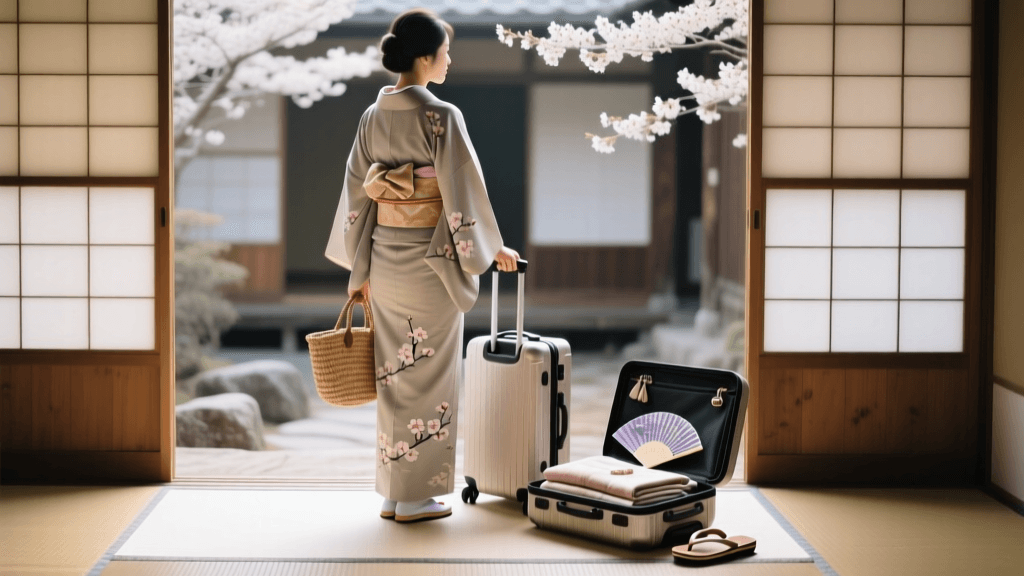
As global travel continues to emphasize mindful and sustainable cultural immersion in 2026, the tradition of wearing a kimono or yukata while exploring Japan has evolved from a fleeting tourist novelty into a deeply respected form of cultural appreciation. Travelers are increasingly moving away from fast-fashion rental shops and instead opting to bring their own vintage garments, supplement high-end heritage rentals with personal accessories, or invest in modern, easy-to-wear two-piece kimono sets. However, the elegance of the kimono relies entirely on its foundation and the etiquette of the wearer. Whether you are navigating the historic streets of Kyoto or attending a contemporary tea ceremony in Tokyo, understanding what to pack and where to appropriately wear these garments is essential for a seamless and respectful journey.
According to the Japan National Tourism Organization (JNTO), cultural tourism has seen a massive shift toward educational and respectful engagement. Packing the right undergarments and shaping accessories not only ensures your personal comfort during long days of sightseeing but also honors the silhouette and history of the garment. Below is your comprehensive guide to kimono travel essentials and venue-specific etiquette for 2026.
The Ultimate Kimono Accessory Packing List
While renting a full kimono set is convenient, seasoned travelers and kimono enthusiasts know that rental shops often use worn-out accessories or ill-fitting tabi socks. Bringing your own foundational items guarantees hygiene, comfort, and a much more polished silhouette. Here is the essential packing checklist for your 2026 itinerary.
| Item | Japanese Term | Purpose | Packing Priority |
|---|---|---|---|
| Waist Ties | Koshihimo | Secures the kimono length and creates the ohashori fold | Essential |
| Wide Under-Sash | Datejime | Flattens the chest and secures the collar | Essential |
| Obi Board | Obi-ita | Keeps the front of the obi sash smooth and crease-free | Essential |
| Split-toe Socks | Tabi | Provides comfort and tradition for footwear | Essential |
| Sandals | Zori / Geta | Outdoor footwear paired with tabi | Optional |
| Decorative Collar | Han-eri | Protects the under-kimono and adds a pop of color | Recommended |
| Obi Pillow | Obi-makura | Gives shape and volume to the obi knot (musubi) | Recommended |
Foundation and Undergarments
The kimono is a straight, T-shaped garment that requires the body to be transformed into a smooth, cylindrical canvas. In 2026, modern travelers often opt for a hadajuban (a thin, breathable cotton or moisture-wicking synthetic camisole and slip skirt) rather than traditional wrap-undergarments, especially during the humid Japanese summers. If you are wearing a formal silk kimono, a nagajuban (under-kimono) is mandatory to protect the delicate outer silk from sweat and body oils. Pack a washable, synthetic nagajuban with a removable han-eri (collar) so you can easily swap out collar colors to match different obi sashes without packing multiple under-kimonos.
The Tying and Shaping Toolkit
The koshihimo are the unsung heroes of kimono dressing. These long, thin ties secure the kimono at the waist and hips. While traditional silk or cotton ties are beautiful, modern 2026 travel kits heavily favor elastic koshihimo with velcro or hook fasteners. They allow you to adjust the tightness throughout the day, which is crucial after a large meal or during long train rides. You will need at least three to four koshihimo for a standard kimono outfit. Additionally, an obi-ita (obi board) is non-negotiable; slipping this rigid board between the folds of your obi sash prevents the fabric from buckling and maintains a crisp, elegant profile.
Footwear Essentials
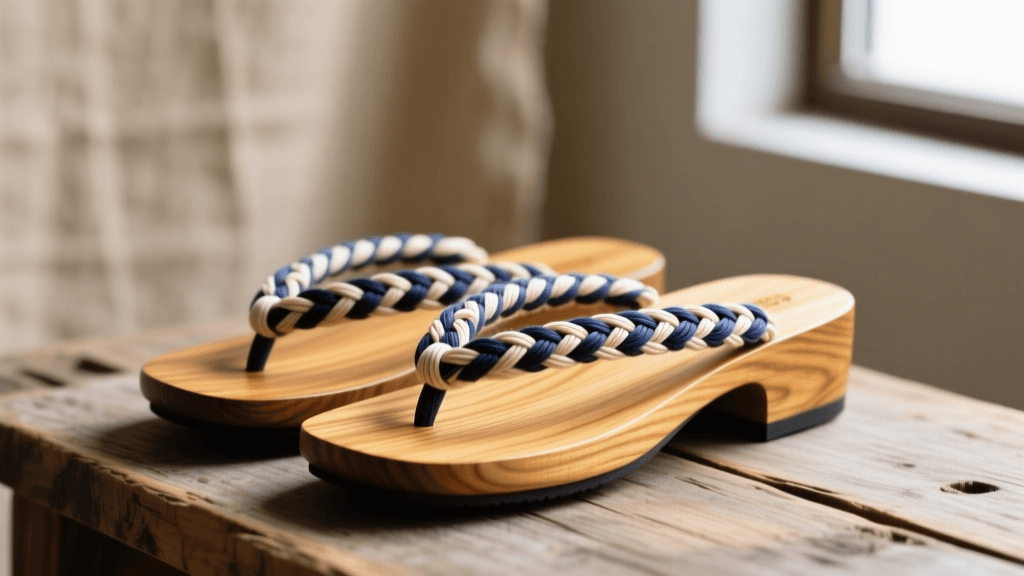
Never pack for a kimono trip without your own tabi socks. Rental tabi are often stretched out, thinly woven, and heavily sanitized but still uncomfortable. Invest in a pair of stretch-tabi (made with polyurethane blends) which hug the foot like a glove and prevent blisters when walking in zori or geta sandals. Pro Tip: Tabi sizing runs notoriously small. Always purchase tabi that are 0.5 cm to 1.0 cm larger than your standard shoe size to accommodate the thick thong of the sandals.
Where to Wear: Navigating 2026 Etiquette and Venues
Wearing a kimono is a joyful experience, but it requires spatial awareness and respect for local customs. As overtourism mitigation strategies have been fully implemented across Japan's heritage sites by 2026, knowing where and how to wear your garment is just as important as how it looks.
Kyoto’s Heritage Districts and Updated Guidelines
Kyoto remains the undisputed heart of kimono culture, but the city has strictly updated its tourism etiquette to protect the daily lives of residents and the privacy of geiko and maiko. According to the Kyoto City Official Travel Guide, visitors wearing kimonos in Higashiyama and Gion must adhere to strict pedestrian flow rules. When walking through historic preservation districts, always keep to the left side of the street. It is considered highly disrespectful to stop abruptly in the middle of a narrow alley to take photographs, as this blocks local traffic and pedestrian flow.
Furthermore, be mindful of your hem. The trailing hem of a kimono (the suso) acts like a broom. When walking on dusty or unpaved historic paths, use your right hand to gently lift the front right panel of your kimono to prevent the silk from dragging in the dirt and splashing mud onto the garments of those walking behind you.
Tokyo’s Modern and Traditional Fusion
In Tokyo, the kimono is often embraced as a fashion statement that bridges the Edo period and the modern metropolis. Districts like Asakusa and Yanaka offer traditional backdrops perfect for classic kimono styling. However, in 2026, it is increasingly popular to wear bold, vintage Meiji or Taisho-era kimonos in ultra-modern neighborhoods like Omotesando or Daikanyama. When visiting contemporary art galleries, high-end department stores, or modern cafes in these areas, a slightly more relaxed styling—such as pairing a vintage kimono with a western-style lace collar or a modern leather handbag—is widely accepted and celebrated as a unique sartorial expression.
High-End Dining and Ryokan Stays
Dining in a kimono presents unique logistical challenges, particularly when seated on tatami mats at a traditional ryokan or kaiseki restaurant. Before sitting, ensure your obi knot is secure. When lowering yourself to the floor, use the yoko-zuwari (side-sitting) position to avoid crushing the obi knot against the floor. If you are seated at a low table, gently rest your forearms on the table edge to keep your wide kimono sleeves (sode) from dipping into your soup or soy sauce. Many high-end restaurants in 2026 provide small sleeve-ties (tasuki) or clips upon request to help you manage your sleeves while eating.
Practical Transit and Weather Adaptations
Japan's public transportation system is incredibly efficient, but navigating it in a kimono requires practice. When passing through automated ticket gates, turn slightly sideways to ensure your obi knot and wide sleeves do not catch on the sensors or the closing doors. On crowded trains, hold your sleeves gently in front of you to avoid brushing against other passengers, which is a standard courtesy noted in Japan Guide's comprehensive etiquette overview.
Weather is the ultimate adversary of the kimono traveler. The rainy season (tsuyu) in June and early July can be disastrous for silk. If traveling during this window, pack a lightweight, transparent raincoat specifically designed for kimono silhouettes, and consider wearing a synthetic, washable kimono or a casual cotton yukata instead of heirloom silk. During the sweltering heat of August, transition entirely to ro (woven summer silk) or linen yukata, and utilize a traditional folding fan (sensu) not just as an accessory, but as a vital cooling tool. Always carry a small, absorbent handkerchief to dab sweat from your neck and hairline, preserving your makeup and the pristine collar of your garment.
Conclusion
Traveling with a kimono in 2026 is a deeply rewarding endeavor that connects you to centuries of Asian textile tradition and craftsmanship. By packing the correct foundational accessories—like elastic koshihimo, properly sized tabi, and rigid obi-ita—you ensure that your garment remains comfortable and structurally sound from dawn until dusk. Coupled with a mindful approach to venue-specific etiquette, particularly in Kyoto's protected heritage zones, your kimono journey will be defined not just by beautiful photographs, but by a profound, respectful engagement with Japan's living cultural landscape.