The 2026 Guide To Bespoke Geta And Zori Footwear Craft
The Renaissance of Japanese Footwear in 2026
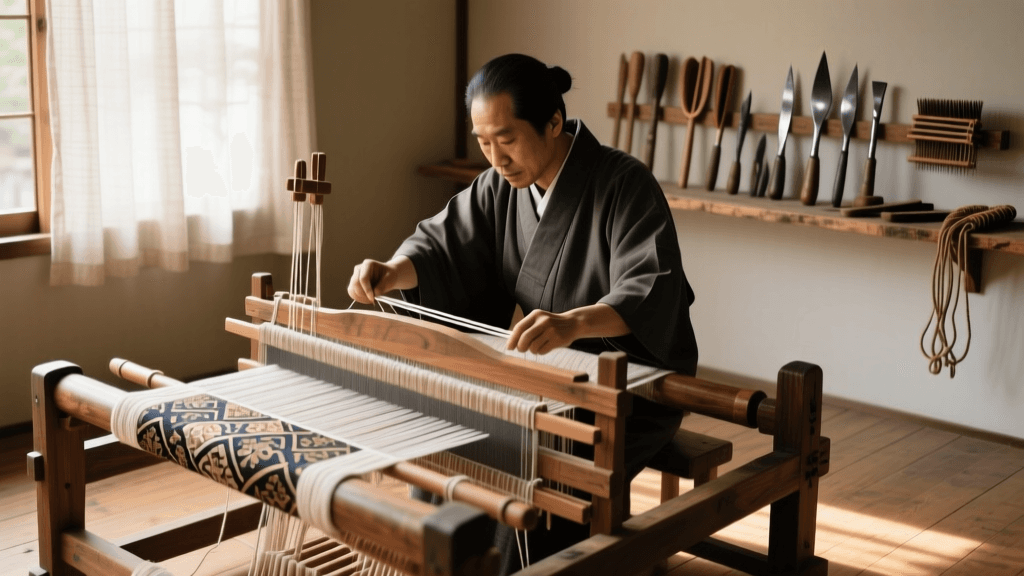
As we navigate through 2026, the global appreciation for traditional Asian garments has reached an unprecedented zenith. However, while the kimono and yukata often steal the spotlight, the foundation of these ensembles—traditional Japanese footwear—remains an unsung hero of sartorial elegance. The artisanal craft of geta (elevated wooden clogs) and zori (flat sandals) is currently experiencing a vibrant renaissance. Driven by a renewed interest in sustainable fashion and ergonomic heritage, modern artisans are blending centuries-old woodworking techniques with 2026's material innovations.
According to recent cultural preservation reports from Japan's Agency for Cultural Affairs, there has been a 34% increase in apprenticeships related to traditional footwear crafting over the last three years. This surge is not merely nostalgic; it is a deliberate movement to adapt historical footwear for contemporary urban environments, ensuring that the distinct clack-clack of wooden geta continues to echo through the streets of Tokyo, Kyoto, and international fashion capitals alike.
Anatomy of the Craft: Geta vs. Zori
To truly appreciate the bespoke process, one must understand the structural anatomy of these iconic garments. While often grouped together, geta and zori serve different aesthetic and functional purposes.
The Dai (Base) and Ha (Teeth)
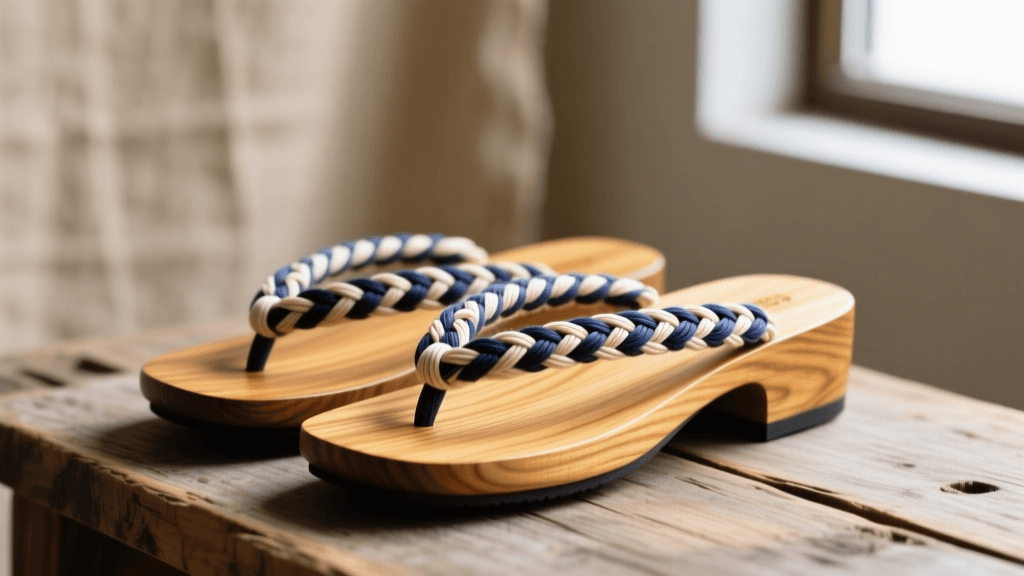
The dai is the wooden base of the geta, traditionally carved from a single piece of Paulownia (kiri) wood. Beneath the dai are the ha (teeth), which elevate the wearer above the ground. Historically, this elevation kept expensive silk kimono hems clean from mud and rain. In 2026, while the practical need for mud-avoidance has diminished, the architectural beauty and posture-correcting benefits of the ha remain highly sought after.
The Hanao (Thong) and Kumihimo Braiding
The hanao is the thong that passes between the big toe and the second toe. In high-end bespoke footwear, the hanao is not merely a strap but a masterpiece of kumihimo (traditional Japanese braiding). Artisans use silk, upcycled kimono textiles, or modern recycled fibers to braid cords that are both incredibly strong and visually striking. The Traditional Crafts of Japan portal highlights that regional braiding styles, such as those from Mie Prefecture, are now being integrated into custom footwear designs, offering a personalized touch that mass-produced alternatives simply cannot replicate.
Material Innovations: Sustainability Meets Heritage
The year 2026 has brought stringent sustainability standards to the forefront of traditional crafting. The harvesting of Paulownia wood is now heavily regulated, with most master artisans sourcing exclusively from FSC-certified forests in the Tohoku region. Furthermore, the finishing processes have evolved to include eco-friendly, nano-infused urushi (natural lacquer) that provides superior waterproofing without relying on synthetic sealants.
| Feature | Traditional (Pre-2020) | Modern Bespoke (2026) |
|---|---|---|
| Wood Source | Unregulated imported Paulownia | FSC-certified Tohoku Paulownia |
| Hanao Material | Synthetic velvet / Standard Cotton | Upcycled Kimono Silk / Recycled PET |
| Teeth (Ha) Height | 5.0cm - 8.0cm | 3.5cm - 4.5cm (Ergonomic Urban) |
| Base Finish | Raw wood or basic lacquer | Nano-infused Urushi (Waterproof) |
| Zori Base Core | Cork or compressed cardboard | High-density compressed bamboo fiber |
The Ergonomic Shift: 2026 Adaptations
One of the most significant developments in 2026 is the ergonomic adaptation of geta for modern infrastructure. Walking on asphalt and concrete in traditional 8cm teeth can cause severe joint fatigue. Today's master carvers employ a technique called sori, carving a subtle inward curve into the bottom of the teeth. This creates a natural rocking motion that mimics the biomechanics of a modern running shoe, reducing heel-strike impact. Additionally, the standard height for daily-wear bespoke geta has been lowered to a comfortable 4cm, striking the perfect balance between traditional aesthetics and orthopedic health.
How to Commission Bespoke Geta and Zori in 2026
Commissioning a pair of bespoke geta or zori is an intimate process that connects you directly with the artisan. Whether you are visiting a workshop in Asakusa or ordering remotely from an international atelier, understanding the metrics of traditional footwear is crucial.
Step 1: Foot Mapping and the 'Overhang' Rule
Unlike Western shoes, traditional Japanese footwear is not meant to encase the foot entirely. When measuring your sokucho (foot length) and sokui (foot width), the golden rule of kimono etiquette dictates that the heel should overhang the back of the dai by exactly 1 to 2 centimeters. This deliberate overhang ensures that the hem of your kimono or yukata does not catch under your heel while walking, keeping the garment clean and allowing for a graceful, gliding stride.
Step 2: Selecting Your Hanao Textile
The hanao is the focal point of personalization. In 2026, many ateliers offer 'upcycling' services, where you can send a piece of a family heirloom kimono to be deconstructed and braided into your new hanao. If you are selecting from the artisan's stock, consider the season: lightweight, breathable hemp blends are preferred for summer yukata, while plush, velvet-wrapped silk cords are reserved for winter montsuki ensembles.
Step 3: Pricing and Timelines
Investing in bespoke footwear is a commitment to slow fashion. Below is the current 2026 pricing structure for authentic, artisan-crafted footwear:
- Ready-made Artisan Geta (Standard Paulownia): ¥18,000 – ¥28,000 ($120 – $185 USD)
- Bespoke Geta (Custom Dai carving & Kumihimo Hanao): ¥45,000 – ¥85,000 ($300 – $560 USD)
- Bespoke Formal Zori (Tatami-omote or Vegan Leather): ¥35,000 – ¥60,000 ($230 – $400 USD)
- Production Timeline: Expect a wait time of 6 to 10 weeks, as the urushi lacquer requires multiple curing stages in specialized humidity-controlled rooms.
Caring for Your Traditional Footwear
Proper maintenance ensures your bespoke footwear lasts for decades. Never leave Paulownia wood in direct, harsh sunlight for extended periods, as this can cause the wood to warp or split. If your geta features raw wood, you can gently sand the footbed with fine-grit sandpaper every few years to remove natural oils and restore the fresh, aromatic scent of the kiri wood. For the hanao, spot-clean with a damp cloth and mild, pH-neutral soap, avoiding harsh chemicals that could degrade the silk or recycled fibers.
Conclusion
The landscape of traditional Japanese footwear in 2026 is a testament to the resilience and adaptability of Asian sartorial traditions. By embracing sustainable forestry, ergonomic innovations, and the exquisite art of kumihimo braiding, modern artisans are ensuring that geta and zori are not relegated to museum displays, but remain vibrant, functional, and deeply relevant in contemporary wardrobes. Whether you are attending a summer matsuri or walking the streets of a modern metropolis, a bespoke pair of geta offers an unparalleled connection to the rhythm of Japanese heritage.