Japanese Kimono Milestones 2026: Garments For Every Life Stage
The Enduring Legacy of the Kimono in 2026
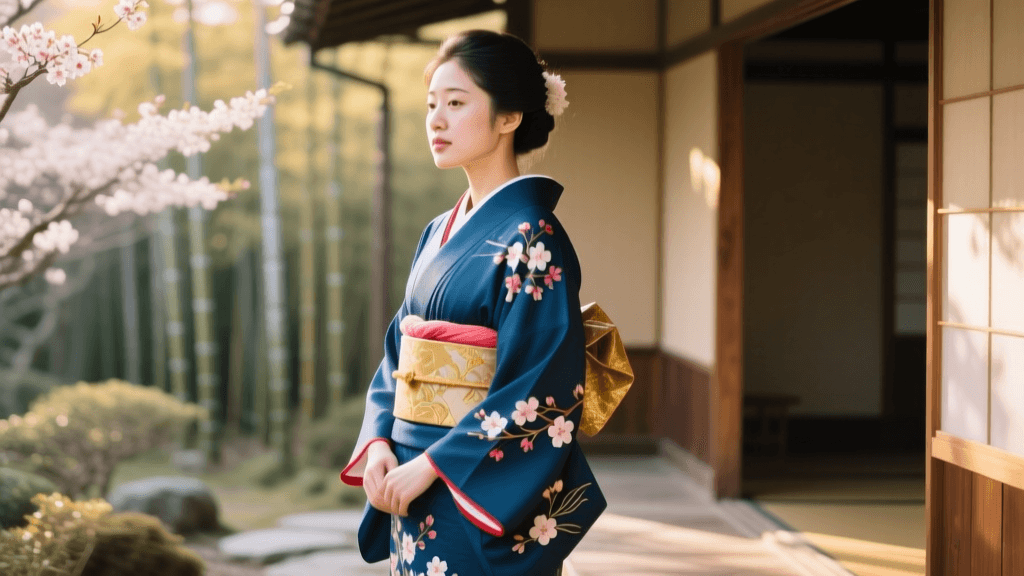
In 2026, the traditional Japanese kimono remains far more than a beautiful textile; it is a wearable calendar of human life, mapping the journey from childhood to elderhood through precise silhouettes, colors, and motifs. While everyday fashion in Tokyo and Kyoto has fully embraced global trends, the kimono holds an unbreakable monopoly over Japan's most sacred life milestones. According to the Japan National Tourism Organization, the cultural preservation of these garments is heavily supported by both local municipalities and private artisans, ensuring that ancient weaving techniques like Nishijin-ori and Yuzen dyeing continue to thrive in the modern era.
For those navigating Japanese cultural traditions today, understanding which kimono is appropriate for which life stage is essential. The rules governing age, marital status, and the formality of the event are strictly observed, yet they have also adapted to contemporary realities. This comprehensive guide explores the specific kimono traditions tied to major Japanese life milestones in 2026.
Shichi-Go-San: The Childhood Milestones (Ages 3, 5, and 7)
Shichi-Go-San, translating to "Seven-Five-Three," is a traditional rite of passage held annually on November 15th to celebrate the growth and well-being of young children. Historically, childhood mortality was high, and reaching these specific ages was considered a divine blessing. Today, it remains a day of vibrant family celebrations and shrine visits.
Age 3: The Hifu and First Hairpins
At age three, both boys and girls traditionally celebrate, though modern 2026 customs see girls participating more prominently. Three-year-old girls wear a standard children's kimono paired with a hifu, a padded, sleeveless silk vest. The hifu is designed to hide the stiff, formal obi (sash) that would be uncomfortable for a toddler. The motifs often feature playful, auspicious symbols like rabbits, balls, and blooming peonies, symbolizing a joyous and healthy upbringing.
Age 5: The First Hakama
Five-year-old boys celebrate by wearing their first hakama (pleated trousers) over a kimono, often accompanied by a haori (jacket) adorned with the family crest. The ensemble mimics the formal attire of a samurai or court noble, symbolizing the boy's first step into the societal roles of manhood. In 2026, many families opt for lightweight, breathable silk blends to ensure the child remains comfortable during lengthy shrine photography sessions.
Age 7: The Transition to the Adult Obi
For seven-year-old girls, the milestone marks the transition from the simple cords used to tie children's kimono to the structured, formal obi worn by adults. The kimono itself is often a bright, long-sleeved garment featuring the gosho-guruma (court carriage) or mari (traditional ball) motifs. The tying of the first adult-style obi is a profound symbolic moment, representing the girl's gradual integration into adult society.
Seijin-shiki and Hatachi no Tsudoi: Coming of Age
The transition to adulthood is one of the most visually spectacular events in Japan. Following the 2022 revision of Japan's Civil Code, which lowered the legal age of adulthood from 20 to 18, the landscape of Coming of Age ceremonies shifted. However, as of 2026, the vast majority of municipalities still hold the traditional ceremonies for 20-year-olds, now frequently rebranded as Hatachi no Tsudoi (Twenty-Year-Old Gatherings) to avoid confusion with the legal definition of adulthood and to accommodate 18-year-olds who are deep in university entrance exam preparations.
The Furisode: The Ultimate Statement of Youth
Unmarried young women mark this milestone by wearing the furisode, characterized by its dramatically long, swinging sleeves that can measure up to 114 centimeters in length. According to the Victoria and Albert Museum's Asian Collections, the length of the sleeve historically served to ward off evil spirits and signal availability for marriage. In 2026, furisode trends blend classic Yuzen-dyed floral patterns with modern, bold color-blocking and metallic leaf accents. The ensemble is completed with a highly decorative, oversized obi tied in an elaborate bow at the back, resembling a blooming flower.
Men's Montsuki Hakama
Young men typically wear a montsuki hakama, a formal black kimono bearing the family's five crests, paired with a striped silk hakama. While some opt for Western suits in 2026, the traditional hakama remains the gold standard for those wishing to honor their heritage, often accessorized with a white haori jacket and a formal fan.
Kekkon-shiki: The Wedding Milestone
A Japanese wedding is a masterclass in sartorial symbolism, often involving multiple outfit changes that reflect the bride's transition from her birth family to her new household.
Shiromuku: The Pure White Canvas
The most formal wedding garment is the shiromuku, an entirely white ensemble encompassing the kimono, obi, and outer robe. White in Shinto tradition symbolizes purity and the bride's willingness to "die" to her birth family and be reborn into her husband's family, taking on their customs and colors. The subtle elegance of a 2026 shiromuku lies in its woven textures—cranes, turtles, and pine branches woven in white-on-white silk, visible only when the light catches the fabric.
Uchikake and Hiki-Furisode: The Colorful Rebirth
For the reception, the bride changes into an uchikake (a heavily brocaded outer robe worn unbelted over a base kimono) or a hiki-furisode (a trailing, long-sleeved kimono). These garments are explosively colorful, featuring gold and silver thread work depicting auspicious motifs like the shochikubai (pine, bamboo, and plum) to ensure a resilient and prosperous marriage.
Kanreki and Koki: Honoring the Elders
As individuals enter their later years, specific milestones are celebrated with garments that honor longevity and wisdom.
Kanreki: The 60th Birthday
The 60th birthday, or Kanreki, marks the completion of the traditional 60-year zodiac cycle, symbolizing a rebirth. The traditional color for Kanreki is red, representing vitality and protection against evil spirits. While the red chanchanko (padded vest) is a common casual gift, many women in 2026 celebrate by wearing a red-accented tomesode or a sophisticated burgundy silk kimono that nods to the tradition while maintaining modern elegance.
Koki: The 70th Birthday
The 70th birthday, or Koki, is celebrated with garments featuring deep purples and golds. The motifs shift heavily toward symbols of extreme longevity, such as the minogame (a mythical turtle with a tail of seaweed) and the crane, which is said to live for a thousand years. The Ministry of Foreign Affairs of Japan notes that these elder milestones are increasingly celebrated with multi-generational family gatherings, where the matriarch's kimono serves as a visual anchor of the family's history.
2026 Milestone Kimono Data & Rental Guide
Acquiring a milestone kimono is a significant investment. In 2026, the rental market has expanded, offering high-quality, sustainably cleaned silk garments alongside AI-driven virtual try-on services to help families select the perfect motifs before visiting a physical store.
| Life Milestone | Target Age | Primary Garment | Key 2026 Motifs | Avg. Rental Cost (2026) |
|---|---|---|---|---|
| Shichi-Go-San | 3, 5, 7 | Hifu / Hakama / Child Obi | Rabbits, Peonies, Court Carriages | ¥25,000 - ¥45,000 |
| Hatachi no Tsudoi | 20 | Furisode / Montsuki Hakama | Cherry Blossoms, Bold Color-Block | ¥150,000 - ¥350,000 |
| Kekkon-shiki | Varies | Shiromuku / Uchikake | Cranes, Pine, Bamboo, Plum | ¥300,000 - ¥800,000 |
| Kanreki | 60 | Red Tomesode / Chanchanko | Red Accents, Turtles, Bamboo | ¥50,000 - ¥120,000 |
| Koki | 70 | Formal Iromuji / Tomesode | Minogame, Cranes, Gold Leaf | ¥60,000 - ¥150,000 |
Tips for Navigating the 2026 Rental Market
- Book Early: For January Coming of Age ceremonies, reservations for premium furisode should be made by early summer of the previous year.
- Understand the Packages: Most 2026 rental packages include the kimono, obi, undergarments (juban), footwear (zori), and professional dressing services at the shop, which is crucial as tying a formal obi requires specialized training.
- Weather Considerations: For November Shichi-Go-San and January Seijin-shiki, inquire about thermal under-layers and plush winter shawls that match the formality of the garment.
"The kimono is not merely clothing; it is an architectural structure of silk that houses the spirit of the wearer at their most pivotal moments. To wear the correct garment at the correct age is to harmonize with the rhythm of nature and society." — Traditional Textile Artisan, Kyoto Nishijin Weaving Guild
Conclusion
As we move through 2026, the kimono continues to serve as a profound marker of time, growth, and transition in Japanese culture. From the playful hifu of a three-year-old to the majestic, trailing uchikake of a bride, each garment is meticulously chosen to reflect the wearer's exact place in the tapestry of life. By understanding these age-specific traditions, we gain a deeper appreciation for a culture that weaves its most deeply held values into the very threads of its national dress.