Japanese Kimono Milestones: Life Stages Guide For 2026
The Enduring Legacy of the Kimono in 2026
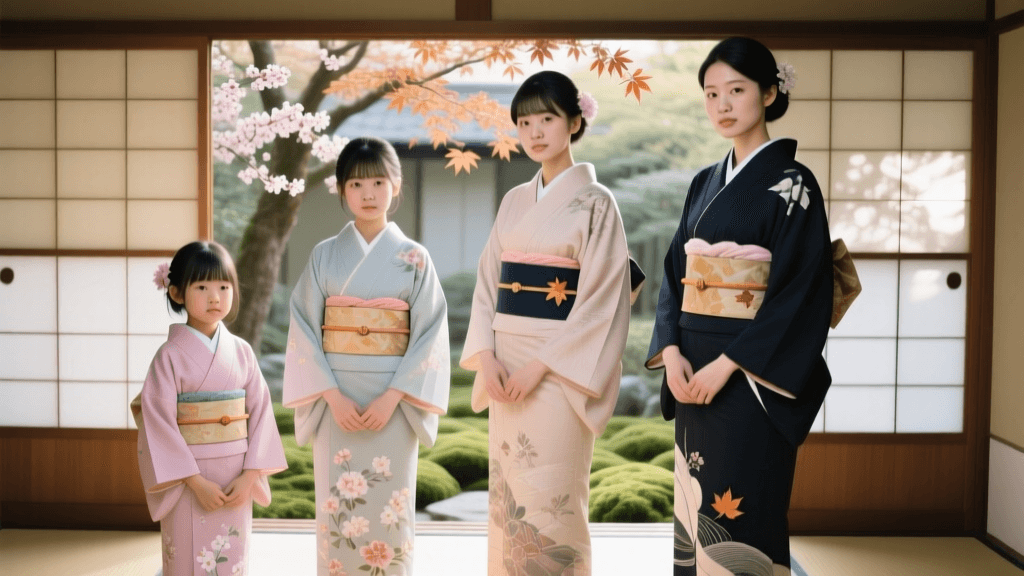
The Japanese kimono is far more than a beautiful garment; it is a wearable timeline that maps the journey of human life. While Western fashion dominates daily life in modern Japan, the kimono remains the undisputed sartorial choice for life's most pivotal milestones. As of 2026, the kimono industry has beautifully balanced centuries-old traditions with contemporary needs, offering sustainable silk options, digital customization, and inclusive sizing that make these garments more accessible than ever.
From the first shrine visit in infancy to the elegant subtlety of elder years, the motifs, sleeve lengths, and colors of the kimono communicate a person's age, marital status, and the specific milestone they are celebrating. According to the Japan Guide's comprehensive overview of traditional Japanese clothing, understanding these sartorial codes provides a profound window into Japanese culture and societal values. This guide explores the distinct kimono styles worn across different life stages in 2026, providing actionable insights for those looking to participate in or photograph these timeless traditions.
Infancy and Early Childhood: Omiyamairi
The first major milestone in a Japanese child's life is the Omiyamairi, or the first shrine visit, which typically takes place when the baby is around one month old. During this ceremony, the infant is draped in a special ceremonial garment called an ubugi, which is often worn over the mother's or grandmother's kimono.
Symbolism and Motifs for Newborns
The ubugi is characterized by its tsutsu-sode (tube-shaped sleeves) and lacks the standard slit under the arm, symbolizing the unbroken, protected nature of infancy. In 2026, parents increasingly favor organic, sustainably dyed silks for these garments. Common motifs include asanoha (hemp leaves), which represent rapid and healthy growth, and takasago (pine trees), symbolizing longevity. For baby boys, motifs of hawks, samurai helmets (kabuto), or carp are traditional, while baby girls are often adorned with peonies, cherry blossoms, and rabbits.
Shichi-Go-San: The Ages of Three, Five, and Seven
Celebrated annually on November 15th, Shichi-Go-San (literally 'Seven-Five-Three') is a rite of passage for children of these specific ages. It is a time to pray for the health, growth, and future prosperity of the child. The clothing worn during this festival is highly specific to the child's age and gender.
Age Three: The Hifu Vest
Three-year-old girls typically wear a kimono paired with a hifu, a soft, padded silk vest worn over the obi. Because young children cannot comfortably wear the stiff, tightly tied obi of adult kimonos, the hifu serves as a beautiful, comfortable alternative that hides the simple tie of the child's kimono. In 2026, modern Tokyo boutiques are offering lightweight, breathable hifu made from advanced synthetic blends that mimic the sheen of silk while being machine-washable—a massive hit with modern parents.
Age Five: The First Hakama
Five-year-old boys celebrate by wearing their first formal haori (jacket) and hakama (pleated trousers). The haori is often adorned with the family's kamon (crest). The hakama represents the boy's first step into the formal, public sphere of society. Footwear for this age consists of soft-soled zori sandals paired with white tabi socks, designed to be comfortable for walking on shrine grounds.
Age Seven: Tying the First Obi
At age seven, girls transition from the simple cord-tied kimono of their younger years to wearing a full, formal obi for the first time. This marks their official entry into the world of adult female dress, albeit on a miniature scale. The kimono features vibrant, auspicious patterns like cranes and tortoises, and the obi is tied in a decorative knot, such as the bunko (bow knot).
Coming of Age: Seijin Shiki at Twenty
Despite Japan lowering the legal age of adulthood to 18 in 2022, the cultural celebration of Seijin Shiki (Coming of Age Day) remains firmly anchored at age 20 as of 2026. This alignment ensures that the celebration coincides with university transitions and the legal drinking age, preserving the grand, festive atmosphere of the event held on the second Monday of January.
The Furisode: Sleeves of Youth
Unmarried young women celebrate this milestone by wearing a furisode, a kimono distinguished by its long, swinging sleeves that can measure up to 114 centimeters in length. The furisode is the most formal kimono for unmarried women, and its long sleeves historically served to ward off evil spirits and signal availability for marriage. In 2026, the trend has shifted heavily toward 'retro-modern' designs, with young women seeking out vintage Taisho-era (1912-1926) patterns featuring bold, geometric contrasts and deep, muted earth tones, moving away from the bright pastels that dominated the early 2010s.
Haori and Hakama for Young Men
While many young men opt for Western suits in 2026, a significant and growing subculture embraces traditional haori and hakama. The men's ensemble is typically dark—black, navy, or charcoal gray—and features five family crests. The haori is secured with a braided silk cord called a haori himo, and the ensemble is completed with white tabi and formal zori sandals.
Marriage: Shiromuku and Uchikake
The traditional Japanese wedding is a masterclass in sartorial transformation, often involving multiple outfit changes that symbolize the bride's journey.
The Shiromuku: Pure Beginnings
For the Shinto ceremony, the bride wears the shiromuku, an ensemble where every layer—from the undergarments to the outer kimono and the tsunokakushi (hood)—is pure white. Historically, this symbolized the bride's willingness to be 'dyed' in the colors of her new family. In 2026, cultural historians and the Agency for Cultural Affairs note a modern reinterpretation: the white now predominantly symbolizes a pure, blank canvas upon which the couple will paint their own shared future, reflecting modern egalitarian marriage values.
The Iro-Uchikake: Festive Receptions
For the reception, the bride changes into an iro-uchikake, a heavily brocaded, colorful outer robe worn over a base kimono. Red and gold are the most popular colors, featuring lavish embroidery of cranes, pine, and plum blossoms. Unlike the furisode, the uchikake is left to trail gracefully on the floor, requiring the assistance of an attendant to manage the hem.
Elder Years: Subdued Elegance and Longevity Celebrations
As individuals age, the kimono reflects a transition from vibrant expression to refined, understated elegance. Married women attending formal events, such as the weddings of their children or grandchildren, wear the kurotomesode. This is a black kimono with patterns restricted only to the lower half of the garment, featuring five family crests. It is the pinnacle of formal wear for married women.
Celebrating Longevity
Japan's aging population has brought renewed focus to longevity celebrations, known collectively as chouju. Milestones such as Kanreki (60th birthday), Kiju (77th birthday), and Beiju (88th birthday) are marked with specific colors and garments. For Kanreki, it is traditional to wear a red chanchanko (padded vest) and hood, symbolizing a return to infancy and the start of a new life cycle. For Kiju and Beiju, elders often don exquisite Edo komon—kimonos dyed with micro-patterns that appear solid from a distance but reveal intricate geometric or nature motifs up close, representing the depth and complexity of a long life lived.
2026 Kimono Market: Rental vs. Purchase Guide
Navigating the financial aspect of kimono acquisition is a crucial part of milestone planning. In 2026, the rental market has become highly sophisticated, offering full-service packages that include dressing, hair styling, and photography. Below is a comparison of average costs and trends for major milestones in 2026.
| Milestone | Garment Type | 2026 Avg. Rental (JPY) | 2026 Avg. Purchase (JPY) | Key 2026 Trend |
|---|---|---|---|---|
| Shichi-Go-San (Age 3) | Kimono with Hifu | ¥15,000 - ¥25,000 | ¥50,000 - ¥80,000 | Machine-washable synthetic silks |
| Seijin Shiki (Age 20) | Furisode | ¥150,000 - ¥300,000 | ¥400,000 - ¥1,000,000+ | Vintage Taisho-era retro patterns |
| Wedding Ceremony | Shiromuku | ¥250,000 - ¥400,000 | ¥800,000 - ¥2,500,000 | Eco-friendly, ethically sourced silk |
| Formal Elder Events | Kurotomesode | ¥80,000 - ¥120,000 | ¥300,000 - ¥700,000 | Pre-tied, adjustable modern obi |
Note: Rental packages in 2026 almost universally include the services of a professional kitsuke (kimono dresser), which is essential for complex garments like the furisode and shiromuku.
Preserving the Threads of Time
The evolution of the kimono across life stages is a testament to Japan's ability to honor its past while adapting to the present. Whether it is the protective hemp motifs of an infant's ubugi, the sweeping sleeves of a young adult's furisode, or the dignified black of a grandmother's kurotomesode, each garment tells a story of transition, responsibility, and celebration. As the global interest in traditional Asian garments continues to grow, understanding these life-stage milestones ensures that the profound cultural language of the kimono is preserved and respected for generations to come.