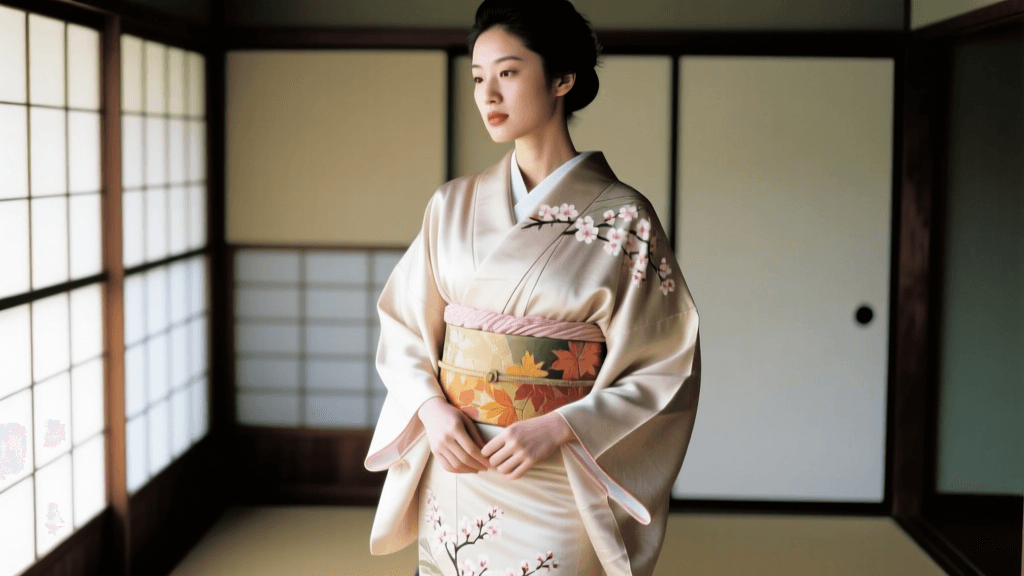
Kimono Streetwear: Blending Japanese Tradition and Pop Culture

The Intersection of Japanese Tradition and Global Pop Culture
Over the last two decades, traditional Japanese garments have experienced a massive renaissance, stepping out of ceremonial closets and onto the global streetwear stage. From the neon-lit alleys of Harajuku to the high-fashion runways of Paris, the kimono and its lighter counterpart, the haori, have become foundational elements in modern pop culture fashion. Driven by the global explosion of anime, cyberpunk media aesthetics, and the relentless influence of Japanese streetwear pioneers like Yohji Yamamoto and Rei Kawakubo, Western and global audiences are increasingly adopting traditional Japanese silhouettes into their everyday wardrobes.
According to the Metropolitan Museum of Art, the kimono's T-shaped, straight-lined construction was originally designed to wrap the body in a way that concealed its natural curves, focusing instead on the surface design and the textile's drape. Today, that same architectural, gender-neutral silhouette is exactly what makes it so highly sought after in modern, oversized streetwear. This guide will explore how to source, measure, and style traditional Japanese garments for a contemporary, pop-culture-inspired wardrobe.
The Pop Culture Catalyst: From Anime to Hip-Hop
The integration of Japanese traditional wear into global pop culture is not a recent phenomenon, though its current iteration is heavily influenced by modern media. In the post-WWII era, the sukajan (souvenir jacket) emerged as a bridge between East and West. American soldiers stationed in Yokosuka commissioned local tailors to embroider traditional Japanese motifs—such as dragons, tigers, and cherry blossoms—onto Western-style baseball jackets. This early hybrid laid the groundwork for what we now recognize as global streetwear.
Fast forward to the 21st century, and the influence of Japanese media is undeniable. Anime conventions worldwide are no longer just spaces for strict cosplay; they are incubators for 'cyberpunk' and 'tech-wear' fashion, where hakama pants and haori jackets are paired with tactical vests and chunky sneakers. Furthermore, global hip-hop icons like A$AP Rocky and Tyler, The Creator have frequently incorporated vintage silk sukajan and kimono cardigans into their music videos and public appearances, cementing the garment's status as a luxury streetwear staple.
The Victoria and Albert Museum's landmark Kimono: Kyoto to Catwalk exhibition highlighted this exact trajectory, showcasing how the garment evolved from an elite status symbol in the Edo period to a canvas for global pop-culture expression, heavily influencing contemporary designers who blend heritage textiles with modern, rebellious cuts.
Sourcing: Authentic Vintage vs. Modern Adaptations
When building a streetwear wardrobe inspired by Japanese tradition, understanding the difference between authentic vintage pieces and modern fast-fashion adaptations is crucial. Below is a comparison chart to help you decide which route to take based on your budget and styling needs.
| Garment Type | Price Range (USD) | Primary Material | Best Use Case in Streetwear |
|---|---|---|---|
| Authentic Vintage Haori | $40 - $150 | 100% Silk, Silk Crepe | High-end layering, statement outerwear over monochrome basics. |
| Vintage Sukajan Jacket | $150 - $600+ | Silk, Satin, Reversible Acetate | Statement casual wear, rockabilly, and hip-hop inspired fits. |
| Modern Fast-Fashion Kimono Cardigan | $20 - $45 | Polyester, Rayon Blends | Summer festivals, casual beach cover-ups, low-stakes cosplay. |
| Designer Streetwear Haori (e.g., Visvim, Kapital) | $400 - $1,500+ | Indigo-dyed Cotton, Sashiko, Wool | Curated avant-garde streetwear, archival fashion collecting. |
For the most authentic pop-culture aesthetic, sourcing vintage silk haori from Japanese proxy buying services (like Buyee or ZenMarket) or specialized Etsy sellers yields the best results. You get the heavy, luxurious drape of authentic silk crepe (chirimen) at a fraction of the cost of modern designer replicas.
Decoding Traditional Japanese Measurements
One of the biggest hurdles for Western buyers is sizing. Traditional Japanese garments do not use Small, Medium, or Large. Because they are cut from single bolts of fabric (tanmono) in straight lines, they are essentially one-size-fits-most, with the fit being adjusted by how tightly the obi (belt) is wrapped or how the garment is layered. As noted by Encyclopedia Britannica, the modular nature of the kimono allows it to be easily taken apart, cleaned, and re-sewn to adjust sizing, a stark contrast to Western tailored clothing.
When buying a haori or kimono to wear as open streetwear outerwear, you must pay attention to three critical measurements (usually listed in centimeters on Japanese resale sites):
- Yuki (Sleeve Length): Measured from the center back of the neck, across the shoulder, and down to the wrist. For a modern oversized streetwear look on a 5'9" (175cm) male, look for a Yuki of 75cm to 85cm. This will provide a dropped-shoulder effect that is highly desirable in modern streetwear.
- Mitake (Back Length): Measured from the base of the collar down the center back to the hem. A standard vintage haori has a Mitake of 80cm to 95cm. On an average-height adult, this will hit at the mid-thigh, making it perfect for layering over hoodies and longline t-shirts.
- Haba (Width): Measured across the back from sleeve seam to sleeve seam. Ensure the Haba is at least 65cm to 70cm to accommodate broader Western shoulders and thick winter layers like heavyweight hoodies.
4 Rules for Styling the Haori in Modern Streetwear
Integrating a centuries-old garment into a modern urban outfit requires a careful balance of proportions and textures. Follow these actionable rules to ensure your outfit reads as high-fashion streetwear rather than an accidental costume.
1. Contrast the Silhouette
Because the haori is naturally boxy and wide, balance your lower half. If you are wearing a wide-sleeved, mid-thigh haori, pair it with straight-leg or slightly tapered trousers, such as vintage Levi's 501s or tailored cargo pants. Avoid excessively baggy pants, as the combination of a wide top and wide bottom can overwhelm your frame and obscure the beautiful drape of the silk.
2. The Inner Layer is Crucial
In traditional settings, the haori is worn over a kimono. In streetwear, your inner layer sets the tone. For a cyberpunk or tech-wear aesthetic, layer the haori over a black, high-neck tactical turtleneck or a sleek, waterproof windbreaker. For a more relaxed, Harajuku-inspired look, wear it open over a heavyweight, boxy graphic tee with a subtle chain necklace to bridge the gap between traditional silk and modern metal hardware.
3. Footwear Pairings
Leave the traditional geta (wooden sandals) and zori at home unless you are attending a specific cultural festival. The chunky, aggressive soles of modern sneakers provide a brilliant visual contrast to the delicate, flowing nature of vintage silk. Shoes like the New Balance 990v5, Nike Air Max 95, or chunky Dr. Martens boots ground the outfit and firmly plant it in contemporary street culture.
4. Accessorize with Intent
Traditional haori do not have buttons or zippers; they are tied at the front with a small braided cord called a haori himo. In streetwear, you can leave the haori completely open for a relaxed drape. To add a modern utility aspect, pair the garment with a crossbody bag or a tactical chest rig. The juxtaposition of Edo-period silk embroidery with modern Cordura nylon accessories is a hallmark of high-end Japanese streetwear brands like WTAPS and Neighborhood.
Caring for Vintage and Silk Garments
Authentic vintage haori are often made of silk crepe, which is highly sensitive to water, heat, and direct sunlight. To maintain your investment:
- Never use wire hangers. The weight of the silk will cause the shoulders to stretch and tear. Always use wide, padded wooden hangers.
- Avoid the washing machine. Water can cause vintage silk dyes to bleed instantly and will ruin the stiff inner lining. Spot clean with a damp cloth and use a professional dry cleaner who specializes in delicate vintage textiles.
- Storage. If you live in a humid climate, store your silk garments in a breathable cotton garment bag with cedar blocks or traditional Japanese shikibu (moth-prevention paper) to protect against insects and moisture buildup. Never store silk in plastic, as it traps moisture and leads to yellowing and mildew.
By understanding the rich history, precise measurements, and modern styling techniques of traditional Japanese garments, you can respectfully and fashionably integrate these iconic pieces into your global streetwear rotation, celebrating the enduring legacy of Asian sartorial traditions.