The Sensory Kimono: Fabric Texture & Sound Guide 2026
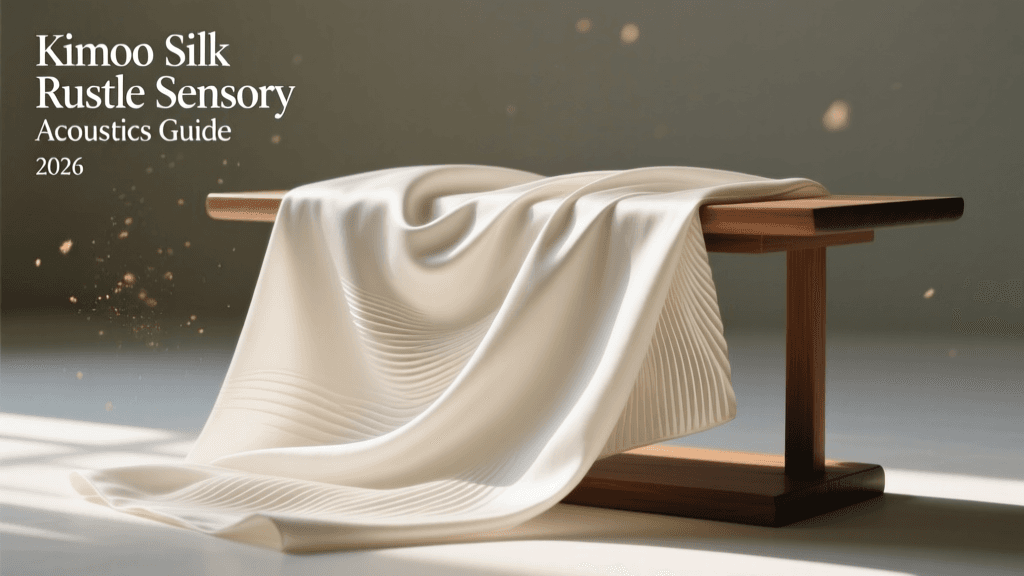
When we think of traditional Japanese clothing, our minds immediately conjure vivid visual imagery: the vibrant crimson of a winter uchikake, the delicate indigo dye of a summer yukata, or the intricate gold leaf embroidery of a formal obi. However, to truly understand the kimono is to engage with it beyond the visual. The traditional Japanese garment is a profoundly multi-sensory experience, defined as much by its tactile landscapes and acoustic signatures as by its visual beauty. As we navigate the evolving landscape of cultural preservation in 2026, the sensory experience of wearing and interacting with kimono fabrics has become a focal point for both textile historians and contemporary fashion enthusiasts.
The Acoustics of Silk: Understanding Kinugoshi
The Japanese language possesses a highly specific and poetic term for the unique rustling sound of silk: kinugoshi (衣擦れ). This auditory phenomenon is not merely a byproduct of movement; it is an engineered acoustic feature of high-quality traditional textiles. When a wearer walks, the friction between the silk layers, the obi, and the undergarments creates a distinct, crisp whispering sound. According to acoustic textile studies, this sound is generated by the high-friction coefficient of the sericin protein naturally present in raw and lightly processed silk threads.
In 2026, the appreciation for kinugoshi has experienced a renaissance. Modern sensory fashion exhibits in Kyoto and Tokyo now feature directional audio installations that isolate and amplify the rustle of different silk weaves. The heavy, muted slide of a winter tsumugi (pongee silk) contrasts sharply with the bright, sharp crackle of a formal habutae (plain weave silk). For the wearer, this sound serves as an auditory feedback loop, dictating the graceful, measured pace required to move elegantly in a kimono. The sound of kinugoshi historically announced the presence of a refined individual before they even entered a room, a subtle acoustic marker of status and grace.
Tactile Landscapes: Seasonal Shifts in Texture
The kimono is intrinsically tied to the seasons, and this relationship is deeply embedded in the tactile experience of the fabrics. The transition from the heavy, insulating wools and crepe silks of winter to the sheer, breathable meshes of summer is a masterclass in sensory adaptation. Understanding these textures is vital for anyone looking to curate an authentic kimono wardrobe or experience in 2026.
| Fabric Type | Season | Tactile Profile | Acoustic Signature (Kinugoshi) |
|---|---|---|---|
| Chirimen (Silk Crepe) | Winter / Spring | Pebbled, heavy, soft drape, highly textured | Deep, muted, low-frequency rustle |
| Habutae (Plain Weave Silk) | Spring / Autumn | Smooth, fluid, cool to the touch, lightweight | Sharp, crisp, high-frequency whisper |
| Ro (Leno Weave) | Summer | Sheer, slightly stiff, breathable, mesh-like | Dry, papery, subtle scratching sound |
| Sha (Gauze Weave) | High Summer | Ultra-sheer, crisp, lightweight, airy | Faint, breezy, almost silent friction |
| Tsumugi (Pongee) | Autumn / Winter | Nubby, matte, structured, warm, earthy | Soft, muffled, fabric-on-fabric thud |
The tactile shift is not just about temperature regulation; it is about emotional resonance. The crisp stiffness of summer ro evokes the refreshing chill of a mountain stream, while the dense, nubby embrace of tsumugi provides a psychological warmth akin to a hearth fire. As detailed in the Metropolitan Museum of Art's Heilbrunn Timeline of Art History, the historical evolution of these Japanese textiles was driven as much by the desire for varied sensory experiences as by aesthetic trends and sumptuary laws.
The Hidden Architecture: Nagajuban and Koshihimo
The sensory experience of the kimono is not limited to the outer layers visible to the public. The hidden architecture of the garment—the nagajuban (under-kimono) and the koshihimo (tying sashes)—plays a critical role in how the garment feels against the skin and how it moves. In 2026, contemporary kimono dressers (kitsuke experts) place immense emphasis on the materials used for these foundational layers.
A traditional silk nagajuban provides a frictionless glide against the skin, allowing the heavier outer kimono to shift and drape naturally. Conversely, modern breathable cotton or bamboo-blend nagajuban offer a different tactile feedback, gripping the skin slightly more to prevent slipping in humid weather. The koshihimo, traditionally made of stiff silk or cotton, creates a localized sensation of pressure and grounding around the hips and waist. This physical compression is often described by wearers as a comforting, stabilizing force that encourages upright posture and mindful breathing.
Zen Spirituality and the Mindful Wearing of Kimono
The physical sensations of wearing a kimono are deeply intertwined with Zen spirituality and the concept of mindfulness. The process of dressing, known as kitsuke, requires intense focus, deliberate movement, and a heightened awareness of one's own body in space. The restrictive nature of the cylindrical silhouette forces the wearer to abandon the hurried, sprawling movements of modern Western clothing.
"To wear a kimono is to engage in a moving meditation. The weight of the obi, the whisper of the silk, and the measured restriction of the hem demand a presence of mind that anchors the spirit to the current moment."
— Master Kitsuke Instructor, Kyoto Cultural Preservation Society, 2026
This sensory grounding is a major reason why kimono wearing is increasingly prescribed in 2026 as a form of somatic therapy and digital detox. The tactile feedback of the fabric serves as a constant physical reminder to slow down, breathe deeply, and move with intention.
2026 Innovations in Textile Preservation and Sensory Exhibits
Preserving the visual integrity of antique kimono has long been the standard in museum conservation, but preserving their sensory integrity is the frontier of 2026. Textile conservators are now grappling with how to maintain the acoustic and tactile properties of historical garments without accelerating their degradation. The Victoria and Albert Museum's guidelines on textile conservation highlight the delicate balance between preserving the structural integrity of protein fibers and maintaining their original drape and hand-feel.
In Japan, leading institutions have begun utilizing non-invasive haptic scanning and acoustic profiling to create digital and physical replicas of Edo-period kimono. These replicas allow visitors to touch and hear the garments without risking damage to the fragile originals. Furthermore, specialized climate-controlled storage units introduced in 2026 utilize precise humidity manipulation to ensure that silk fibers do not become brittle, thereby preserving their natural ability to produce the coveted kinugoshi sound when eventually displayed or studied.
Practical Guide: Curating Your Sensory Kimono Experience in 2026
For those looking to immerse themselves in the sensory world of the kimono this year, whether through purchasing, renting, or studying, consider the following actionable advice:
- Seek Out Sensory Fittings: When booking a kimono experience in Kyoto or Tokyo, look for studios that advertise "sensory-focused" or "traditional material" fittings. Many tourist-oriented shops now rely heavily on polyester blends, which lack the thermal regulation and acoustic properties of real silk. A premium authentic silk rental and dressing session averages between ¥18,000 and ¥28,000 in 2026.
- Test the Drape and Sound: If you are purchasing vintage or new kimono fabric, do not just look at the pattern. Rub the fabric between your fingers to feel for the sericin coating, and gently scrunch it near your ear. High-quality silk will emit a distinct, crunchy sound known as "silk scroop."
- Invest in Quality Undergarments: Do not neglect the nagajuban and koshihimo. The tactile comfort of your entire experience hinges on the layers touching your skin. Look for unbleached, naturally dyed cotton or traditional silk blends for your foundational layers.
- Practice Mindful Movement: Once dressed, take time to walk across different surfaces. Notice how the hem of the kimono sweeps the floor and how the obi shifts with your breath. Allow the physical constraints of the garment to guide you into a slower, more deliberate pace.
Conclusion
The kimono is far more than a static canvas for beautiful dyes and embroidery; it is a dynamic, living environment that interacts with the human body through touch and sound. As we move through 2026, the renewed focus on the acoustic and tactile dimensions of traditional Japanese garments offers a profound counter-narrative to the fast, visually overloaded nature of modern fashion. By tuning our senses to the whisper of silk and the grounding embrace of the obi, we unlock a deeper, more intimate understanding of Asian textile traditions, preserving not just the look of the past, but the very feel and sound of it.