Kimono Fabric Textures & Sounds: A 2026 Sensory Guide
The Hidden Symphony of Traditional Japanese Garments
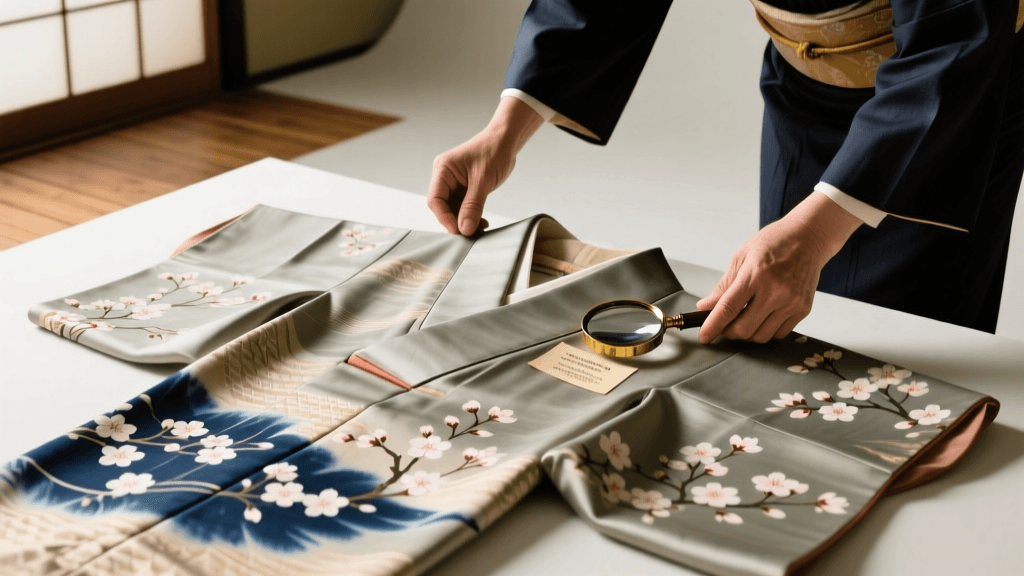
When we discuss traditional Japanese clothing, the conversation almost exclusively revolves around visual aesthetics: the vibrant dyes of Yuzen, the intricate metallic threads of Nishijin-ori, and the elegant drape of the silhouette. However, as we navigate the fashion landscape of 2026, there is a profound resurgence of interest in the multi-sensory experience of heritage garments. The true magic of the kimono lies not just in how it looks, but in how it feels against the skin and, perhaps most surprisingly, how it sounds.
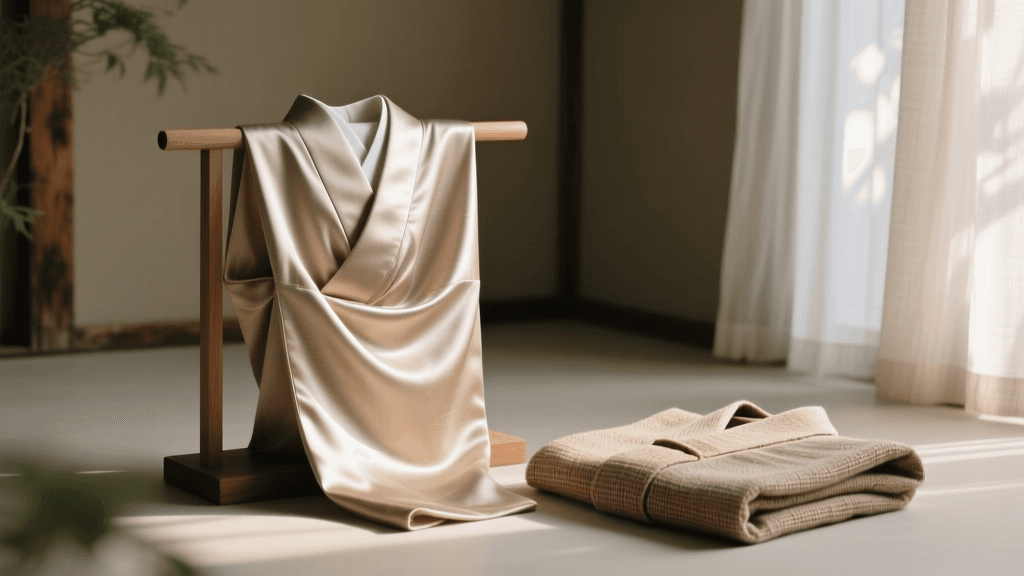
In Japanese aesthetic philosophy, the auditory experience of clothing is highly prized. The term kinu-zure translates literally to 'silk rubbing,' referring to the distinctive, high-frequency rustling sound produced when layers of silk kimono brush against one another. In an era where digital and synthetic fast-fashion dominate, the tangible, acoustic, and tactile realities of hand-woven Asian textiles offer a grounding, luxurious contrast. This guide explores the intricate sensory profiles of kimono fabrics, detailing how weaving techniques dictate both touch and sound, and how 2026 preservation technologies are keeping these sensory experiences alive.
Decoding the Acoustic Profiles of Kimono Textiles
The sound a garment makes is determined by its fiber content, the tightness of its weave, and the presence of any surface sizing or starch. Textile conservators and acoustic engineers studying heritage garments have categorized these sounds into distinct profiles that correspond to specific seasons and occasions.
Silk (Kinu) and the Famous 'Kinu-zure'
High-quality silk, particularly when woven in a tight taffeta weave known as shioze, produces a crisp, resonant rustle. This sound is achieved through the high friction coefficient of the sericin-coated silk fibers rubbing together. In formal settings, the kinu-zure of a trailing uchikake (wedding kimono) or a formal tomesode announces the wearer's presence with an elegant, whispering swish. According to historical textile analyses documented by the Metropolitan Museum of Art, the acoustic properties of Heian-period court garments were intentionally engineered to create a sensory environment of refined elegance, where the sound of silk was considered as poetic as its visual sheen.
Hemp (Asa) and Ramie: The Crisp Summer Rustle
For summer garments, silk is often replaced by bast fibers like hemp (asa) and ramie. Fabrics such as jofu (fine hemp) and kudzu-fu are woven with highly twisted yarns that create a stiff, board-like hand-feel. Acoustically, these fabrics produce a staccato, papery crinkle rather than a fluid swish. This crisp sound is psychologically associated with coolness and dryness, providing an auditory illusion of lower temperatures during Japan's sweltering, humid summers. The stiffness of the fabric also ensures it stands away from the body, allowing air to circulate.
Cotton (Momen) and Tsumugi: The Muted Whisper
Not all kimono fabrics are designed to be heard. Tsumugi (pongee silk) and traditional cotton (momen) are characterized by their slubbed, uneven yarns and looser weaves. These textiles absorb sound rather than reflecting it, resulting in a muted, soft acoustic footprint. Tsumugi, despite being made of silk, lacks the continuous filament smoothness required for kinu-zure. Instead, it offers a quiet, humble rustle that aligns perfectly with the understated, rustic elegance of wabi-sabi aesthetics and the subdued patterns of kasuri (ikat) weaving.
Tactile Sensations: Weaving Methods and Skin Feel
Beyond sound, the tactile interface between the textile and the wearer's skin is a hallmark of Japanese weaving mastery. The manipulation of yarn tension and weave structures creates an astonishing variety of textures.
Chirimen (Crepe): The Textured Landscape
Chirimen is a crepe fabric created by weaving untwisted warp threads with highly over-twisted weft threads. When the fabric is washed and the tension released, the weft threads shrink, creating a pebbled, bumpy surface. Tactilely, high-grade chirimen feels like fine sand or a soft, flexible massage against the skin. This texture not only feels luxurious but also prevents the fabric from clinging to the body, while its matte surface scatters light to produce deep, rich dye colors.
Ro and Sha: The Architecture of Air
Summer kimono rely on ro and sha, which are leno and gauze weaves, respectively. These techniques involve twisting warp threads around each other to create deliberate, structural gaps in the fabric. The tactile sensation is remarkably light, almost ethereal. Running your hand across a ro weave reveals a distinct ribbed texture, while sha feels smoother but entirely porous. As noted by conservation experts at the Victoria and Albert Museum, the structural integrity of these open-weave textiles requires immense skill, balancing transparency and fragility with the durability needed for garment construction.
Rinzu (Damask): The Heavy, Glossy Drape
For winter and formal wear, rinzu provides a heavy, buttery smoothness. This figured satin weave features a glossy, reflective surface that feels cool and liquid to the touch. The weight of the fabric provides a comforting, grounding pressure, while the smooth surface allows the inner linings to glide effortlessly during movement.
2026 Textile Preservation: Maintaining Sensory Integrity
Preserving the visual aspect of a kimono is only half the battle; maintaining its acoustic and tactile properties is the frontier of textile conservation in 2026. If silk becomes too dry, it loses its supple drape and its kinu-zure turns into a harsh, brittle crackle. If it is exposed to excess humidity, the fibers swell, muffling the sound and inviting mold.
In 2026, serious collectors and museums utilize smart tansu (traditional wooden chests) equipped with IoT hygrometers and micro-climate control systems. These systems maintain a strict relative humidity of 50-55% and a temperature of 18-20°C (64-68°F). Furthermore, modern conservationists use non-invasive acoustic spectrometry to test the 'sound health' of antique silks. By analyzing the frequency of the rustle, they can detect microscopic fiber degradation long before it becomes visible to the naked eye.
For everyday wearers, the 2026 best practice involves airing out kimono (mushiboshi) during the dry, crisp days of late autumn, while using unbleached, acid-free cotton storage wraps (tatou-shi) that allow the fibers to breathe without absorbing ambient odors or moisture.
Comparative Guide: Kimono Fabric Sensory Profiles
The following table summarizes the distinct sensory characteristics of the most prominent kimono textiles, serving as a quick reference for collectors, wearers, and designers in 2026.
| Fabric Type | Weave Technique | Acoustic Profile | Tactile Sensation | Optimal Season |
|---|---|---|---|---|
| Shioze (Silk Taffeta) | Plain, tight weave | High-pitch, resonant rustle (Kinu-zure) | Smooth, crisp, structured | Spring / Autumn |
| Chirimen (Silk Crepe) | Over-twisted weft | Muted, soft swish | Pebbled, textured, matte | Autumn / Winter |
| Jofu (Fine Hemp) | Plain, high-twist yarn | Staccato, papery crinkle | Stiff, crisp, cool | Summer |
| Ro (Leno Weave) | Twisted warp gaps | Nearly silent, airy | Ribbed, lightweight, porous | High Summer |
| Tsumugi (Pongee) | Slubbed yarn plain weave | Quiet, muffled whisper | Nubby, soft, rustic | Autumn / Winter |
| Rinzu (Silk Damask) | Figured satin weave | Heavy, fluid glide | Buttery, glossy, weighty | Winter |
The Future of Sensory Traditions
As we move further into 2026, the appreciation for the sensory dimensions of Asian traditional garments is expanding beyond historical reenactment and into contemporary lifestyle design. Modern weavers in Kyoto and Kanazawa are experimenting with blending traditional silk with ultra-fine, sustainably sourced metallic threads that introduce subtle new acoustic chimes to the kinu-zure, without sacrificing the historical integrity of the garment.
Understanding the texture and sound of kimono fabrics transforms the act of dressing from a mere visual presentation into a fully immersive, multi-sensory ritual. Whether it is the cooling crinkle of summer hemp or the poetic whisper of formal silk, these textiles remind us that true luxury is something that must be felt, heard, and experienced in its entirety.