Ceremonial vs Everyday Hanbok and Qipao Trends 2026
The Evolution of Asian Traditional Garments in 2026
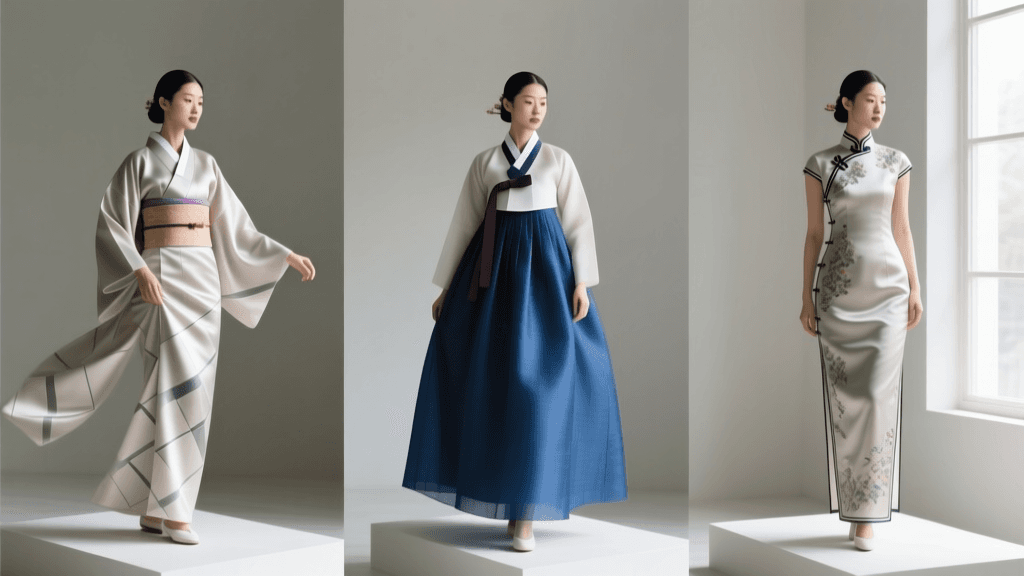
In 2026, the landscape of traditional Asian garments has reached a fascinating dichotomy. On one hand, we see the meticulous preservation of ceremonial wear—garments steeped in centuries of ritual, heavy with symbolism, and crafted from opulent materials. On the other hand, the everyday adaptations of these iconic silhouettes have exploded in popularity, driven by a global desire for cultural connection, sustainable fashion, and wearable heritage. For enthusiasts, collectors, and those looking to integrate traditional Asian dress into their modern wardrobes, understanding the distinct boundaries and overlapping trends between ceremonial and everyday wear is essential.
This comprehensive guide explores the nuances of the Korean Hanbok and the Chinese Qipao (also known as the Cheongsam), contrasting their grand ceremonial forms with their practical, daily-wear counterparts. Whether you are preparing for a traditional wedding or looking to elevate your daily street style, navigating the 2026 market requires an understanding of fabric weights, structural differences, and modern styling techniques.
Ceremonial Garments: Heritage, Heaviness, and High Cost
Ceremonial garments are designed to project status, honor tradition, and fulfill specific ritualistic requirements. They are rarely meant for ease of movement; instead, they prioritize visual impact, structural rigidity, and historical accuracy.
The Ceremonial Hanbok: Wonsam and Hwalot
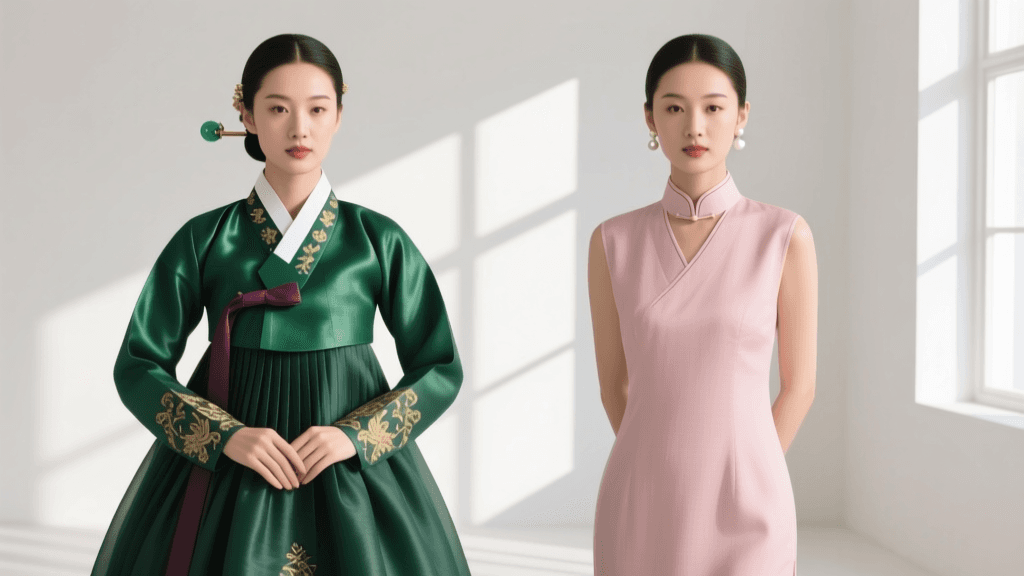
According to historical records documented by institutions like Britannica's cultural archives, the Korean Hanbok is characterized by its vibrant colors and simple lines without pockets. However, the ceremonial iterations, such as the Wonsam (a royal court robe) or the Hwalot (a bridal robe), are masterclasses in textile engineering. In 2026, authentic ceremonial Hanboks are constructed from heavy silk brocades and feature intricate geumbak (gold leaf stamping) or elaborate embroidery depicting peonies, phoenixes, and dragons.
- Structure: The ceremonial chima (skirt) is exceptionally voluminous, often requiring multiple layers of petticoats (sokchima) to achieve the bell-like silhouette. The jeogori (jacket) is longer than everyday versions, and the goreum (ribbon ties) are wide and heavily weighted.
- Weight and Comfort: A full bridal Hanbok ensemble can weigh between 8 to 12 pounds. The heavy silk and layered petticoats restrict rapid movement, enforcing a graceful, gliding gait.
- 2026 Pricing: Due to the rising cost of raw silk and the scarcity of master artisans, a custom-fitted, fully embroidered ceremonial Hanbok in 2026 ranges from $2,800 to $6,500 USD.
The Ceremonial Qipao: The Kwa and Bridal Brocade
The Qipao, while famous for its form-fitting 1930s Shanghai silhouette, has deep ceremonial roots, particularly in southern Chinese weddings where the Kwa (a two-piece ceremonial jacket and skirt set) is worn. As noted in the extensive textile collections at the Victoria and Albert Museum, these garments are heavily structured and laden with auspicious motifs.
- Structure: Ceremonial Qipaos and Kwas feature stiff, high mandarin collars, rigid inner linings, and entirely hand-knotted pankou (frog fasteners). The silhouette is often A-line or heavily flared to accommodate sitting during tea ceremonies.
- Embellishment: 2026 bridal trends heavily favor 3D metallic embroidery, seed pearl accents, and dense dragon-and-phoenix (longfeng) motifs woven directly into the heavy brocade.
- 2026 Pricing: Hand-embroidered ceremonial Qipaos from master tailors in Shanghai or Hong Kong currently command prices between $1,500 and $4,000 USD, with bespoke Kwa sets reaching upwards of $8,000.
Everyday Adaptations: The 2026 Renaissance of Daily Wear
While ceremonial wear remains locked in tradition, everyday garments have undergone a radical transformation. The 2026 fashion landscape champions 'quiet luxury' and functional heritage, leading to the rise of the Saenghwal Hanbok (daily life Hanbok) and the modernized daily Qipao.
Saenghwal Hanbok: Practicality Meets Elegance
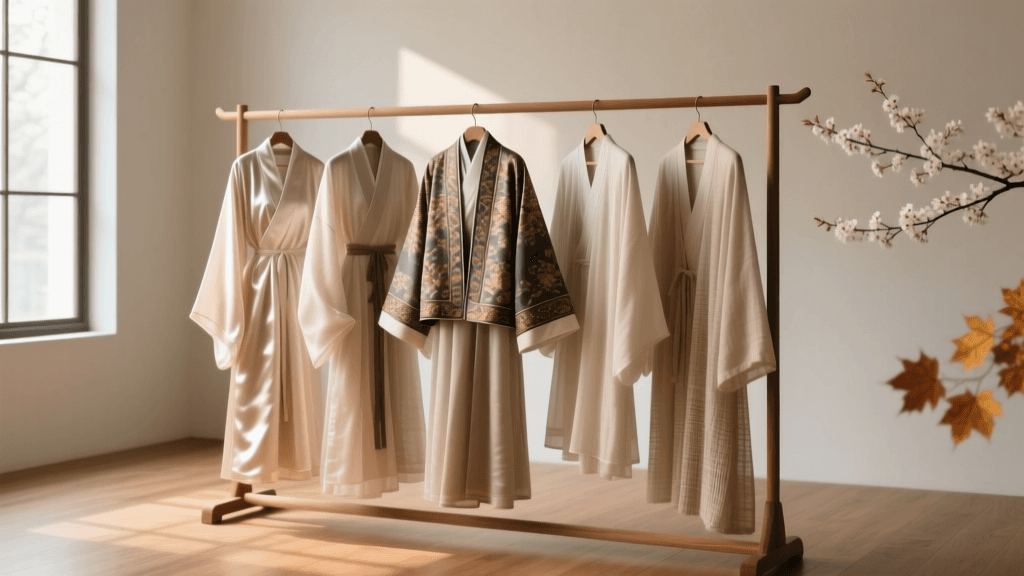
The Saenghwal Hanbok strips away the restrictive volume of its ceremonial counterpart. Designers in 2026 are utilizing organic linens, lightweight cottons, and even sustainable Tencel blends to create garments that survive the washing machine and the morning commute.
- Key Modifications: The chima is shortened to midi or knee-length, often featuring hidden side pockets and elasticized or snap-button waistbands instead of complex ties. The jeogori is simplified, sometimes merging with modern wrap tops or tailored blouses.
- Styling for 2026: It is incredibly popular to pair a linen Hanbok wrap skirt with a fitted, ribbed turtleneck or a crisp oversized poplin shirt, blending traditional Korean proportions with contemporary minimalism.
- 2026 Pricing: High-quality, ready-to-wear Saenghwal Hanbok sets are highly accessible, typically ranging from $80 to $250 USD.
The Daily Qipao: Fluidity and Modern Cut
The everyday Qipao of 2026 has moved away from the skin-tight, restrictive cuts of the mid-20th century. Today's daily wear focuses on fluidity, breathability, and subtle cultural nods rather than overt costume.
- Key Modifications: The high, stiff collar is often lowered or replaced with a soft, open V-neck featuring a single decorative pankou knot. Side slits are kept modest, and hidden back zippers replace the traditional, time-consuming frog fasteners.
- Fabric Innovation: 2026 sees a massive surge in 'peace silk' (ahimsa silk), washed ramie, and hemp blends. These fabrics drape beautifully, resist wrinkling, and offer superior breathability for urban summers.
- Styling for 2026: The 'Qipao top' is a staple. Wearing a cropped, linen Qipao top over high-waisted, wide-leg trousers or a flowing maxi skirt is a dominant street-style trend in major Asian metropolises this year.
- 2026 Pricing: Everyday Qipao dresses and tops are widely available from boutique online tailors, averaging between $60 and $180 USD.
Data Comparison: Ceremonial vs. Everyday Specifications
To help you make informed purchasing decisions, refer to the comparative table below detailing the structural and market differences between these garment categories in the current 2026 market.
| Feature | Ceremonial Hanbok / Qipao | Everyday Hanbok / Qipao |
|---|---|---|
| Primary Fabrics | Heavy silk brocade, satin, stiff organza | Linen, cotton, Tencel, lightweight ramie |
| Garment Weight | Heavy (4 to 12+ lbs with layers) | Lightweight (0.5 to 1.5 lbs) |
| Closure System | Hand-knotted pankou, complex ribbon ties | Hidden zippers, snaps, elastic waists |
| Maintenance | Professional dry clean only, specialized storage | Machine washable (gentle cycle) or hand wash |
| Avg. Price (2026) | $1,500 - $6,500+ USD | $60 - $250 USD |
| Lead Time | 3 to 6 months for bespoke tailoring | Ready-to-wear or 2-week custom sizing |
Practical Guide: Sourcing, Measuring, and Care in 2026
If you are looking to acquire these garments, the sourcing landscape in 2026 offers both digital convenience and traditional market experiences.
Where to Source
For ceremonial wear, bypass standard retail and seek out heritage ateliers. In Seoul, the boutiques surrounding the Changdeokgung Palace offer bespoke services where master tailors take over 20 distinct measurements. For the Qipao, Shanghai's South Bund Fabric Market remains a hub, though in 2026, many buyers prefer verified digital ateliers that use AI-assisted body scanning via smartphone apps to guarantee a flawless, custom fit without the need for international travel.
Crucial Measurements
When ordering everyday adaptations online, precise measurements are vital. For the Qipao, the high hip and apex bust measurements are critical to ensure the side slits do not pull and the darts sit correctly. For the Hanbok, the arm span (from wrist to wrist) and the underbust (where the chima sits) are far more important than standard waist measurements, as the traditional silhouette bypasses the natural waist entirely.
Garment Care and Longevity
Pro Tip for 2026: Never hang a heavy ceremonial silk Qipao or Hanbok on a standard wire hanger. The weight of the embroidery will distort the shoulder seams over time. Always store ceremonial pieces flat in acid-free tissue paper, folded with the embroidery facing inward to protect the metallic threads from oxidation.
Everyday linen and cotton pieces, however, thrive on regular use. Wash your Saenghwal Hanbok skirts in cold water with a pH-neutral detergent to preserve the natural fibers, and air dry them in the shade to prevent UV fading. Ironing should always be done on the reverse side using a steam setting to maintain the fabric's natural slub and texture.
Conclusion: Honoring the Past, Dressing for the Present
The distinction between ceremonial and everyday Asian traditional garments is not merely a matter of formality; it is a reflection of how culture breathes and adapts. The heavy, ornate robes of the past serve as vital anchors to history, demanding reverence and preserving ancient techniques. Meanwhile, the 2026 iterations of the Saenghwal Hanbok and the daily Qipao prove that heritage is not a static museum exhibit. By understanding the fabrics, structures, and styling rules of both realms, you can build a wardrobe that honors centuries of Asian artistry while seamlessly navigating the demands of modern life.