Kimono Fabric Sound & Texture: A Sensory Guide 2026
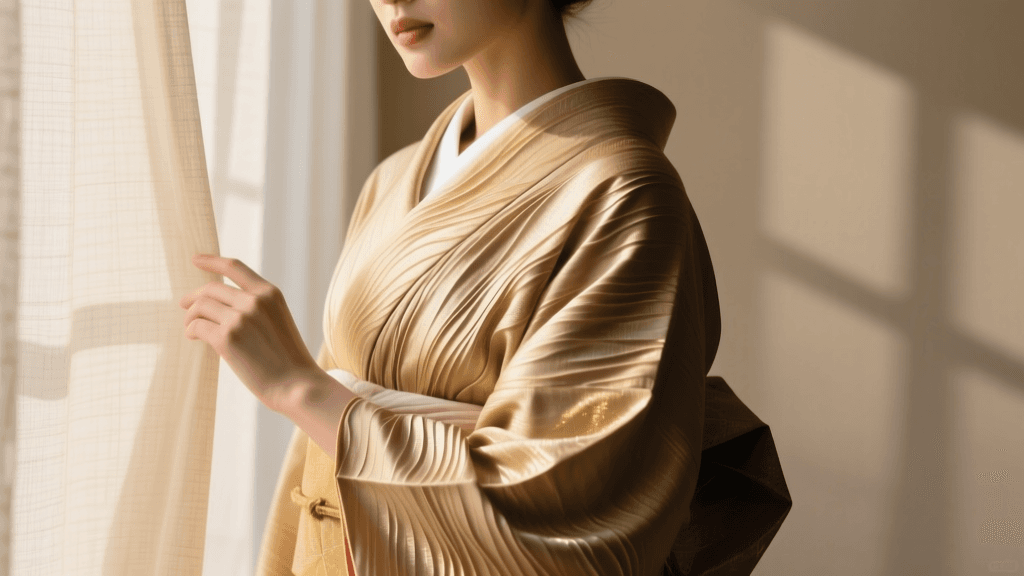
The Hidden Language of Kimono Textiles
When we think of the traditional Japanese kimono, our minds immediately gravitate toward its breathtaking visual aesthetics: the vibrant dyes of Nishijin-ori, the delicate hand-painted motifs of Kyo-yuzen, and the elegant drape of the obi. However, in 2026, as the global slow-fashion movement places a renewed emphasis on sensory grounding and mindful dressing, connoisseurs are looking beyond the visual. The true magic of the kimono lies in its auditory and tactile profiles. The experience of wearing a kimono is a full-body sensory immersion, defined by the friction of silk, the weight of the weave, and the distinct, rhythmic sounds produced with every step.
This auditory phenomenon is known in Japanese as kinugoshi (衣擦れ), which translates literally to the 'rustling of clothes.' Historically, this sound was not merely a byproduct of movement; it was an intentional element of elegance. Court ladies in the Heian period and later geisha in the Edo period utilized the subtle rustle of their layered silk garments to announce their presence gracefully before they even entered a room. Today, understanding the acoustic and tactile properties of kimono fabrics is essential for collectors, practitioners, and fashion historians seeking an authentic connection to Japanese heritage.
The Physics of the Rustle: Sericin and Thread Twist
To understand why a kimono 'speaks,' we must look at the microscopic structure of silk. Raw silk threads are coated in sericin, a natural protein gum that protects the fibroin core. This sericin coating is slightly stiff and creates a high-friction surface. When two sericin-coated threads rub against each other, they produce a crisp, resonant rustle. According to The Metropolitan Museum of Art's Heilbrunn Timeline of Art History, the mastery of Japanese textile weaving has always relied on manipulating these natural properties of silk to achieve specific aesthetic and functional outcomes.
The volume and pitch of the kinugoshi are heavily dictated by the twist of the yarn. Fabrics that utilize highly twisted yarns create a textured surface with more peaks and valleys, increasing the friction and, consequently, the volume of the rustle. Conversely, fabrics woven with flat, untwisted threads glide silently against one another. This interplay between twist, weave, and sericin content forms the foundation of the kimono's sensory experience.
Tactile and Auditory Profiles: Chirimen, Tsumugi, and Rinzu
Not all silks are created equal. The sensory experience of wearing a kimono shifts dramatically depending on the specific textile chosen. In 2026, the most sought-after garments for sensory enthusiasts fall into three primary categories, each offering a unique dialogue between the wearer and the fabric.
Chirimen (Crepe Silk)
Chirimen is the undisputed king of kinugoshi. This fabric is woven using yarns that are twisted up to 3,000 times per meter. The weaver alternates between S-twisted and Z-twisted yarns in the weft, which, when the fabric is washed and the sericin shrinks, creates a distinct, bumpy texture known as shibo. Tactilely, chirimen feels dry, pebbled, and incredibly resilient. Audibly, it produces a loud, crisp, and rhythmic rustle. The high friction of the shibo texture means that every movement is accompanied by a satisfying, papery crunch that grounds the wearer in the present moment.
Tsumugi (Pongee Silk)
Tsumugi offers a vastly different, more rustic sensory experience. Originally woven from 'waste' silk or silk floss rather than continuous filaments, tsumugi yarns are slubby, uneven, and matte. The tactile sensation is earthy, warm, and slightly rough, reminiscent of raw linen but with the insulating properties of silk. The sound of tsumugi is softer and more muted than chirimen—a gentle, muffled swish that speaks of rural heritage and understated luxury. The Ministry of Economy, Trade and Industry (METI) designates regional tsumugi weaves like Yuki-tsumugi as National Traditional Crafts, highlighting their enduring cultural and material significance.
Rinzu (Damask Silk)
For those who prefer a silent, fluid experience, rinzu is the textile of choice. Rinzu is a satin-weave damask where the background and the pattern are created by contrasting weave structures rather than dyes. Because the satin weave allows long, untwisted silk floats to rest on the surface, rinzu is exceptionally smooth, cool to the touch, and highly reflective. Audibly, rinzu is nearly silent. It glides over the skin and undergarments with a liquid grace, making it the preferred choice for formal, ceremonial wear where quiet dignity is paramount.
Sensory Comparison Chart: 2026 Textile Guide
To help collectors and wearers select the right garment for their desired sensory experience, we have compiled a comprehensive comparison of the primary kimono textiles available in the 2026 market.
| Fabric Type | Weave Technique | Sound Profile | Tactile Sensation | Ideal 2026 Use Case |
|---|---|---|---|---|
| Chirimen | Alternating high-twist weft | Loud, crisp rustle | Pebbled, dry, high friction | Tea ceremony, autumn/winter fashion |
| Tsumugi | Plain weave, slubby spun silk | Soft, muffled swish | Earthy, warm, slightly rough | Casual outings, gallery visits, travel |
| Rinzu | Satin damask weave | Nearly silent glide | Smooth, cool, liquid drape | Weddings, formal ceremonies |
| Ro / Sha | Leno weave (open gaps) | Breezy, light flutter | Crisp, airy, textured mesh | Summer festivals, July/August wear |
| Hakata-ori | Thick weft, tight warp | Heavy, rhythmic swoosh | Stiff, thick, structured | Obi belts, hakama trousers |
The Role of Layering and the Hakama in Sound Amplification
The sound of a kimono is never produced by a single layer of fabric. The traditional kitsuke (dressing) method involves multiple layers that interact acoustically. The nagajuban (under-kimono) rubs against the inner lining of the outer kimono, creating a foundational baseline of friction. Furthermore, the hakkake (the decorative lining at the hem of the kimono) is often made of a different silk weight, creating a complex, multi-tonal rustle as the hem sweeps the floor.
Perhaps the most dramatic acoustic element of Japanese traditional dress is the hakama. These pleated, wide-legged trousers, traditionally worn by samurai and now by martial artists and graduating students, are constructed from stiff, heavily sized silk or modern synthetic blends. The deep pleats act like acoustic bellows. With every step, the hakama forces air out and draws it in, producing a deep, rhythmic 'swoosh' that commands attention and demands a measured, deliberate walking pace.
Sourcing Authentic Sensory-Rich Kimonos in 2026
As the appreciation for tactile and acoustic fashion grows in 2026, sourcing authentic, hand-woven textiles has become a priority for serious collectors. Mass-produced, machine-woven silks often lack the sericin content and precise tension required to produce a true kinugoshi. To experience the authentic rustle of chirimen, buyers should look to the Tango region in Kyoto, which produces over 60% of Japan's silk crepe. For the earthy swish of tsumugi, the city of Yuki in Ibaraki Prefecture remains the gold standard.
Pricing in 2026 reflects the intense labor required to produce these sensory masterpieces. A brand-new, hand-woven Yuki-tsumugi kimono, complete with the delicate hand-tied kasuri (ikat) patterns, typically starts around ¥350,000 (approximately $2,300 USD) and can easily exceed ¥1,000,000 for master-level pieces. Vintage chirimen kimono from the mid-Showa period, however, can be found in specialized Tokyo and Kyoto antique markets for between ¥15,000 and ¥50,000, offering an accessible entry point for those wishing to experience the acoustic magic of vintage silk.
Caring for Textured Silks to Preserve Their 'Voice'
The sensory properties of a kimono are fragile. Improper cleaning can strip the silk of its natural sericin, leaving the fabric limp, overly soft, and completely silent. In 2026, the traditional arai-hari method—where the kimono is completely unstitched, washed in specialized solutions, stretched on bamboo frames, and resewn—remains the gold standard for preservation. Modern eco-friendly dry-cleaning solvents have improved, but they must be specifically formulated to preserve the sericin coating.
Collectors are advised to avoid standard commercial dry cleaners, which often use harsh perc (perchloroethylene) that degrades the silk's acoustic friction. Instead, seek out certified kimono care specialists who utilize liquid silicone or specialized hydrocarbon solvents that clean the fibers while maintaining the structural integrity of the shibo texture. Proper storage in breathable, acid-free tatoushi paper, combined with regular airing in dry, shaded environments, ensures that the fabric retains its crispness and its voice for generations.
The Zen of Dressing: Mindfulness Through Touch and Sound
Ultimately, the sensory experience of the kimono is an exercise in mindfulness. In an era dominated by digital noise and fast, disposable fashion, the act of wrapping oneself in layers of chirimen or tsumugi forces a deceleration of the body and mind. The physical weight of the obi, the restrictive elegance of the hemline, and the constant, gentle auditory feedback of the silk rustling against itself create a meditative state. The kimono does not merely clothe the body; it tunes the wearer's senses, transforming the simple act of walking into a resonant, living poetry.