Top Chinese Fashion Blogs Reviving Hanfu Dyes in 2026
The New Era of Chinese Digital Fashion Journalism
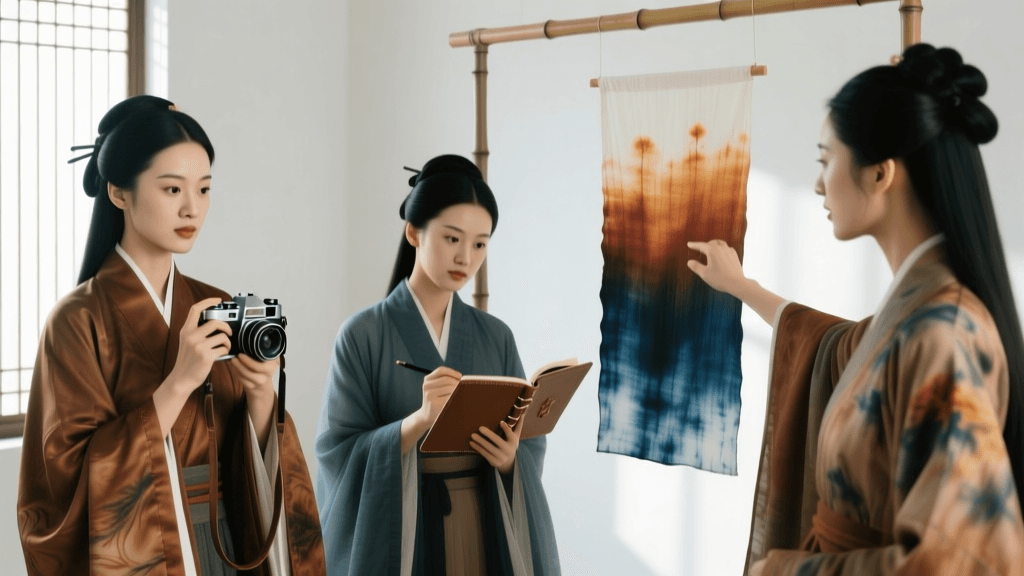
In 2026, the landscape of Chinese fashion journalism has fundamentally shifted from the glossy pages of traditional magazines to the immersive, hyper-detailed digital ecosystems of Xiaohongshu (Little Red Book), Weibo, and Bilibili. Today's leading Chinese fashion content creators are not merely influencers; they are investigative journalists, cultural anthropologists, and textile archivists. As the global appetite for sustainable, heritage-driven fashion accelerates, these digital journalists are turning their lenses toward the intricate, centuries-old dyeing and weaving techniques of traditional Hanfu and regional ethnic garments. This new wave of content creation bridges the gap between ancient material science and modern digital storytelling, offering unprecedented access to the artisans keeping these traditions alive.
Xiangyunsha and Natural Dyes: The 2026 Creator Focus
The crown jewel of the 2026 traditional textile revival is Xiangyunsha, also known as gambiered Canton gauze. Originating from the Guangdong province, this luxurious silk is dyed using the juice of the yam (Dioscorea cirrhosa) and coated with the iron-rich mud of the Pearl River Delta. Chinese fashion bloggers are now producing long-form video essays and deeply researched articles detailing the exact 45-day fermentation process required for the mud, the specific pH balances of the yam juice, and the precise UV exposure needed during the sun-drying phases.
According to the China National Silk Museum, the preservation of these intangible cultural heritage techniques relies heavily on modern documentation. Creators are using macro-photography to capture the crystallization of the mud-silk reaction, providing audiences with a microscopic view of the textile's structural integrity. Furthermore, natural indigo dyeing (using Polygonum tinctorium) from Guizhou province is being heavily documented. Bloggers are tracking the oxidation process of the indigo vats, educating their followers on how to distinguish between authentic, multi-dipped plant indigo and synthetic chemical alternatives that flooded the market in the early 2020s.
Equipment and Methodologies of Digital Journalists
The production value of Chinese fashion journalism in 2026 rivals that of major international broadcast networks. Top creators utilize 8K mirrorless cameras with specialized macro lenses to capture the microscopic interlocking of silk threads in Kesi tapestries. Drone photography is routinely employed to document the vast, geometric layouts of sun-drying fields in Guangdong, where hundreds of meters of Xiangyunsha are laid out over the grass. Furthermore, journalists use portable spectrophotometers to measure the exact colorfastness and RGB values of natural indigo batches, providing empirical data to their readers to prove the authenticity of the dyes. This scientific approach to fashion journalism bridges the gap between aesthetic appreciation and material science.
Leading Digital Journals and Creator Archetypes in 2026
To understand the breadth of this movement, one must look at the specialized blogs and creator collectives driving the narrative. These entities combine rigorous fashion journalism with e-commerce and cultural preservation. Below is a breakdown of the primary archetypes dominating the space this year.
| Blog / Creator Focus | Platform | Primary Textile | Journalistic Approach |
|---|---|---|---|
| The Loom & Lotus Journal | WeChat / Substack | Yunjin Brocade | Supply chain transparency and artisan economic profiling |
| Indigo Archive Collective | Bilibili | Guizhou Plant Indigo | Long-form documentary filmmaking and chemical analysis |
| Canton Gauze Daily | Xiaohongshu | Xiangyunsha Silk | Micro-photography, GI verification, and styling guides |
| Dynasty Weave Tech | Weibo / Zhihu | Song Dynasty Kesi | AI-assisted pattern reconstruction and historical fact-checking |
The Economics of Artisan Cooperatives
A major focus for investigative fashion bloggers in 2026 is the economic empowerment of rural artisan cooperatives. Historically, the profits from luxury traditional textiles were captured by urban middlemen. Today's digital journalists actively expose these exploitative supply chains and instead direct their audiences to WeChat mini-programs owned directly by the village cooperatives. By publishing transparent cost-breakdowns—detailing the price of raw mulberry silk, the labor hours of the weavers, and the cost of natural dye materials—these bloggers have established a new standard of ethical fashion consumption. A single, hand-woven Yunjin brocade jacket can retail for upwards of 15,000 RMB, but the journalistic transparency ensures that consumers understand exactly how those funds support the survival of the craft.
How Xiaohongshu and Bilibili are Shaping the Narrative
Platforms like Xiaohongshu have introduced specialized 'Heritage Tags' in 2026, allowing fashion journalists to categorize their deep-dive reviews by dynasty, weaving technique, and geographical indication (GI). A prominent trend this year is the 'Artisan Interview' series, where creators travel to remote villages in Yunnan and Fujian to interview the elderly masters of brocade weaving. These are not superficial vlogs; they are heavily edited, subtitled, and fact-checked journalistic pieces that often include transcripts of oral histories regarding pattern symbolism.
Meanwhile, Bilibili serves as the hub for long-form documentary journalism. Here, creators publish 40-minute investigative reports on the supply chain of traditional silk, exposing unethical middlemen and highlighting cooperatives that pay fair wages to rural weavers. This level of transparency has built immense trust with the Gen Z and Millennial demographics, who are willing to pay premium prices when the journalistic provenance is verified.
The 2026 Tech Intersection: AI and Traditional Weaves
A fascinating development in Chinese fashion journalism this year is the integration of AI-assisted pattern translation. Top blogs are collaborating with computer science departments to use machine learning algorithms that scan fragmented Ming and Song dynasty textile relics. The AI predicts the missing weave structures, and the journalists document the process of master weavers bringing these digitally reconstructed patterns back to life on traditional wooden drawlooms. This intersection of ancient craft and cutting-edge technology provides a compelling narrative that resonates with both tech-savvy readers and traditional fashion purists.
Actionable Advice for Engaging with Traditional Fashion Journalism
For international readers, researchers, and sustainable fashion buyers looking to leverage this wealth of Chinese digital journalism, navigating the ecosystem requires a strategic approach. Here is how you can effectively engage with and verify the content produced by these creators:
- Verify Geographical Indications (GI): When a blog reviews a traditional textile, cross-reference their claims with China's official GI registry. Authentic Xiangyunsha must originate from specific districts in Foshan. Reputable journalists will always link to the GI certification in their articles.
- Follow the Supply Chain Investigations: Prioritize reading content from creators who publish their 'maker interviews.' As highlighted by cultural reports on platforms like Sixth Tone's Culture section, the most reputable fashion journalists always disclose the exact village and artisan cooperative responsible for the garment.
- Utilize Translation Tools for Niche Terminology: Traditional weaving terms do not always translate directly. Use specialized glossaries provided by institutions like the Vogue Business consumers hub or academic databases to understand the difference between 'Kesi' (cut silk tapestry) and 'Yunjin' (cloud brocade).
- Engage with the Comment Sections: The comment sections of top Xiaohongshu heritage posts are often moderated by textile historians. Engaging in these discussions can lead to direct connections with independent weaving studios that do not have international storefronts.
The Global Runway Impact
The rigorous documentation by Chinese fashion bloggers has not gone unnoticed by global luxury houses. In 2026, several European fashion houses have cited specific Xiaohongshu investigative threads as inspiration for their sustainable textile sourcing. By treating traditional garments not merely as costumes but as complex, engineered marvels of natural chemistry and mathematics, Chinese fashion journalism has elevated Hanfu and regional textiles to the highest echelons of global fashion discourse. The meticulous reporting on natural eco-friendly dyeing methods has provided a blueprint for Western brands attempting to transition away from toxic synthetic dyes, proving that the ancient wisdom of Asian traditions holds the key to the future of sustainable global fashion.