Geta & Zori Craft: Traditional Japanese Footwear Guide 2026
The Resurgence of Heritage Footwear in 2026
In 2026, the global fashion landscape has seen a profound shift toward sustainable, heritage-driven garments, bringing traditional Japanese footwear back into the spotlight. Far from being mere historical relics, geta (wooden clogs) and zori (flat woven sandles) are experiencing a renaissance among modern consumers who value artisanal craftsmanship, natural materials, and ergonomic design. As fast fashion faces intense scrutiny, the meticulous craft of Japanese footwear offers a sustainable alternative rooted in centuries of tradition.
Whether you are a collector of Asian traditional garments, a practitioner of Zen spirituality seeking grounding footwear, or a fashion enthusiast integrating heritage pieces into contemporary wardrobes, understanding the anatomy, craftsmanship, and care of geta and zori is essential. This comprehensive guide explores the artisanal techniques defining traditional Japanese footwear in 2026, providing actionable advice on selection, fitting, and preservation.
The Anatomy of Traditional Japanese Footwear
To appreciate the craft, one must first understand the structural components that differentiate Japanese footwear from Western counterparts. Both geta and zori share the foundational hanao (thong), but their bases serve entirely different functional and aesthetic purposes.
Geta: The Elevated Wooden Clog
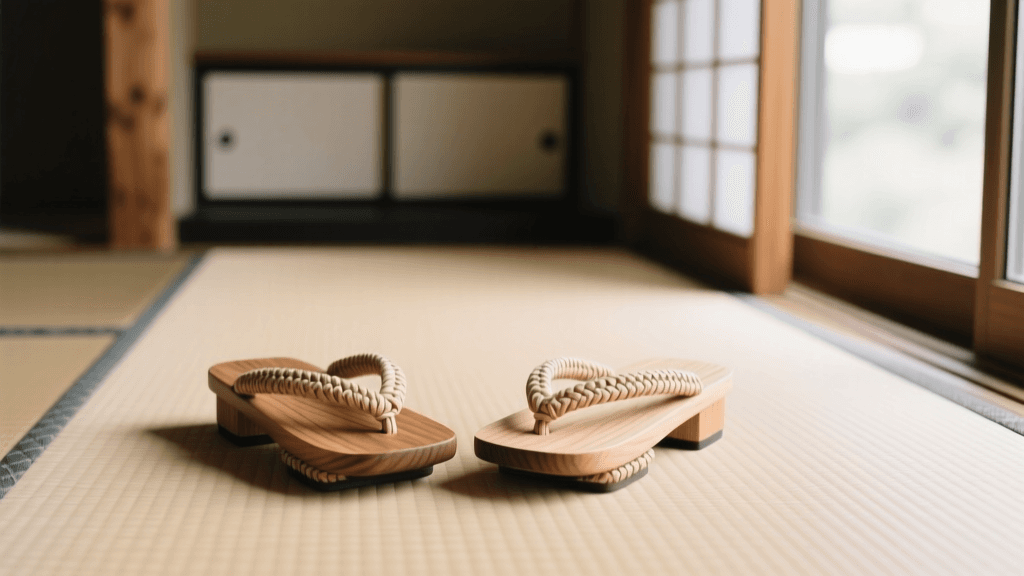
Geta are characterized by their elevated wooden base, designed to keep the wearer's feet and kimono hems clean from mud and snow. The anatomy of a geta includes:
- Dai (Base): The main wooden board. Premium artisanal geta in 2026 are predominantly carved from Kiri (paulownia wood), prized for its lightweight nature, resistance to warping, and beautiful pale grain.
- Ha (Teeth): The supporting blocks underneath the dai. While two teeth are standard, specialized styles like the tengu-geta feature a single centered tooth, requiring immense core strength and balance to wear.
- Hanao (Thong): The fabric strap that secures the foot. Artisans hand-braid these using cotton, silk, or modern sustainable hemp blends, ensuring they stretch and mold to the wearer's foot over time.
Zori: The Flat, Woven Sandal
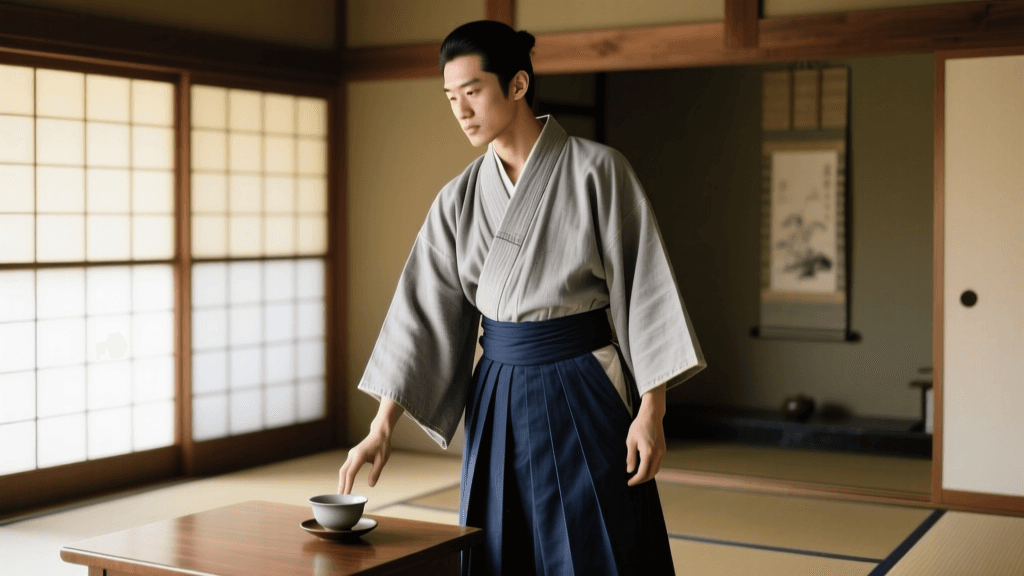
Zori are flat, slip-on sandals traditionally worn with formal attire, such as the kimono or hakama. The defining feature of a traditional zori is the tatami-omote, a woven surface made from igusa (Japanese soft rush grass). This material is identical to that used in tatami mats, offering natural moisture-wicking properties that keep feet cool and dry during humid summers. Modern 2026 iterations also incorporate ethically sourced leather, cork, and woven vinyl for varied weather resistance.
Artisanal Craftsmanship and Preservation in 2026
The creation of authentic geta and zori is a highly specialized discipline. According to the Association for the Promotion of Traditional Craft Industries, the preservation of these techniques is vital to maintaining Japan's intangible cultural heritage. In workshops across Asakusa (Tokyo) and Kyoto, master artisans utilize traditional kanna (hand planes) and nomi (chisels) to shape the paulownia wood without the use of power sanders, ensuring the wood's cellular structure remains intact and water-resistant.
The harvesting of igusa rush grass, primarily in Kumamoto Prefecture, has also seen a technological and ecological evolution in 2026. With climate shifts affecting crop yields, artisanal cooperatives have implemented advanced soil-management techniques to ensure the rush grass retains its signature aroma and structural integrity. The Agency for Cultural Affairs, Japan continues to support these regional cooperatives, recognizing the cultivation and weaving of igusa as a protected heritage craft essential to the survival of the zori industry.
Material Comparison: Choosing the Right Footwear
Selecting the appropriate material depends on your intended use, climate, and stylistic preferences. Below is a comparison of the primary materials used in 2026 traditional footwear manufacturing.
| Material | Best Used For | Durability | Maintenance Level | 2026 Market Trend |
|---|---|---|---|---|
| Paulownia (Kiri) Wood | Geta bases, casual to semi-formal wear | High (if kept dry) | Medium (requires occasional sanding) | Surging demand for raw, unlacquered finishes |
| Igusa (Woven Rush) | Zori surfaces, indoor and dry outdoor use | Medium (2-3 years of regular use) | High (must avoid moisture) | Highly prized for authentic tea ceremony attire |
| Setta (Leather-Soled Zori) | Formal events, outdoor durability | Very High | Low (standard leather care) | Popular among men for hakama ensembles |
| EVA / Synthetic Resin | Festival wear, rainy weather | Extremely High | Very Low (wipe clean) | Growing in eco-conscious recycled variants |
Sizing, Fitting, and the Art of the Hanao
One of the most common mistakes Western consumers make when purchasing traditional Japanese footwear is applying Western sizing logic. In 2026, bespoke and artisanal workshops adhere strictly to traditional fitting philosophies.
The 'Overhang' Rule
Unlike Western shoes that enclose the foot, geta and zori are designed to be slightly smaller than the wearer's actual foot length. The correct fit dictates that the heel should overhang the back edge of the dai or base by approximately 1 to 2 centimeters. This overhang, known as kakato ga deru, shifts the wearer's center of gravity forward, promoting a natural, gliding walking gait that prevents the hem of a kimono from catching on the back of the footwear.
Adjusting the Hanao
The hanao should hold the foot securely without causing friction between the toes. Artisanal geta feature a knot system underneath the wooden base, allowing for micro-adjustments. If the thong feels too loose, you can access the bottom of the geta, untie the central knot, and pull the fabric straps tighter before re-securing them. In 2026, many premium brands include a specialized hanao-yose (thong-pulling tool) in the box to assist with this adjustment without damaging the delicate silk or cotton braids.
Care, Maintenance, and Preservation
Proper maintenance ensures that artisanal geta and zori can last for decades. Because these items are crafted from organic, porous materials, they require specific environmental conditions and care routines.
Caring for Paulownia Wood
Paulownia is naturally resistant to rot, but it can stain if exposed to prolonged moisture or mud. If your unlacquered geta become scuffed or stained, do not use chemical wood cleaners. Instead, use a piece of fine-grit sandpaper (120 to 220 grit) and gently sand the surface in the direction of the wood grain. This removes the stained top layer and reveals fresh, fragrant wood underneath. Always store wooden geta in a well-ventilated area away from direct sunlight to prevent the wood from cracking.
Preserving Tatami-Omote (Rush Weaving)
Zori with igusa surfaces are highly susceptible to water damage and mold. Never wear traditional rush zori in the rain. If they do become damp, wipe them immediately with a dry, soft cloth and allow them to air dry in a shaded, breezy area. To maintain the vibrant green color and fresh aroma of the rush grass, gently wipe the surface with a cloth lightly dampened with cooled, brewed green tea (which contains natural tannins that protect the fibers) once every few months.
Conclusion: Stepping into Tradition
The craft of geta and zori represents a harmonious intersection of functionality, natural materiality, and profound cultural heritage. As we navigate the fashion landscape of 2026, supporting artisanal workshops and embracing the traditional fitting and care methods of Japanese footwear not only elevates our personal style but also actively participates in the preservation of ancient Asian traditions. Whether stepping onto the wooden floors of a Zen temple or navigating the bustling streets of a modern metropolis, a well-crafted pair of geta or zori connects the wearer to centuries of mindful craftsmanship.