Hanfu Fabric Drape and Comfort Analysis: 2026 Textile Guide
The Evolution of Hanfu Textiles in 2026
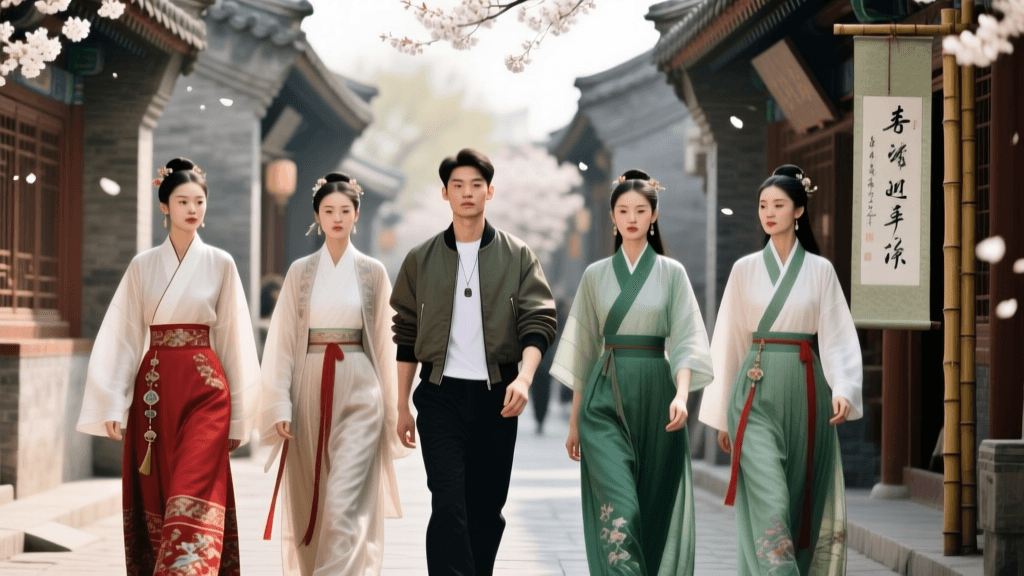
The global Hanfu movement has transitioned from a niche historical reenactment hobby into a mainstream daily fashion staple by 2026. As enthusiasts increasingly integrate traditional Chinese garments into their everyday wardrobes, the demand for textiles that offer both historical authenticity and modern comfort has skyrocketed. At the heart of this evolution is the science of fabric drape and tactile comfort. Understanding how different fibers behave when cut, pleated, and worn is essential for achieving the elegant, flowing silhouettes characteristic of Hanfu.
In this comprehensive 2026 analysis, we examine the physics of fabric drape, compare traditional fibers like mulberry silk and ramie against cutting-edge 2026 smart-blends, and provide actionable guidance on selecting the perfect textile for specific Hanfu styles.
Understanding Fabric Drape in Traditional Chinese Garments
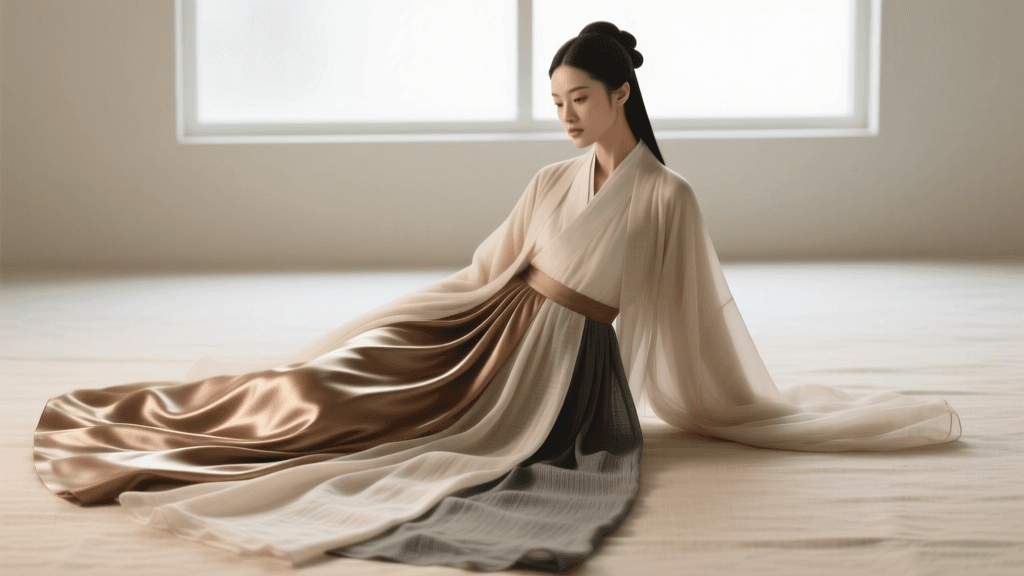
Drape, or xuíchuíxìng (悬垂性) in Chinese textile terminology, refers to the way a fabric hangs and folds under its own weight. In Hanfu, drape is not merely an aesthetic choice; it is a structural necessity. Unlike Western tailoring, which often relies on darts, seams, and rigid interfacing to create shape, Hanfu relies on the natural fall of the fabric to create volume, movement, and grace.
The Physics of the Silhouette
The drape coefficient of a fabric is typically measured using a Cusick Drape Meter, a standard recognized by global textile authorities. According to the AATCC test methods, a lower drape coefficient indicates a stiffer fabric that holds its shape, while a higher coefficient signifies a fluid, clingy material. For Hanfu, the ideal drape coefficient varies wildly depending on the garment. A flowing Song dynasty Beizi (open-front jacket) requires a high drape coefficient to cascade elegantly over the body, whereas a structured Ming dynasty Mamianqun (horse-face skirt) requires a lower coefficient to maintain its crisp, knife-pleated structure.
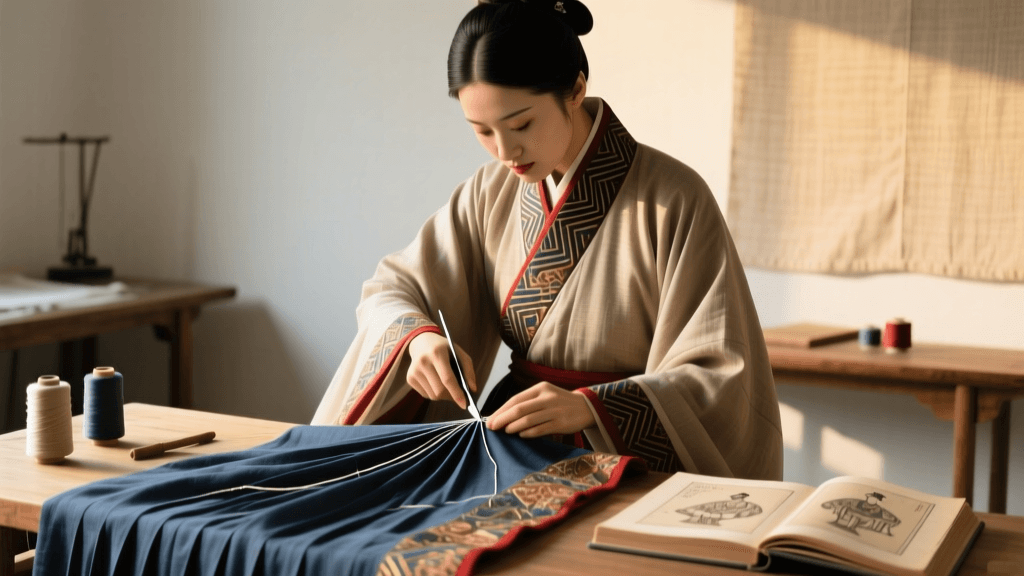
Furthermore, the weight of the fabric, measured in grams per square meter (GSM), interacts with the bias cut. Traditional Hanfu patterns utilize straight-grain cutting, meaning the fabric's natural warp and weft threads dictate how it moves. In 2026, textile engineers have developed specialized weaves that mimic the fluid bias-cut drape of modern fashion while maintaining the historical straight-grain construction of traditional Hanfu.
Traditional Fibers vs. 2026 Smart-Blends
Historically, Hanfu was constructed from natural fibers available in ancient China. Today, we have the benefit of combining these historical materials with modern textile engineering.
Mulberry Silk (Sang Can Si)
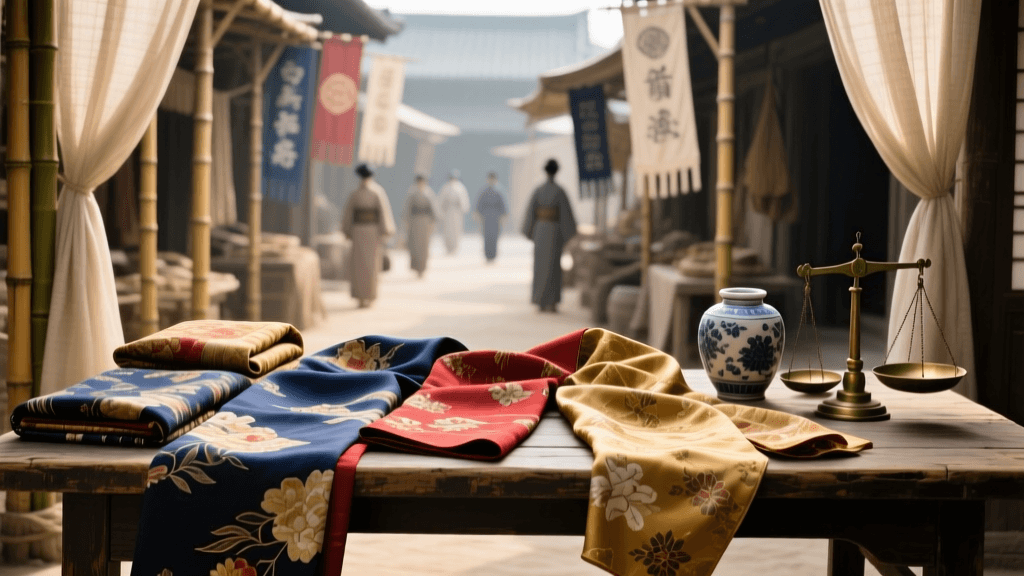
Silk is the undisputed queen of Hanfu textiles. As documented by the Metropolitan Museum of Art, silk production has been a cornerstone of Chinese culture and trade for millennia. In 2026, the most popular silk weaves for Hanfu are Charmeuse and Crepe de Chine. Charmeuse offers a brilliant, reflective sheen and a heavy, liquid drape, making it ideal for formal Ruqun sets. However, pure silk is notoriously delicate, prone to water spotting, and requires meticulous dry-cleaning. It also lacks the structural memory needed for heavily pleated skirts.
Ramie (Xia Bu)
Ramie, often referred to as 'China grass,' is the premier choice for summer Hanfu. It is highly breathable, moisture-wicking, and naturally resistant to bacteria. However, traditional 100% ramie is notoriously stiff and prone to severe wrinkling. While this stiffness is excellent for maintaining the shape of a Mamianqun, it can be uncomfortable against the skin for everyday wear, leading to friction and chafing in humid climates.
The 2026 Smart-Blend Revolution: Cupro and Tencel
The most significant breakthrough in the 2026 Hanfu market is the widespread adoption of smart-blend textiles. Manufacturers are now blending traditional fibers with regenerated cellulose fibers like Cupro and Tencel. Lenzing Tencel, derived from sustainably sourced wood pulp, has become a favorite among modern Hanfu designers. When blended with ramie or silk, Tencel drastically improves the fabric's softness and drape while retaining the breathability of the natural fiber. These 2026 smart-blends are machine-washable, wrinkle-resistant, and offer a luxurious, heavy drape that mimics high-end silk at a fraction of the cost and environmental impact.
Comprehensive Hanfu Fabric Drape & Comfort Table
To help you make informed purchasing decisions, we have compiled a comparative analysis of the most popular Hanfu fabrics available in the 2026 market.
| Fabric Type | Composition | Weight (GSM) | Drape Coefficient | Breathability | Best Hanfu Style | 2026 Avg Cost/Meter |
|---|---|---|---|---|---|---|
| Heavy Charmeuse Silk | 100% Mulberry Silk | 120-140 | High (Fluid) | Medium | Formal Ruqun, Pibo | $45 - $65 USD |
| Pure Ramie | 100% Ramie | 150-180 | Low (Stiff) | Very High | Mamianqun, Outerwear | $20 - $30 USD |
| Silk-Tencel Blend | 60% Silk, 40% Tencel | 110-130 | Medium-High | High | Beizi, Song Pants | $35 - $50 USD |
| Ramie-Cupro Blend | 50% Ramie, 50% Cupro | 140-160 | Medium | Very High | Everyday Mamianqun | $25 - $40 USD |
| Jacquard Brocade | Polyester/Viscose Mix | 200-250 | Very Low (Rigid) | Low | Winter Aoqun, Jackets | $30 - $55 USD |
Matching Fabric to Specific Hanfu Styles
Selecting the correct fabric is paramount to achieving the correct historical silhouette while ensuring modern comfort.
Mamianqun (Horse-Face Skirt)
The Mamianqun relies on sharp, deep pleats that must remain intact while walking. If you use a high-drape fabric like pure silk charmeuse, the pleats will collapse, and the skirt will cling to your legs, ruining the structural geometry of the garment. For 2026, the optimal choice is a Ramie-Cupro blend or a mid-weight polyester-viscose jacquard. These fabrics possess the 'memory' required to hold pleats after washing and provide enough stiffness to swing outward elegantly when you move.
Song Dynasty Beizi (Open-Front Jacket)
The Beizi is characterized by its long, straight lines and side slits. It is meant to look effortless and airy. A stiff fabric will make the Beizi look boxy and awkward. Instead, opt for a Silk-Tencel blend or a lightweight Crepe de Chine. These fabrics offer a high drape coefficient, allowing the jacket to cascade smoothly over the shoulders and move fluidly with the wearer's body, providing maximum comfort and a highly authentic aesthetic.
Care and Maintenance for Optimal Drape
Even the most expensive 2026 smart-blend will lose its beautiful drape if improperly cared for. The way you wash, dry, and store your Hanfu directly impacts the fiber's structural integrity.
Washing Protocols
While traditional silk requires professional dry cleaning, modern Tencel and Cupro blends can be safely washed at home. Follow these 2026 best practices:
- Temperature: Always use cold water (below 30°C or 86°F) to prevent fiber shrinkage and dye bleeding.
- Detergent: Use a pH-neutral liquid detergent. Alkaline detergents will degrade protein fibers like silk and strip the natural luster from cellulose blends.
- Agitation: Place the Hanfu in a mesh laundry bag and use the 'delicate' or 'hand-wash' cycle. Never wring or twist the fabric, as this breaks the warp threads and permanently distorts the drape.
Drying and Storage
Never tumble-dry Hanfu. The heat and friction will cause severe wrinkling and degrade the fibers. Instead, gently press out excess water using a clean, dry towel, and hang the garment on a wide, padded hanger in a shaded, well-ventilated area. Direct sunlight will fade the vibrant dyes used in modern Hanfu.
For long-term storage, avoid folding heavily pleated garments like the Mamianqun, as this will create permanent creases across the pleat lines. Hang them in a breathable cotton garment bag. For flowing garments like Ruqun tops, rolling them loosely and storing them in a drawer is preferable to hanging, which can cause the shoulders to stretch and distort the fabric's natural fall over time.
Conclusion
The Hanfu movement in 2026 represents a beautiful synthesis of ancient aesthetics and modern textile science. By understanding the physics of fabric drape and the unique properties of both traditional and smart-blend fibers, enthusiasts can curate a wardrobe that is not only historically resonant but also supremely comfortable for daily life. Whether you are seeking the structured elegance of a ramie-blend Mamianqun or the fluid grace of a silk-Tencel Beizi, choosing the right fabric is the first and most crucial step in mastering the art of Hanfu.