Japanese Festival Costumes: A Performer's Guide to Matsuri Wear
Introduction to Japanese Festival Attire
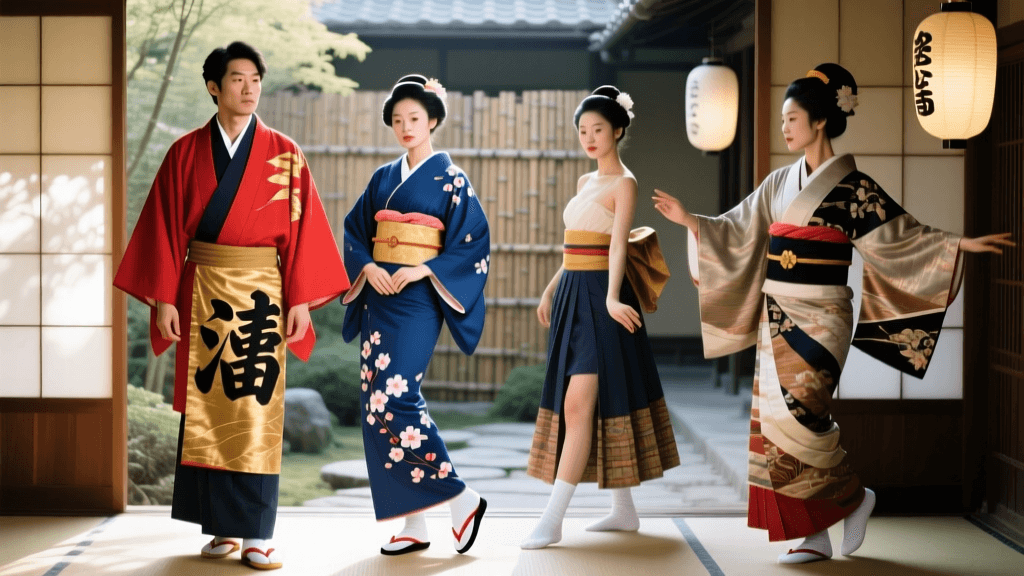
Japanese summer festivals, known as matsuri, are a vibrant explosion of culture, music, and community. For performers, dancers, and musicians, the garments worn during these events are not merely decorative; they are highly functional tools designed to withstand rigorous physical activity, summer heat, and long hours of wear. According to the Japan Guide's comprehensive festival directory, thousands of matsuri take place across the archipelago annually, each with unique sartorial requirements. From the thunderous taiko drumming ensembles to the synchronized folk dances of Bon Odori, understanding the nuances of Japanese festival costumes is essential for any performer looking to honor tradition while maintaining stage mobility.
This guide explores the core garments of Japanese festival wear, offering actionable advice on sizing, material selection, and performance-specific styling. Whether you are preparing for a local Bon Odori dance, a taiko recital, or a massive mikoshi (portable shrine) procession, selecting the right attire will elevate your performance and ensure your comfort.
The Happi Coat: The Heartbeat of Matsuri Performances
The happi coat is perhaps the most iconic piece of Japanese festival wear. Originally worn by house servants and shopkeepers during the Edo period, the happi has evolved into the standard uniform for matsuri participants. For performers, particularly taiko drummers and mikoshi bearers, the happi offers a perfect balance of tradition and unrestricted movement.
Sizing and Fit for Active Performers
Unlike formal kimono, which require precise, tailored measurements, happi coats are generally designed with a loose, forgiving fit. However, performers must pay attention to two key measurements:
- Mitake (Length): For active performances like taiko drumming, the hem should fall just below the hips or mid-thigh. A standard length is around 80 to 85 centimeters. If the coat is too long, it will interfere with wide stances and dynamic leg movements.
- Yuki (Sleeve Span): Measured from the center of the back neck to the edge of the sleeve. A yuki of 65 to 75 cm ensures the sleeves do not impede arm swings when striking a drum or lifting a shrine.
Material Choices and Budgeting
Traditional happi are made from 100% cotton, which is highly breathable and excellent for wicking sweat during intense summer performances. However, cotton wrinkles easily and can become heavy when soaked. Modern performance troupes often opt for poly-cotton blends (typically 65% polyester, 35% cotton). These blends cost between $35 and $75 USD, resist wrinkling, and dry rapidly between set changes. Pure silk or high-end hand-dyed cotton happi can exceed $200 USD but are usually reserved for stationary ceremonial roles rather than high-energy performances.
The Essential Pairing: Momohiki and Haramaki
A happi coat is rarely worn alone on stage. Performers pair it with momohiki, which are form-fitting, gathered cotton trousers that taper tightly at the calves. Momohiki prevent fabric from catching on instruments or stage equipment. Around the waist, performers wear a haramaki (a wide cotton belly sash). The haramaki not only secures the momohiki but also provides core support during heavy lifting and vigorous drumming, while adding a striking pop of color—often vibrant red or stark white—to the costume.
Yukata and Jinbei: Garments for Bon Odori Dance
Bon Odori is the traditional folk dance performed during the Obon festival to honor the spirits of one's ancestors. The Japan National Tourism Organization (JNTO) highlights Bon Odori as a cornerstone of Japanese summer cultural expression. The primary garments for these dances are the yukata and the jinbei.
Adjusting the Yukata for Stage Mobility
The yukata is a lightweight, unlined cotton kimono. While beautiful, a standard yukata can restrict the legs during the wide, sweeping steps characteristic of dances like the Tanko Bushi or Tokyo Ondo. Performers must adjust the ohashori (the waist fold) higher than usual to free the knees. Additionally, instead of a formal, stiff maru obi, dancers use a soft, elasticized tsuke obi (pre-tied sash) or a simple cotton heko obi. This allows for deep bends and rapid turns without the risk of the sash unraveling mid-performance.
The Jinbei Alternative
For high-energy, acrobatic festival dances, or for male performers seeking maximum ventilation, the jinbei is the preferred choice. Consisting of a short-sleeved top and loose, cropped trousers, the jinbei offers unparalleled mobility. Modern performance jinbei often feature reinforced stitching at the stress points and are priced affordably between $25 and $50 USD. They are particularly popular in regional dances that involve deep squats or ground-level choreography.
Regional Variations in Festival Wear
Japan's diverse geography has birthed highly specialized festival costumes that dictate specific performance styles. Understanding these regional variations is crucial for authentic representation.
Aomori Nebuta Matsuri: The Haneto Dancers
In the northern region of Tohoku, the Nebuta festival features 'Haneto' dancers who leap rhythmically around massive, illuminated floats. Haneto costumes are distinct: they include a white cotton yukata, a pink sash, and a spectacular, oversized floral hat called a hanagasa. Performers must wear specialized rubber-soled tabi to absorb the shock of constant jumping on asphalt.
Tokushima Awa Odori: The Fools' Dance
The Awa Odori is one of Japan's most famous dances. Male performers typically wear a lightweight yukata with the hem tucked up into the obi, exposing the legs for high kicks, paired with a straw hat called an amigasa. Female performers wear more formal, vibrant yukata with wooden geta clogs, requiring immense calf strength and balance to execute the synchronized, forward-leaning choreography.
Footwear: Tabi and Zori for Stage and Street
Footwear can make or break a festival performance. The traditional split-toe tabi sock is essential for grip and balance. For stage performances and street processions, performers should invest in jika-tabi—tabi equipped with a durable rubber sole. Sizing for tabi is strictly metric (in centimeters). A performer who wears a US Men's size 9 should purchase a 27 cm tabi. It is vital that the fit is snug; excess fabric in the toe box can cause tripping during complex dance routines.
When not dancing, or for more formal ceremonial processions, performers wear zori (flat sandals made of vinyl, straw, or cloth) or waraji (woven straw sandals). Waraji are often worn by mikoshi bearers because the woven straw provides excellent traction on wet summer streets and the ties can be secured tightly around the ankle for stability.
Essential Accessories: Tenugui and Fans
No festival costume is complete without its accessories, which serve both practical and performative functions.
- Tenugui: A rectangular cotton towel, typically 35 by 90 centimeters. Performers tie the tenugui around their heads (in a style called hachimaki) to keep sweat out of their eyes, or tuck it into their obi to wipe their faces. In taiko performances, the tenugui is often dyed with the specific crest of the drumming troupe.
- Uchiwa and Sensu: Rigid fans (uchiwa) and folding fans (sensu) are used extensively in Bon Odori. They act as extensions of the dancer's arms, emphasizing the geometry of the choreography. Performance-grade fans are reinforced with bamboo ribs to withstand rapid snapping and spinning.
Comparison Chart: Choosing Your Festival Garment
Selecting the right garment depends on your specific performance role, budget, and mobility requirements. Refer to the table below to make an informed decision.
| Garment Type | Primary Performance Use | Mobility Rating | Average Cost (USD) | Setup Time |
|---|---|---|---|---|
| Happi & Momohiki | Taiko drumming, Mikoshi carrying | High (4/5) | $60 - $120 | 3 - 5 minutes |
| Yukata (Adjusted) | Bon Odori folk dance, Stage singing | Moderate (3/5) | $40 - $90 | 10 - 15 minutes |
| Jinbei | Acrobatic dance, Casual festival wear | Very High (5/5) | $25 - $50 | 1 - 2 minutes |
| Samue | Zen meditation, Traditional flute (Shakuhachi) | High (4/5) | $50 - $100 | 3 - 5 minutes |
Practical Tips: Timing, Purchasing, and Garment Care
As documented by the National Theatre of Japan, the preservation of traditional performing arts relies heavily on the proper maintenance of historical garments. For modern festival performers, caring for your attire ensures longevity and stage readiness.
Timing Your Purchases
If you are ordering custom-dyed happi coats for a troupe, you must place your orders at least three to four months before the summer festival season. Traditional dye houses in Kyoto and Tokyo experience massive backlogs starting in April. For off-the-rack garments, purchase by early May to ensure you have ample time for alterations and break-in periods for your tabi and zori.
Washing and Maintenance
Cotton festival garments will shrink and bleed dye during their first wash. Always wash new happi and yukata separately in cold water. Avoid using a tumble dryer, as the intense heat will warp the cotton fibers and shrink the garment beyond the performer's usable measurements. Instead, hang the garments to dry in the shade; direct sunlight will fade the vibrant indigo and red dyes commonly used in matsuri wear. For poly-cotton blends, a gentle machine wash and low-heat tumble dry are acceptable, making them the superior choice for troupes that perform weekly and require rapid laundry turnaround.
'The right festival garment must balance historical reverence with the physical demands of the performance. A costume that restricts the breath or the stride ultimately restricts the art.'
Conclusion
Japanese festival costumes are a masterclass in functional design, merging centuries of aesthetic tradition with the rigorous demands of live performance. Whether you are leaping in a haneto hat, striking a taiko drum in a sweat-wicking happi, or gliding through a Bon Odori in a carefully adjusted yukata, understanding the mechanics of your garment is just as important as mastering the choreography. By selecting the appropriate materials, ensuring precise measurements, and maintaining your attire with care, you ensure that your performance is as visually stunning as it is culturally authentic.