Kimono Fabric Sound & Texture: A Sensory Guide 2026
Beyond the Visual: The Sensory Renaissance of the Kimono
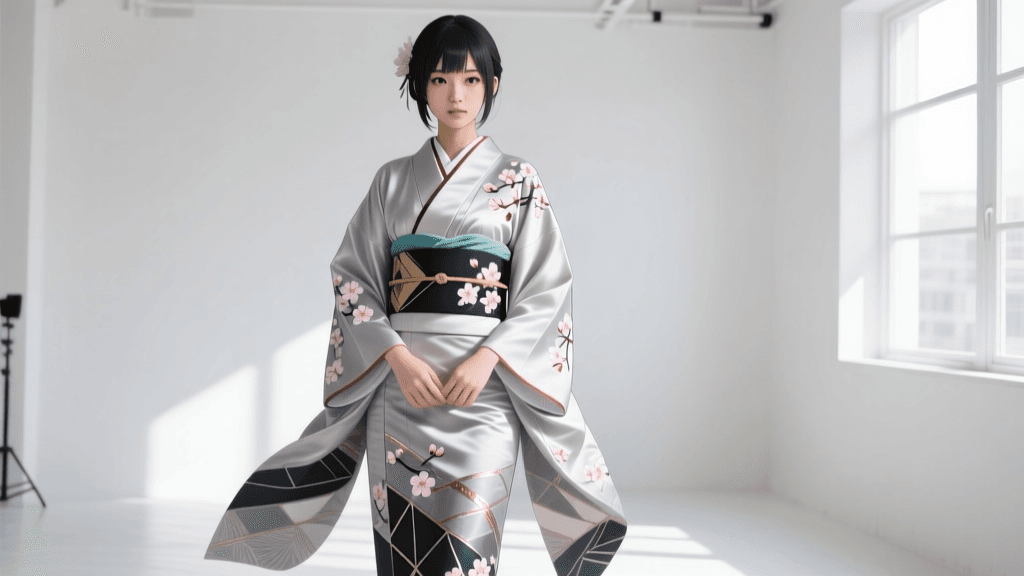
When we think of the traditional Japanese kimono, our minds immediately conjure vivid imagery: the sweeping silhouettes, the intricate Yuzen dyeing, and the seasonal motifs painted across silk. However, as the global slow fashion and mindful dressing movements have matured in 2026, a profound shift has occurred among textile enthusiasts and cultural practitioners. The focus has expanded beyond mere visual aesthetics to embrace the full sensory experience of the garment. At the heart of this sensory renaissance is the tactile feedback and the acoustic signature of the kimono—specifically the revered concept of kinu-oto, or the sound of silk.
In 2026, wearing a kimono is increasingly recognized not just as an act of cultural preservation, but as a grounding, multisensory meditation. The friction of the threads, the weight of the weave against the skin, and the rhythmic rustling that accompanies movement all serve to connect the wearer to the present moment. Understanding these auditory and tactile profiles is essential for anyone looking to deeply appreciate traditional Japanese garments today.
The Philosophy of Kinu-Oto: The Sound of Silk
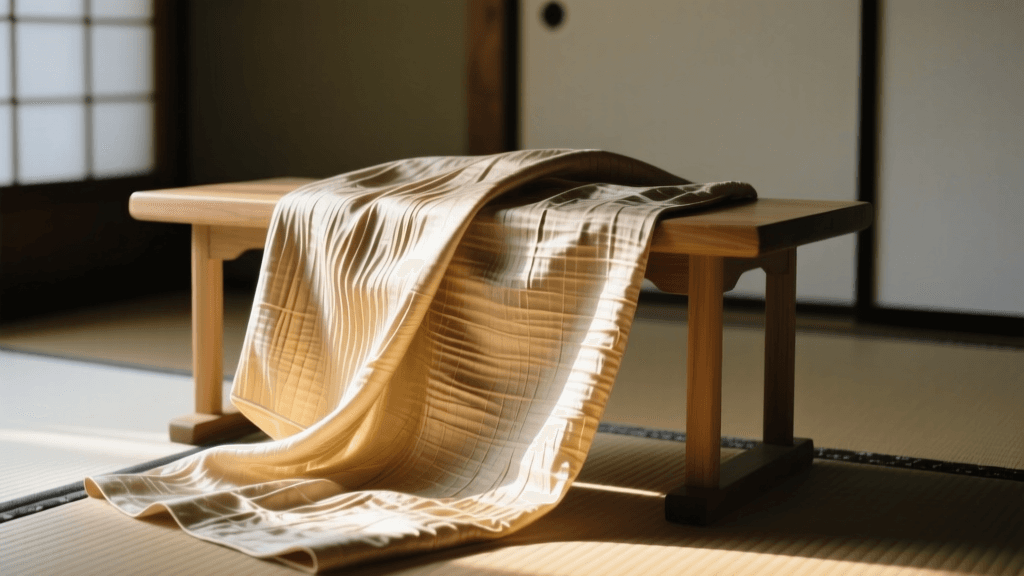
Kinu-oto translates literally to the sound of silk, while susuragi refers to the gentle rustling or whispering of the fabric. Historically, in the quiet, wooden corridors of Kyoto machiya or the serene gardens of tea houses, the subtle acoustic footprint of a silk kimono announced a person is arrival with elegance and grace. Unlike the heavy, muffled thud of modern synthetic fabrics or stiff wools, pure silk generates a crisp, high-frequency whisper when the layers rub together.
This acoustic phenomenon is not accidental; it is engineered into the very structure of the silk threads. The triangular prism-like structure of a natural silk filament reflects light beautifully, but it also creates a specific micro-friction when woven tightly. According to acoustic studies on heritage textiles featured in exhibitions like the Victoria and Albert Museum is Kimono: Kyoto to Catwalk, the sound of traditional silk is deeply tied to the tension of the loom and the twist of the yarn. In 2026, acoustic fashion researchers in Tokyo are even mapping the decibel levels of heritage weaves, proving that the kinu-oto of a high-quality garment operates at a frequency that human ears perceive as calming and rhythmic.
Tactile Profiles of Traditional Kimono Fabrics
The tactile experience of a kimono is dictated by its weave, the twist of the yarn, and the finishing techniques. Each fabric offers a distinct physical sensation that informs how the garment drapes, moves, and sounds.
Chirimen (Crepe Silk)
Chirimen is characterized by its distinctive pebbled surface, known as shibo. This texture is achieved by using highly twisted weft yarns that are woven under tension and then relaxed, causing the fabric to shrink and pucker. Tactilely, chirimen feels dry, matte, and slightly bumpy against the skin. It lacks the slippery, glossy feel of satin, offering instead a comforting, organic grip. Acoustically, chirimen produces a soft, muted rustle. The micro-textures diffuse the friction, resulting in a gentle, whispering susuragi that is highly prized for everyday elegance and semi-formal wear.
Tsumugi (Pongee)
Woven from silk noil or unevenly spun threads, tsumugi is the epitome of rustic refinement. It feels nubby, structured, and surprisingly warm, often compared to the comforting weight of a fine linen or raw cotton. Because the threads are irregular, the fabric is stiffer and holds its shape rigorously. When a wearer moves in a tsumugi kimono, the acoustic profile is distinctly different from smooth silk; it produces a crisper, more rhythmic friction, almost like the sound of dry leaves or fine parchment. It is a deeply grounding fabric, heavily favored in 2026 by practitioners of tea ceremony who value its unpretentious, earthy sensory feedback.
Rinzu (Damask)
Rinzu is a figured silk fabric woven with a satin base, creating glossy patterns that emerge from a matte background. Tactilely, it is the most luxurious and fluid of the kimono fabrics. It feels heavy, cool, and impossibly smooth, gliding over the skin like water. Because the surface is so uniform and the threads are tightly packed, rinzu generates a continuous, fluid acoustic glide rather than a staccato rustle. It is the fabric of high formality, and its heavy drape demands a slow, deliberate walking pace to fully appreciate its sensory weight.
Ro and Sha (Summer Gauze)
Designed for the sweltering Japanese summer, ro and sha are leno-weave gauze fabrics. They are sheer, breathable, and feature intentional gaps in the weave. Tactilely, they are crisp, lightweight, and slightly stiff, standing away from the body to allow air circulation. The sound of ro and sha is breezy and light—a quick, airy swish that mimics the rustle of wind through bamboo. In 2026, these sheer weaves are celebrated not just for their cooling properties, but for the feeling of weightlessness they impart to the wearer.
Sensory Fabric Comparison Chart
To help collectors and wearers select the right garment for their desired sensory experience, we have compiled a profile of the primary kimono weaves.
| Fabric Type | Weave & Texture | Auditory Profile (Kinu-Oto) | Tactile Sensation | Best Season |
|---|---|---|---|---|
| Chirimen | Crepe, high-twist yarn | Soft, muted, whispering rustle | Pebbled, dry, matte, organic grip | Spring / Autumn |
| Tsumugi | Pongee, slubbed/uneven | Crisp, rhythmic, parchment-like | Nubby, structured, warm, earthy | Autumn / Winter |
| Rinzu | Damask, satin base | Fluid, continuous, heavy glide | Smooth, heavy, cool, luxurious | Winter / Formal |
| Ro / Sha | Gauze, leno weave | Breezy, light, airy swish | Sheer, crisp, lightweight, stiff | Summer |
Mindful Movement: Suriashi and the Biofeedback of Silk
The sensory experience of a kimono extends beyond the fabric itself; it fundamentally alters how the wearer moves through space. The traditional method of walking in a kimono is known as suriashi, or the sliding walk. Because the kimono is a straight-line garment that restricts the stride, the wearer must keep their feet close to the ground, gliding forward from the hips rather than lifting the knees.
In 2026, wellness experts and traditional arts instructors highlight suriashi as a form of moving meditation. The kinu-oto acts as an acoustic biofeedback mechanism. If a wearer walks too quickly, takes strides that are too long, or moves with erratic, jerky motions, the silk will produce a harsh, chaotic rustling, and the garment will pull uncomfortably at the shoulders. However, when the wearer achieves perfect posture and a smooth, gliding gait, the fabric emits a steady, rhythmic, and soothing whisper. The sound of the silk literally tells the wearer when they have achieved physical harmony and mindfulness.
Preserving the Sensory Qualities in 2026
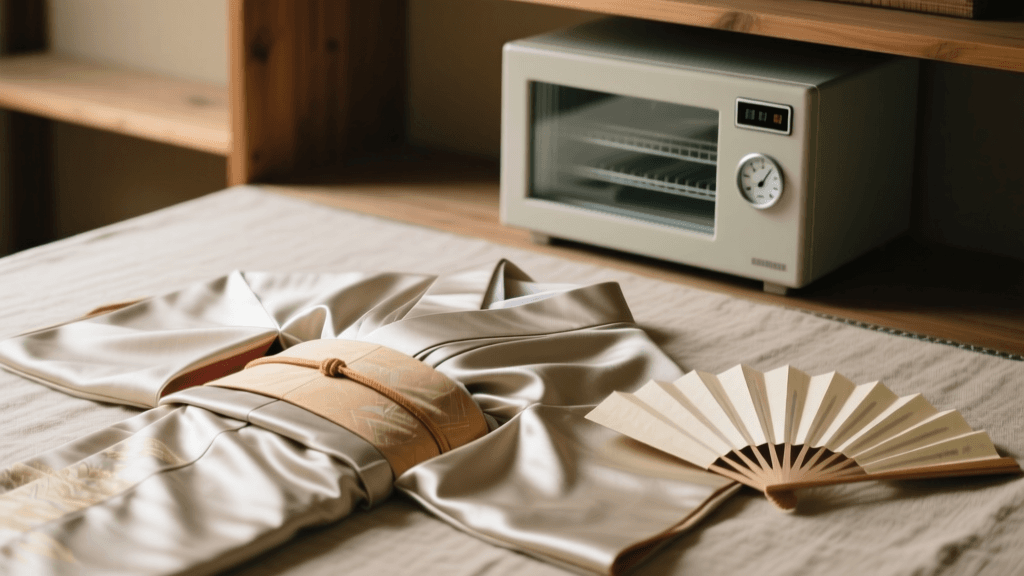
Maintaining the acoustic and tactile integrity of a kimono requires specialized care. The kinu-oto of silk can be permanently dulled by improper washing, excessive heat, or the use of harsh modern chemical detergents, which strip the natural sericin proteins and flatten the microscopic structure of the silk filament.
Today, preservation has merged traditional wisdom with modern climate science. While artisans at institutions like the Nishijin Textile Center continue to emphasize the importance of airing out garments in the dry autumn wind, modern collectors in 2026 utilize advanced, climate-controlled paulownia wood storage systems. These smart-storage boxes maintain a strict humidity level of 50-55%, preventing the silk from becoming brittle (which alters the sound to a harsh crinkle) or too damp (which mutes the sound and invites mold).
When cleaning is necessary, the gold standard remains arai-hari—the traditional method of unsewing the kimono into flat panels, washing them gently with specialized, pH-neutral organic soap, and stretching them on bamboo frames to dry. This process restores the tension and the microscopic air pockets within the weave, effectively 're-tuning' the fabric and bringing its original kinu-oto back to life.
Conclusion
The kimono is far more than a visual masterpiece; it is an instrument of sensory engagement. By paying attention to the pebbled touch of chirimen, the grounding weight of tsumugi, and the whispering kinu-oto of pure silk, we unlock a deeper, more intimate relationship with Asian textile traditions. In our increasingly digital and visually saturated world, the tactile and acoustic grounding provided by traditional garments offers a rare and beautiful anchor to the physical present.