Sensory Kimono Experience: Fabric Sound & Texture 2026

The Multi-Sensory Art of the Kimono in 2026
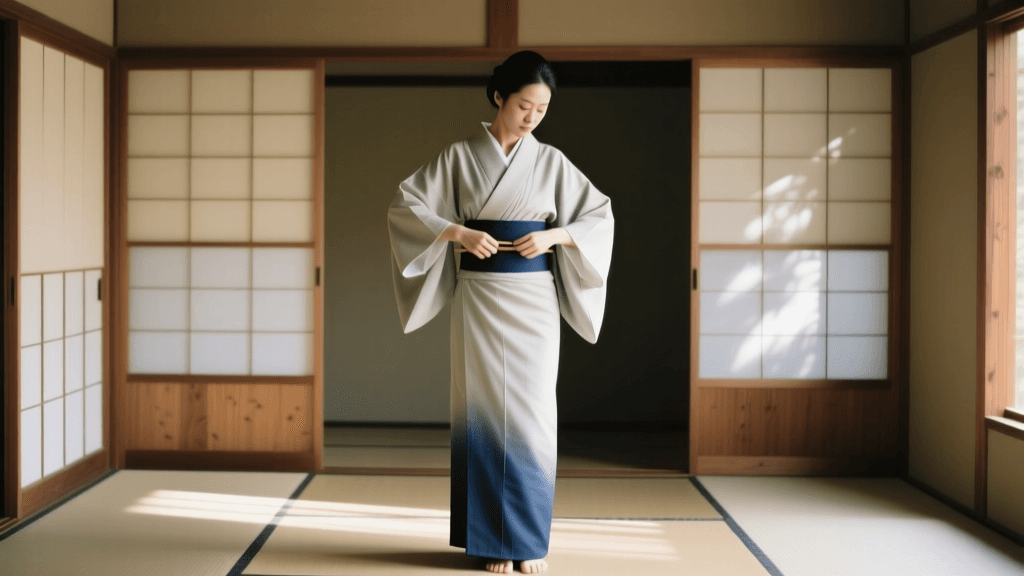
When the world thinks of the traditional Japanese kimono, the immediate focus is almost entirely visual. We marvel at the intricate yuzen dyeing, the shimmering gold leaf, and the elegant drape of the silhouette. However, as we move through 2026, a profound shift is occurring among textile preservationists, cultural historians, and modern wearers. There is a growing, dedicated movement focusing on the sensory experience of the kimono—specifically the auditory feedback and tactile sensations that occur when the garment is worn and moved in. The kimono is not merely a visual canvas; it is an acoustic instrument and a tactile landscape that deeply connects the wearer to their physical environment.
In an era where digital fatigue has driven a massive resurgence in analog, grounding practices, the sensory experience of traditional Japanese clothing offers a form of wearable mindfulness. According to the Metropolitan Museum of Art, the historical evolution of the kimono was deeply tied to the refinement of silk production and weaving techniques, which inherently altered how the fabric felt and sounded. Today, understanding the 'voice' and 'hand' of these textiles is essential for anyone looking to truly appreciate, wear, or preserve Asian traditional garments in 2026.
The Auditory Landscape: Listening to Your Kimono
In the Japanese language, there is a rich vocabulary of onomatopoeia dedicated specifically to the sounds of fabric in motion. The acoustic profile of a kimono changes dramatically based on the fiber, the weave structure, and the presence of residual sericin (the natural gum in silk). When a wearer walks, the overlapping panels of the skirt and the friction of the sleeves create a distinct auditory signature.
Suri-Suri vs. Shari-Shari: The Acoustic Profiles
The soft, muted, and continuous rubbing sound of finely woven, degummed silk is known as suri-suri. This sound is most commonly associated with high-end formal wear, such as a smooth chirimen (silk crepe) kimono. The friction between the layers of the kimono, the nagajuban (undergarment), and the hakama or obi creates a gentle, whispering acoustic envelope that promotes a sense of calm and elegance.
Conversely, shari-shari describes a crisper, more rhythmic, and slightly stiffer rustling sound. This is the hallmark of tsumugi (silk pongee) or asa (hemp and ramie). Tsumugi is woven from silk noil or threads that retain some of their natural stiffness, creating a fabric with a slightly slubbed texture. When the wearer moves, the stiff fibers catch and release against one another, producing a satisfying, percussive rustle. In the hot, humid summers of 2026, the loud, crisp shari-shari of a hemp kimono provides not only a psychological feeling of coolness but a literal acoustic break from the heavy, oppressive silence of modern synthetic clothing.
For a deeper understanding of how regional weaving techniques influence these physical properties, the Victoria and Albert Museum maintains extensive archives on Asian textiles, highlighting how the tension of the loom and the twist of the yarn dictate the final acoustic and tactile behavior of the cloth.
Tactile Sensations: Weight, Drape, and Temperature
The tactile experience, or tezawari (hand-feel), of a kimono is equally complex. Unlike Western tailoring, which cuts and darts fabric to force it to conform to the three-dimensional curves of the human body, the kimono is constructed from flat, straight bolts of fabric. It is the weight, drape, and tension of the textile that allows it to mold to the wearer.
In 2026, sensory-inclusive styling has become a prominent topic in kimono dressing schools. For neurodivergent individuals or those seeking deep-pressure therapy, the heavy, grounded drape of a lined winter silk kimono (awase) combined with the firm, compressive embrace of a properly tied obi provides a profoundly comforting proprioceptive input. The weight of the silk pulls the shoulders down and grounds the center of gravity, encouraging the slow, deliberate, and gliding walking style (hikizuri) required to keep the hem from tangling.
On the opposite end of the spectrum is the summer ro or sha (silk gauze) kimono. These open-weave fabrics are engineered for maximum airflow. The tactile sensation of wearing ro is one of coolness and lightness; the fabric barely seems to touch the skin, relying instead on the crisp structure of the weave to hold its shape away from the body, allowing ambient breezes to pass directly through the garment.
2026 Fabric Comparison Chart: Sound, Texture, and Use
To help collectors, renters, and modern wearers navigate the sensory landscape of traditional garments, we have compiled a comprehensive guide to the most common kimono textiles and their sensory profiles.
| Fabric Type | Acoustic Profile (Sound) | Tactile Sensation (Hand-Feel) | Best 2026 Season & Use Case |
|---|---|---|---|
| Chirimen (Silk Crepe) | Suri-suri: Soft, muted, whispering rustle. | Pebbled, yielding, heavy drape, smooth against the skin. | Autumn/Winter; Formal ceremonies and tea gatherings. |
| Tsumugi (Silk Pongee) | Shari-shari: Crisp, rhythmic, slightly percussive. | Slubbed, earthy, structured, retains a slight stiffness. | Spring/Autumn; Casual outings, travel, and daily wear. |
| Asa (Hemp/Ramie) | Loud, sharp, dry rustle; highly audible movement. | Stiff, textured, cooling, becomes softer with repeated wear. | Peak Summer; Festivals, outdoor events, and hot climates. |
| Ro (Silk Gauze) | Whisper-quiet, airy, almost silent friction. | Smooth, lightweight, open-weave, delicate and cooling. | Mid-Summer; Formal summer events, evening dinners. |
The Psychology of Sensory Dressing and Zen Mindfulness
The sensory feedback of the kimono is deeply intertwined with Zen spirituality and the Japanese concept of ma (negative space). The space between the body and the fabric, the sound of the silk shifting, and the restriction of movement all serve to anchor the wearer in the present moment. You cannot rush in a kimono; the auditory feedback will become chaotic, and the tactile sensation of the heavy silk will pull at your frame if you move with haste.
In 2026, cultural institutions like the Kyoto National Museum frequently highlight how the physical artifacts of Japanese history were designed to be experienced in motion, not just viewed statically in a glass case. The modern practice of kinagashi (relaxed, everyday wearing) encourages individuals to use the tactile weight of vintage silk as a tool for grounding and anxiety management in an increasingly fast-paced, hyper-connected world.
Preserving the 'Voice' and 'Hand' of Vintage Textiles
As the market for vintage and antique kimono continues to thrive in 2026, preservationists face a unique challenge: how to maintain the original sensory qualities of the fabric. Improper cleaning and storage can permanently alter both the sound and the texture of a traditional garment.
- Avoid Harsh Chemical Solvents: Modern dry-cleaning chemicals can strip the natural sericin from wild silks and tsumugi, permanently destroying the crisp shari-shari sound and leaving the fabric feeling limp and lifeless. Always seek out specialized traditional textile conservators who use gentle, pH-neutral, or organic solvent methods.
- Proper Storage for Acoustic Retention: Kimono should be folded along their original seam lines and stored flat in acid-free tatoushi (paper wrappers). Hanging a kimono for long periods stretches the warp threads, altering the tension of the weave and fundamentally changing how the fabric sounds and drapes when worn.
- Reviving the 'Hand': If a vintage silk crepe (chirimen) has lost its signature pebbled texture and heavy drape due to improper pressing, a professional arai-hari (traditional washing and re-stretching) service can often restore the fabric's original three-dimensional weave structure, bringing back its authentic tactile sensation.
Conclusion: Embracing the Full Spectrum of Tradition
To truly understand the Asian tradition of the kimono, one must look beyond the visual beauty of the dyed patterns and engage with the garment as a multi-sensory experience. The soft whispering of a silk crepe skirt, the crisp rustle of a summer hemp weave, and the grounding, heavy drape of the fabric against the skin are all intentional elements of a centuries-old design philosophy. As we navigate the cultural landscape of 2026, embracing the sound and texture of these extraordinary textiles allows us to connect with the past in a deeply physical, intimate, and profoundly human way.