Kimono Silhouettes on Global Runways: 2026 Trend Report

The 2026 Runway Renaissance: Beyond Orientalism
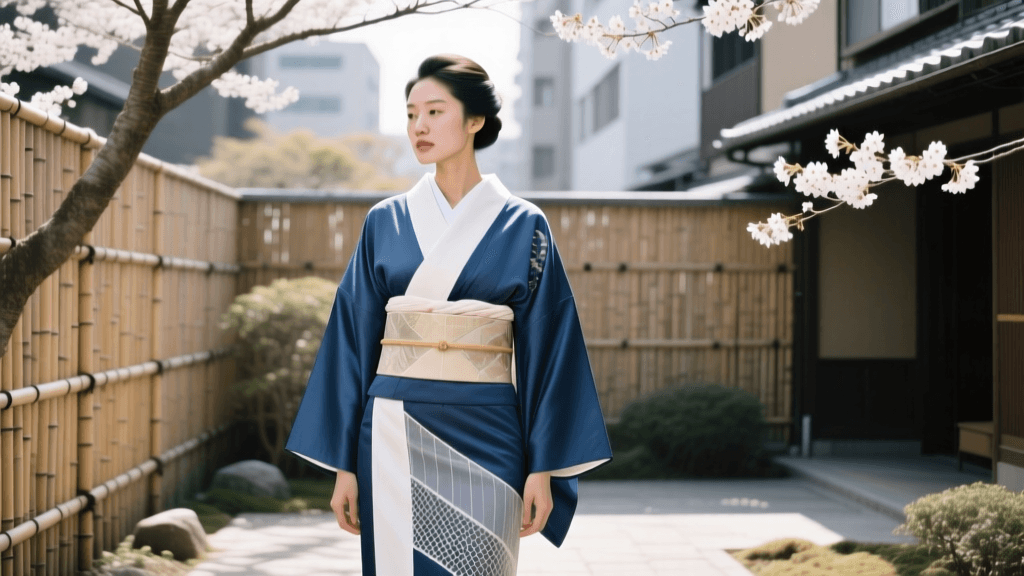
The global fashion circuit of 2026 has witnessed a profound and respectful renaissance of the traditional Japanese kimono. Moving far beyond the superficial orientalism of past decades, the Spring/Summer and Fall/Winter 2026 collections in Paris, Milan, and Tokyo have embraced the kimono not as a costume, but as a masterclass in structural engineering, sustainable philosophy, and textile artistry. Haute couture houses and avant-garde designers alike are deconstructing the garment’s iconic T-shape, reimagining its voluminous sleeves, and adopting its zero-waste pattern-making techniques to meet the stringent ecological demands of the modern luxury market.
This shift represents a maturation in cross-cultural fashion design. Rather than merely copying the surface-level aesthetics of the yuzen dye or the obi sash, 2026’s top designers are consulting with Japanese textile archivists and master artisans. The result is a sophisticated fusion where the ancestral geometry of the kimono meets 21st-century ergonomic tailoring and bio-engineered fabrics.
Deconstructing the T-Shape: Structural Innovations
At its core, the traditional kimono is a triumph of flat, linear geometry. As documented by The Metropolitan Museum of Art's Costume Institute, the kimono is constructed from straight bolts of fabric with minimal cutting, resulting in a garment that is inherently modular and size-inclusive. In 2026, European pattern cutters have adopted this zero-waste philosophy, utilizing 3D body scanning and algorithmic design to adapt the flat T-shape into fluid, ergonomic outerwear that drapes effortlessly across diverse body types.
On the Paris runways, we are seeing the furisode (long, swinging sleeves) reimagined as detachable, oversized capelets on structured wool coats. The drop-shoulder seam, a hallmark of the kimono’s relaxed silhouette, has become the defining feature of 2026’s power suiting, offering a relaxed yet authoritative drape that rejects the rigid, padded shoulders of traditional Western tailoring.
Table: Traditional Elements vs. 2026 Runway Innovations
| Garment Feature | Traditional Kimono (Edo/Meiji Era) | 2026 Runway Adaptation |
|---|---|---|
| Silhouette | Strict T-Shape, Linear, Flat | Asymmetrical T-Shape, Ergonomic Drape |
| Fastening | Obi (Wide Silk Sash), Koshihimo | Corsetry, Magnetic Closures, Tech-Belts |
| Textile | Woven Silk, Hemp, Yuzen Dyeing | Upcycled Deadstock, Bio-Silk, Laser-Etched |
| Layering | Juban (Undergarment), Kimono, Haori | Mesh Base, Structured Coat, Oversized Vest |
| Sleeve | Furisode (Long), Kosode (Short) | Detachable Capelets, Split-Seam Balloon |
Sustainable Luxe: Boro, Sashiko, and the Circular Economy
The most significant driver of the kimono’s influence in 2026 is the luxury sector's aggressive pivot toward circular fashion. The Japanese philosophy of mottainai (a sense of regret concerning waste) and the historical practices of boro (mending with scraps) and sashiko (decorative reinforcement stitching) have become the blueprint for high-end upcycling.
According to insights from McKinsey & Company's State of Fashion report, luxury consumers in 2026 are demanding verifiable sustainability and narrative-rich garments. In response, Milanese fashion houses are sourcing deadstock vintage kimonos from Kyoto and Tokyo archives, carefully deconstructing them, and splicing the fragile, century-old silks with recycled nylon and bio-based leather. The visible mending techniques of sashiko are being replicated using automated, high-tensile embroidery machines, creating a hybrid textile that honors the wabi-sabi aesthetic of imperfection while ensuring modern durability.
These upcycled kimono-trench coats and spliced-silk evening gowns are commanding premium prices on the 2026 market, often retailing between $4,500 and $12,000, reflecting the intense labor required to stabilize and integrate vintage textiles into contemporary silhouettes.
Textile Innovations: Bio-Silk and Laser-Etched Yuzen
While the silhouette provides the structure, the textile provides the soul. The traditional yuzen dyeing process, which uses rice paste resist to create intricate, multi-colored pictorial designs, is notoriously water-intensive. In 2026, textile innovators have partnered with traditional dye masters to develop waterless, laser-etched alternatives that mimic the exact depth and color saturation of hand-painted yuzen on bio-engineered spider silk.
Furthermore, the shibori (tie-dye) techniques historically used on silk crepe are being adapted for 2026’s smart-textiles. By utilizing heat-memory polymers, designers are creating garments that can shift their textured, pleated patterns in response to the wearer's body temperature, echoing the seasonal adaptability that has always been central to Japanese dress.
Key Garments Dominating the 2026 Collections
If you are tracking the intersection of Asian traditions and Western haute couture this year, three specific garment adaptations are dominating the editorial spreads and front rows:
- The Haori Duster Coat: The haori, traditionally a hip- or thigh-length kimono jacket, has been elongated into a sweeping, floor-length duster coat. Stripped of its heavy silk lining and rendered in lightweight, water-resistant technical gabardine, it serves as the ultimate transitional outerwear for the modern urbanite.
- The Obi Corset: The wide, stiff obi sash has been reimagined as a structured, over-the-blazer corset. Designers are using rigid, recycled PET plastics encased in silk brocade to create waist-cinching pieces that provide the dramatic silhouette of the kimono without the restrictive, complex tying methods of the original garment.
- The Tabi Boot Evolution: The split-toe tabi boot, popularized in the West decades ago, has evolved in 2026 into a sleek, ergonomic sneaker-boot hybrid. Incorporating traditional zori (straw sandal) weaving techniques into the recycled rubber outsoles, these shoes offer a grounded, tactile connection to the earth while maintaining a futuristic aesthetic.
Heritage Institutions and Collaborative Design
The respectful integration of these elements in 2026 is largely due to unprecedented collaborations between European fashion conglomerates and Japanese heritage institutions. Access to the Kyoto Costume Institute Digital Archives has allowed international design teams to study the precise drape, layering, and color theory of historical garments without needing to physically handle fragile artifacts. These digital archives have been instrumental in teaching Western pattern-makers how the kimono relies on the manipulation of flat planes and gravity, rather than darts and seams, to contour the human body.
This collaborative approach ensures that the kimono is celebrated as a living, evolving tradition rather than a static museum relic. By compensating Japanese artisan guilds and crediting specific regional techniques (such as Nishijin weaving or Kaga yuzen), the 2026 fashion industry is setting a new standard for ethical cultural exchange.
Actionable Styling: Integrating Kimono Elements Today
You do not need a couture budget to incorporate the 2026 kimono runway trends into your personal wardrobe. Here is how to adapt these high-fashion concepts for everyday wear:
- Invest in a Modern Haori: Look for contemporary brands offering unstructured, open-front jackets inspired by the haori. Opt for matte finishes like raw linen or brushed cotton in muted, earthy tones (indigo, matcha, charcoal). Expect to invest between $250 and $600 for a high-quality, ethically made piece. Wear it over a simple turtleneck and wide-leg trousers to emulate the runway's layered volume.
- Adopt the Obi Belt: Replace your standard leather belts with wide, structured sashes. A stiff, 4-inch wide belt worn high on the natural waist over an oversized blazer or a flowing maxi dress instantly creates the elegant, elongated proportions characteristic of the kimono silhouette. Vintage silk obi sashes can be sourced from specialized online dealers for $80 to $150 and repurposed as statement outerwear belts.
- Embrace Wide, Cropped Sleeves: When shopping for knitwear or light jackets, seek out drop-shoulder designs with wide, cropped sleeves that hit just above the wrist. This subtle nod to the kosode sleeve allows for ease of movement and provides a canvas for layering bracelets or statement watches, mirroring the deliberate reveals of the traditional kimono collar and cuff.
The Future of Asian Heritage in Western Fashion Capitals
The presence of the kimono on the 2026 global runways is a testament to the enduring brilliance of Japanese design. By prioritizing structural geometry, zero-waste pattern making, and the profound beauty of imperfection, the kimono offers a vital antidote to the hyper-fitted, mass-produced aesthetics that have dominated Western fashion for decades. As we move through the 2026 fashion calendar, it is clear that the kimono is no longer just a garment of the past; it is the architectural blueprint for the sustainable, inclusive, and deeply narrative future of global haute couture.