2026 Kimono and Haori Styling Guide: Modern Wafuku Trends
The Wafuku Renaissance in 2026
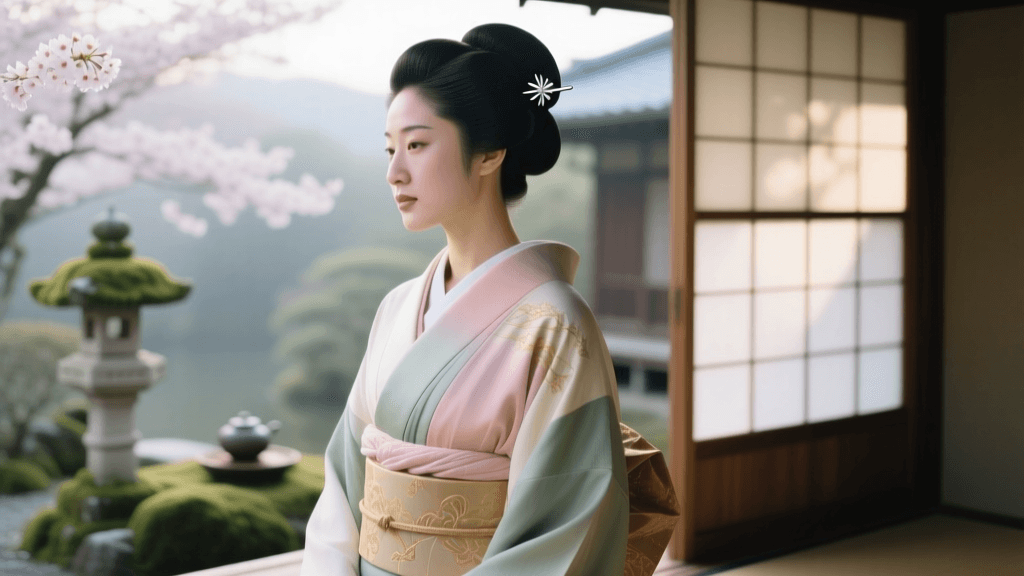
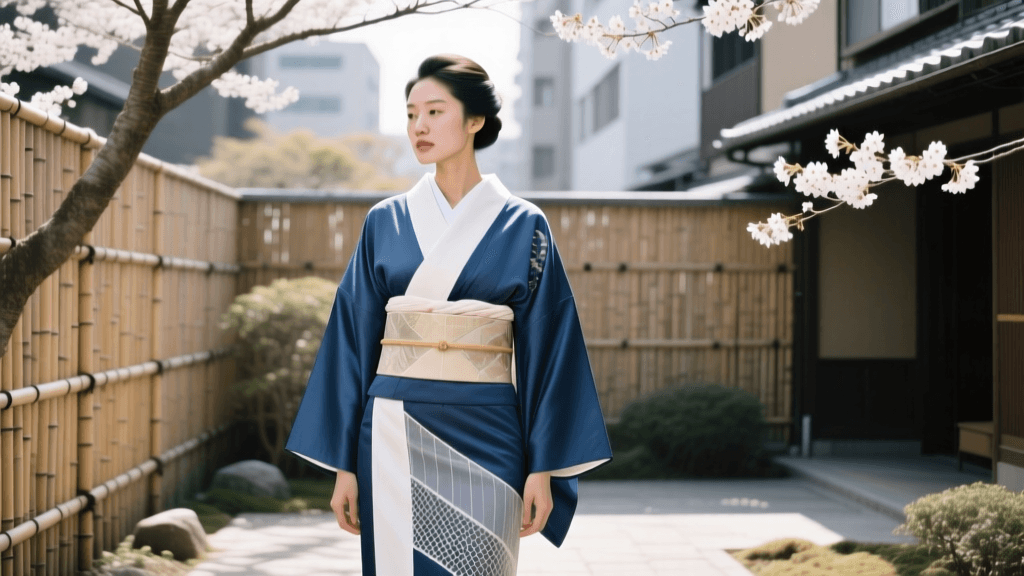
Traditional Japanese clothing, collectively known as wafuku, is experiencing a profound global renaissance in 2026. No longer confined strictly to ceremonial occasions or seasonal festivals, garments like the kimono and haori have been reimagined for contemporary, everyday wardrobes. This shift is driven by a growing appreciation for sustainable fashion, artisanal craftsmanship, and the desire for garments that offer both structural elegance and narrative depth. According to the Victoria and Albert Museum's extensive Asian textile archives, the kimono's T-shaped structure and flat-pattern cutting have historically influenced global fashion houses, but today's movement is distinctly rooted in authentic, wearer-led styling that bridges Edo-period traditions with 2026's modern aesthetics.
Whether you are a seasoned collector of vintage silk or a newcomer looking to integrate a modern haori into your winter layering rotation, understanding the anatomy, fabric innovations, and dressing techniques of wafuku is essential. This comprehensive guide will walk you through the practicalities of wearing, styling, and sourcing Japanese traditional garments in the current fashion landscape.
Understanding the Core Garments: Kimono vs. Haori
To style wafuku effectively, one must first understand the distinct roles of its primary garments. While they share similar construction methods, their functions and styling rules differ significantly.
The Kimono
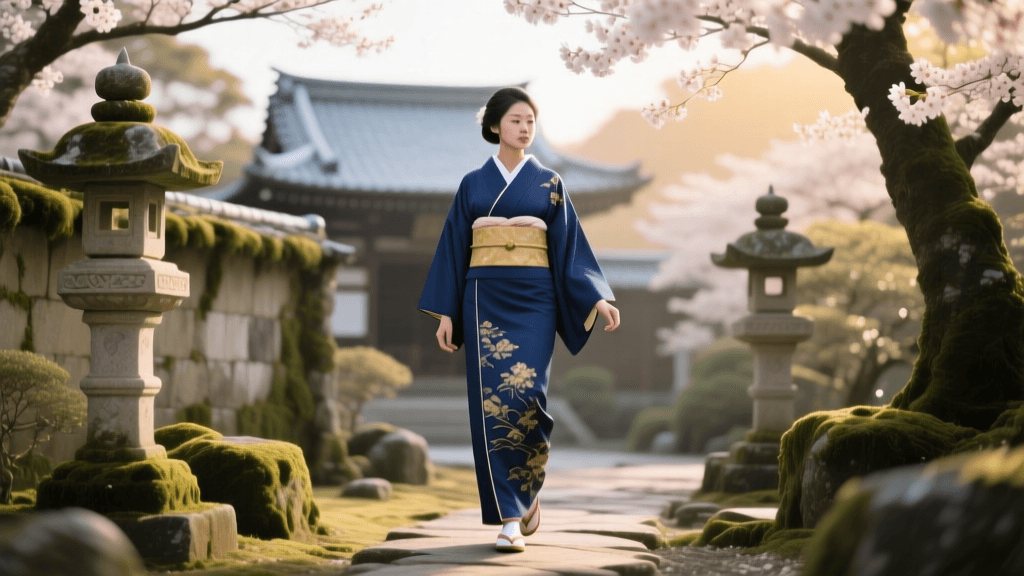
The kimono is the foundational full-length garment, characterized by its straight seams, wide sleeves, and T-shaped silhouette. It is wrapped left over right (right over left is strictly reserved for dressing the deceased) and secured at the waist with an obi (sash). In 2026, the kimono is frequently styled with modern accessories, swapping traditional zori sandals for leather tabi boots or minimalist sneakers, and layering turtlenecks underneath for colder climates.
The Haori
The haori is a hip- or thigh-length jacket worn over the kimono. Unlike the kimono, the haori is worn open at the front and does not wrap. It is secured loosely by two short cords known as haori himo. Because it requires no complex wrapping or obi tying, the haori has become the most accessible entry point for international fashion enthusiasts in 2026, frequently layered over denim, tailored trousers, or even evening gowns.
2026 Fabric Innovations: Sustainable Silks and Washable Blends
Historically, high-quality kimono were crafted from heavy, dry-clean-only silk brocades. However, the 2026 market has seen a massive surge in sustainable, low-maintenance textiles that cater to modern lifestyles without sacrificing the drape and sheen of traditional wafuku.
- Washable Crepe and Polyester Blends: Brands like Yamato and Wataro have perfected recycled PET and high-grade polyester blends that mimic the texture of chirimen (silk crepe). These garments can be machine-washed on gentle cycles, making them ideal for travel and daily wear. Expect to pay between ¥15,000 and ¥40,000 ($100–$270 USD) for a complete washable set.
- Sustainable Cupro and Tencel: Derived from cotton linter and wood pulp, these semi-synthetic fabrics offer a luxurious, breathable drape. They are highly favored in 2026 for summer yukata and lightweight unlined kimono (hitoe).
- Heritage Silk (Shiozawa Tsumugi): For purists, investment pieces in hand-woven regional silks remain highly sought after. The Metropolitan Museum of Art notes in its Heilbrunn Timeline that regional weaving techniques are vital cultural properties. Authentic vintage silk kimono from the mid-20th century can be sourced for ¥20,000 to ¥80,000, while newly commissioned artisan pieces easily exceed ¥500,000.
Step-by-Step Modern Kimono Dressing (Kitsuke)
Dressing in a kimono, known as kitsuke, is an art form that relies on precise folding and padding rather than tailored darts. While traditional kitsuke can take over an hour, modern 2026 techniques prioritize comfort and speed, often utilizing pre-tied obi and elasticized accessories.
- Preparation and Padding: Modern silhouettes favor a cylindrical shape. Use a wafuku bra and hip pads to smooth the body's natural curves. Slip on the nagajuban (under-kimono) and secure it with a koshihimo (waist tie).
- Draping the Kimono: Hold the kimono open by the collar. Align the center back seam with your spine. Wrap the right panel across your body, followed by the left panel over it.
- Adjusting the Length (Ohashori): Pull the collar tight at the nape of the neck, allowing a 5 cm gap (the eri-nuki). Lift the excess fabric at the waist so the hem falls exactly at your ankles. Secure this waist fold (ohashori) with a koshihimo. The visible fold should be a neat, even 5-7 cm band.
- Securing the Collar: Use an itajime or a stretch-fabric datejime to keep the collar flat and prevent it from slipping open throughout the day.
- Tying the Obi: For 2026 everyday styling, the ichi-juu obi (a soft, stretch-knit sash) is highly recommended. Wrap it twice around the waist, tie a simple bunko (bow) knot at the back, and slide it to the center. Secure with an obijime (decorative cord).
"The beauty of the kimono lies not in how tightly it restricts the body, but in how it creates a new architectural space around the wearer. In 2026, we are seeing a return to softer, more forgiving kitsuke styles that prioritize the wearer's mobility." — Contemporary Wafuku Styling Quarterly, Spring Issue
Comparison Chart: Traditional vs. Modern Wafuku Styling
The evolution of wafuku is best understood by comparing historical ceremonial norms with the pragmatic, globalized styling trends of 2026.
| Feature | Traditional Ceremonial (Pre-2020s) | Modern Global Wafuku (2026) |
|---|---|---|
| Fabric | Heavy brocade, dry-clean only silk | Washable crepe, sustainable cupro, recycled PET |
| Obi (Sash) | Stiff, heavily embroidered (Maru/Fukuro) | Soft, stretch-knit, pre-tied clip-on styles |
| Footwear | Zori sandals with white cotton tabi | Leather tabi boots, minimalist sneakers, loafers |
| Layering | Strict seasonal rules (kasane no irome) | Haori over denim, turtlenecks under kimono |
| Collar Gap | Strictly measured, rigidly padded | Relaxed, natural drape for casual wear |
The Haori as a Transitional Layer
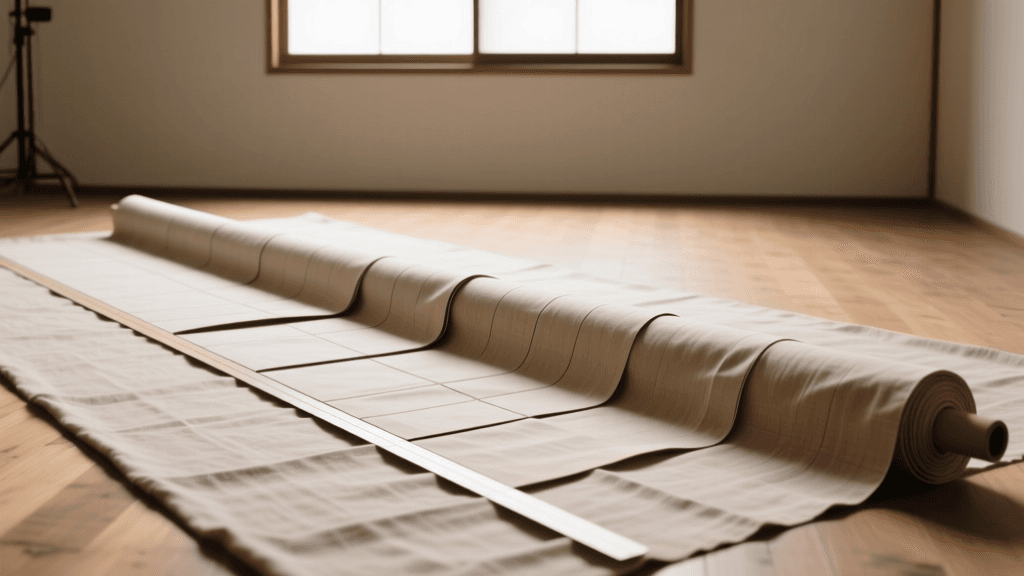
If the kimono is a statement piece, the haori is the ultimate transitional layer. In 2026, the haori has transcended its traditional role as formal outerwear to become a staple in global capsule wardrobes. Because it is cut from the same standard tanmono bolts (typically 36-38 cm wide) as the kimono, it shares the same geometric elegance but offers the ease of a cardigan.
Styling the Haori in 2026:
- The Smart-Casual Office: Pair a solid-colored, unlined silk haori with a crisp white button-down, tailored wide-leg trousers, and leather loafers. Skip the traditional haori himo cords and let the jacket hang open for a relaxed, avant-garde silhouette.
- Weekend Streetwear: Layer a boldly patterned vintage haori (look for mid-century meisen silk with art-deco influences) over a plain black turtleneck and dark selvedge denim. The contrast between the fluid silk and structured denim creates a striking visual balance.
- Evening Elegance: A sheer, monochromatic ro (summer weave) haori worn over a modern slip dress provides an ethereal, textured layer that catches the light beautifully in low-light settings.
Sourcing Authentic Garments in 2026
Acquiring wafuku has never been more accessible, thanks to a robust network of digital archives, specialized exporters, and physical antique markets. When building your collection, consider the following avenues:
Vintage and Antique Markets
For authentic silk pieces with historical pedigree, physical markets in Japan remain unmatched. Tokyo's Oedo Antique Market and Kyoto's To-ji Temple Flea Market offer thousands of vintage kimono and haori. In 2026, a high-quality vintage silk haori in excellent condition typically costs between ¥8,000 and ¥15,000 ($55–$100 USD). Always inspect the hirose (the back seam) and the underarm gussets for signs of stress or discoloration.
Modern Retailers and Sustainable Brands
For washable, ready-to-wear sets that require no tailoring, modern Japanese brands are leading the charge. Brands like Kii to Kii and Wasaraku specialize in machine-washable polyester sets that come with pre-sewn ohashori and stretch obi, reducing dressing time to under five minutes. These sets generally retail for ¥25,000 to ¥45,000 ($170–$310 USD) and are shipped globally with comprehensive English sizing guides.
Proper Care and Storage
Even modern washable wafuku requires careful storage to maintain its geometric lines. Never hang a kimono or haori on a standard Western hanger, as the narrow shoulders will distort the T-shape and stretch the silk. Instead, fold the garment along its original seam lines and store it flat in a breathable cotton tatoushi (garment envelope) with a natural camphor or cedarwood block to deter moisture and insects.
Conclusion
The 2026 wafuku landscape is a vibrant intersection of heritage preservation and modern pragmatism. By understanding the structural nuances of the kimono, embracing the versatility of the haori, and utilizing contemporary fabric innovations, anyone can integrate these magnificent garments into their daily life. Whether you are meticulously folding a vintage silk piece or throwing a washable haori over your favorite denim, you are participating in a living, evolving tradition that continues to captivate the global fashion consciousness.