Kimono On Global Runways: 2026 Fashion Week Trends
The Renaissance of the Kimono Silhouette in 2026
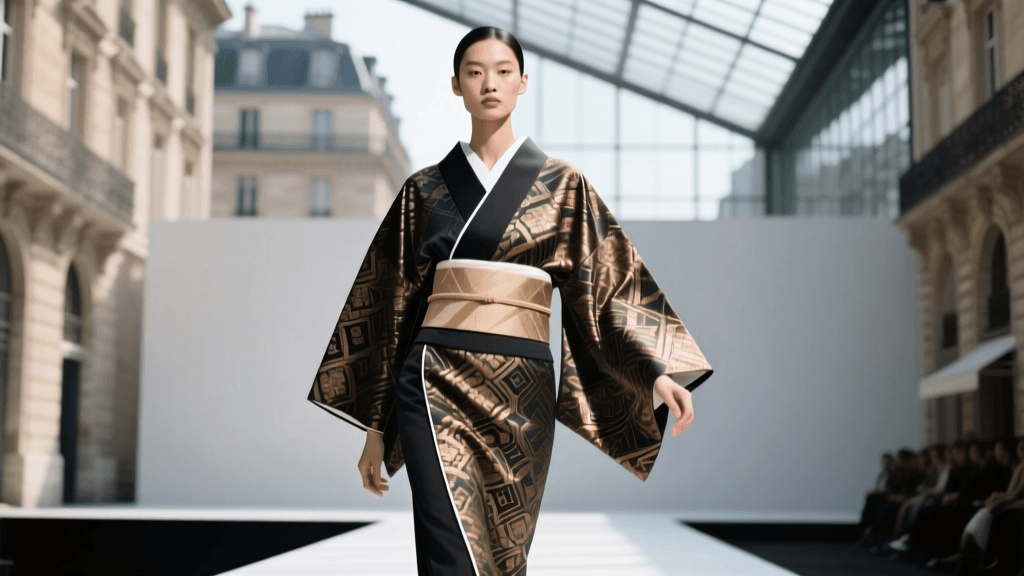
The global fashion landscape for 2026 has witnessed a profound and respectful integration of traditional Japanese garment structures. Moving far beyond the superficial appropriations of the past decade, today’s leading design houses are engaging in deep, structural homages to the kimono. From the sweeping floors of Paris to the minimalist showrooms of Milan, the kimono’s iconic T-shape silhouette, wrap closures, and zero-waste construction methods have become the defining motifs of the 2026 Spring/Summer and Fall/Winter collections.
This year, the focus has shifted from mere aesthetic borrowing to a genuine appreciation of Japanese textile engineering. Designers are prioritizing collaborations with heritage artisans, ensuring that the cultural significance of the garment is preserved while adapting its geometry for contemporary, global wardrobes. The result is a sophisticated fusion where Asian traditions meet avant-garde European tailoring, creating a new paradigm for luxury fashion.
Key Kimono Elements Dominating the 2026 Runways
Nishijin-ori and Yuzen Dyeing Techniques
Textile innovation is at the forefront of this movement. Designers are collaborating directly with Kyoto-based weaving cooperatives to source authentic Nishijin-ori (brocade weaves) and Yuzen (resist-dyed) silks. In 2026, these heritage textiles are being juxtaposed with modern, utilitarian fabrics like recycled nylon and organic hemp. This striking visual contrast honors the historical significance of the kimono while pushing it into the future of sustainable luxury. The intricate metallic threads of Nishijin-ori are now being woven into lightweight, breathable organza, making these opulent fabrics viable for high-fashion summer evening wear.
Deconstructed Obi Belts and Wide Sleeves
The obi, traditionally a wide, stiff sash used to secure the kimono, has been reimagined as a standalone structural accessory. Runway stylists in 2026 are utilizing deconstructed, extra-wide obi belts over tailored wool suits and flowing silk slip dresses, replacing traditional Western corsetry with a more architectural, wrap-based silhouette. Furthermore, the dramatic furisode (long, swinging sleeves) have been adapted into sheer, technical mesh, providing a sense of kinetic movement on the catwalk without the heavy restriction of traditional winter garments.
City-by-City Breakdown: Fashion Week Highlights
The interpretation of the kimono varies drastically across the major fashion capitals. Below is a breakdown of how the top fashion weeks in 2026 have integrated these traditional elements into their marquee collections.
| Fashion Capital | Key Design House | Kimono Element Adapted | 2026 Runway Execution |
|---|---|---|---|
| Paris | Maison Margiela | T-Shape Silhouette & Wrap Closure | Asymmetric silk crepe wrap coats with drop-shoulder seams, secured by hidden internal ties rather than buttons. |
| Milan | Prada | Obi Belt Structure | Stiff, woven jacquard obi belts layered over minimalist, sharp-shouldered tailoring and utilitarian nylon skirts. |
| Tokyo | Undercover | Jinbei & Haori Streetwear Fusion | Tech-fabric haori jackets with waterproof zippers, worn over relaxed, wide-leg cropped trousers inspired by summer jinbei. |
| London | Alexander McQueen | Yuzen Dyeing & Furisode Sleeves | Dark romanticism meets heritage craft; floor-sweeping velvet sleeves featuring hand-painted, nature-inspired Yuzen motifs. |
The Zero-Waste Philosophy: Tanmono and Sustainable Cutting
One of the most critical reasons the kimono has resonated with the 2026 eco-conscious fashion mandate is its inherent sustainability. The traditional kimono is cut from a single, standard-width bolt of fabric known as a tanmono (typically measuring 36 to 40 centimeters in width and 12 meters in length). Because the garment is constructed using straight-line cuts rather than curved Western tailoring patterns, it produces virtually zero textile waste.
According to recent industry analyses on sustainable manufacturing practices, modern luxury houses are now adopting this straight-line cutting method to comply with stringent 2026 European Union textile waste directives. By utilizing the tanmono geometry, designers are not only paying homage to Asian traditions but also actively solving the modern fashion industry's most pressing environmental crisis. The fabric can be entirely unstitched and returned to its original rectangular bolt form, allowing for infinite recycling and upcycling.
How to Translate Runway Kimono Trends into Everyday Wear
While runway pieces are often theatrical, the underlying principles of the 2026 kimono trend can be seamlessly integrated into daily wear. Here is actionable advice on how to adopt these silhouettes, complete with current market pricing and styling metrics.
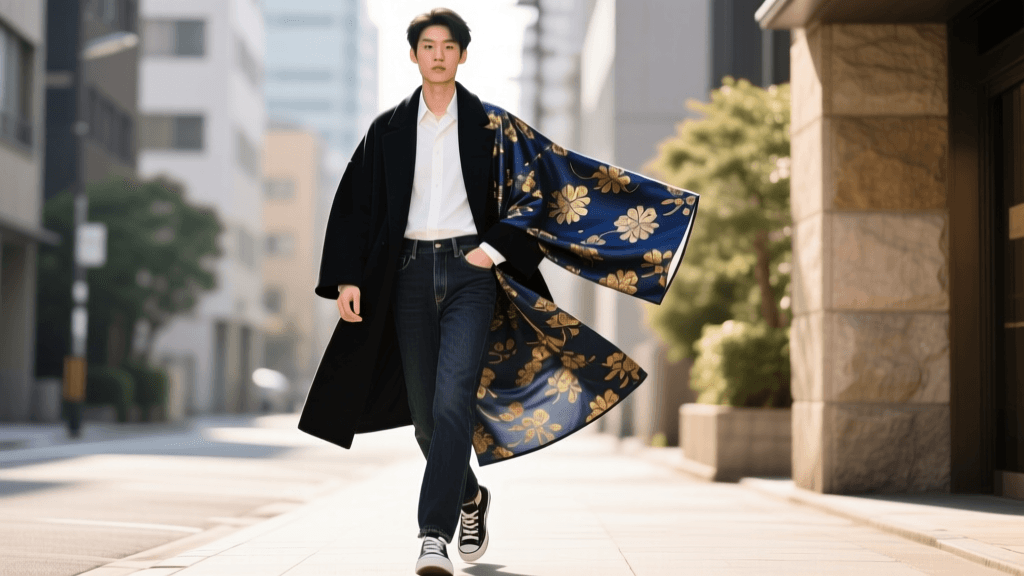
- The Modern Haori Jacket: The haori (a hip- or thigh-length kimono-style jacket) is the most accessible entry point. Look for 2026 iterations in matte crepe or washed linen. Styling Tip: Wear an open-front haori over a simple white t-shirt and straight-leg denim. Ensure the shoulder seam drops at least 5 centimeters past your natural shoulder to maintain the authentic relaxed drape. Expect to invest between $180 and $350 for contemporary, ethically made pieces.
- Obi-Inspired Corsetry and Belting: You do not need a full kimono to utilize the obi. Sourcing a vintage, pre-2000s silk brocade obi from specialized online dealers (typically costing $75 to $150) allows you to wrap it over a modern oversized blazer. Measurement Note: Ensure the obi is at least 15 centimeters wide to provide the necessary lumbar support and architectural shape seen on the Milan runways.
- Tanmono Width Proportions: When shopping for kimono-inspired wrap skirts or trousers, check the fabric panel widths. Authentic-inspired pieces will use 38cm to 42cm wide vertical panels. This specific width creates a distinct, columnar drape that flatters the figure without clinging, a hallmark of the 2026 Parisian aesthetic.
- Footwear Pairings: The split-toe tabi boot remains a staple in 2026. Pair flowing, kimono-sleeved midi dresses with leather tabi boots featuring a 50mm block heel to ground the ethereal silhouette with a touch of industrial edge.
Sourcing Authentic and Inspired Pieces
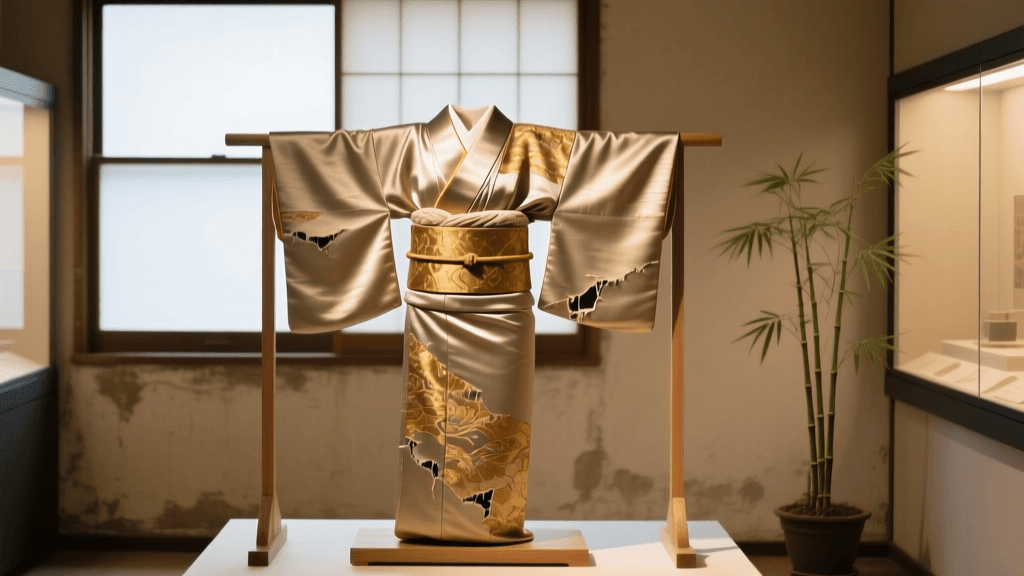
For collectors and enthusiasts seeking authentic garments that mirror runway quality, the secondary market and specialized artisan cooperatives are your best resources in 2026. Vintage silk komon (everyday kimonos with repeating micro-patterns) are highly sought after for their versatile styling potential. When purchasing vintage, always verify the mitsu-ura (the inner lining) for signs of structural wear, and ensure the sleeve length aligns with your arm span for a modernized, cropped look.
For those preferring new, designer interpretations, look for brands that explicitly state their collaboration with Japanese weaving guilds. Transparency in the supply chain is a major hallmark of the 2026 luxury market. As noted in comprehensive runway coverage of the current season, the most celebrated collections are those that credit their regional artisans by name, bridging the gap between ancient Asian traditions and the modern global consumer.
Conclusion
The presence of the kimono on the 2026 global runways is not a fleeting trend; it is a permanent recalibration of how the fashion industry views garment construction, sustainability, and cultural respect. By embracing the zero-waste tanmono cutting method, the structural brilliance of the obi, and the breathtaking artistry of Nishijin-ori weaving, the global fashion community has found a timeless blueprint for the future of luxury.