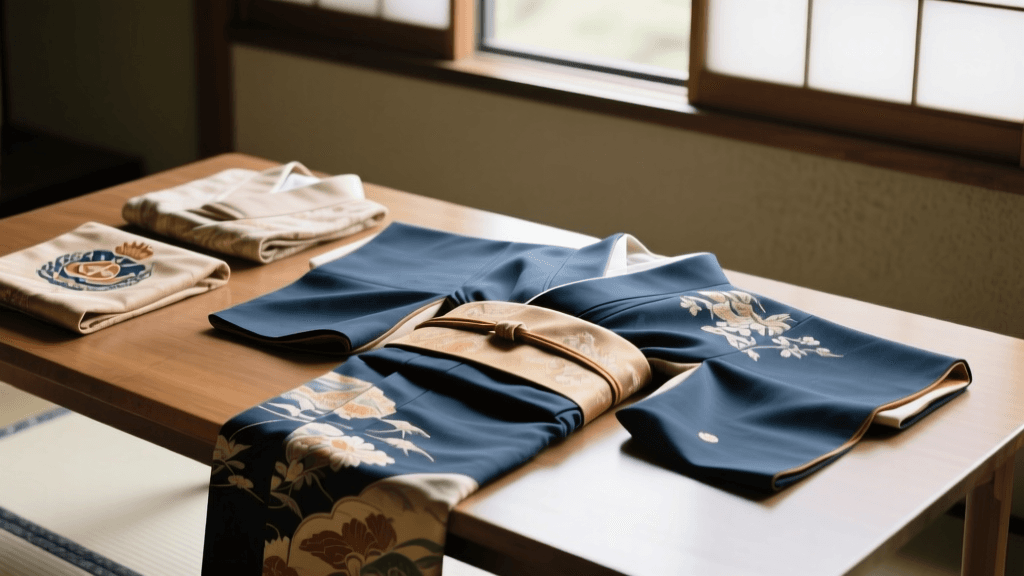
2026 Global Runway Trends: Kimono Silhouettes In Haute Couture

The Renaissance of the Kimono Silhouette in 2026
The intersection of traditional Japanese garments and Western haute couture has reached a profound new maturity in 2026. No longer relegated to mere exotic references or superficial costume design, the kimono has become a foundational architectural element for the world's leading fashion houses. From the grand ateliers of Paris to the avant-garde studios of Tokyo, the Spring/Summer and Fall/Winter 2026 collections have demonstrated a deep, respectful, and highly technical integration of Japanese garment-making philosophies. The global runway is currently witnessing a renaissance where the T-shaped silhouette, the straight-seam construction, and the intricate wrapping techniques of the kimono are being reimagined for a modern, gender-fluid, and sustainability-conscious luxury market.
According to the Victoria and Albert Museum's landmark exhibition archives, the dialogue between Japanese dress and Western fashion has been ongoing since the late 19th century. However, the 2026 runway season marks a distinct shift from cultural appropriation to authentic artisanal collaboration. European luxury conglomerates are now directly partnering with multi-generational weaving cooperatives in Kyoto and Kanazawa, ensuring that techniques like Nishijin-ori (brocade weaving) and Yuzen (resist dyeing) are compensated fairly and credited accurately on global platforms.
The 2026 Runway Landscape: Paris, Milan, and Tokyo
During Paris Fashion Week 2026, the concept of 'Ma' (negative space) was heavily explored through oversized haori jackets and deconstructed obi belts. Designers moved away from the restrictive tailoring of Western suiting, opting instead for the kimono's philosophy of wrapping the body in flat planes of fabric that only take shape when worn. The dropped shoulder, a hallmark of the traditional kimono, was exaggerated in 2026 to create dramatic, cocoon-like outerwear that prioritizes comfort without sacrificing high-fashion drama.
In Milan, the focus shifted to textile innovation and the integration of vintage kimono silks into ready-to-wear luxury. Upcycling has become a central pillar of Italian fashion houses, with many 2026 collections featuring trench coats and evening gowns spliced with authentic, pre-loved Meiji and Taisho-era kimono textiles. This not only provides a unique, one-of-a-kind aesthetic but also aligns with the industry's urgent sustainability mandates. Meanwhile, Tokyo Fashion Week 2026 championed the 'Neo-Kimono' movement, where streetwear brands and traditional artisans collaborated to create modular, genderless garments that can be worn as both casual daily wear and high-end evening attire.
Comparison: Traditional Elements vs. 2026 Runway Adaptations
Understanding the nuances between authentic traditional garments and their high-fashion counterparts is essential for collectors, buyers, and fashion historians. The table below outlines how core kimono elements have been translated for the 2026 global runways.
| Garment Element | Traditional Form | 2026 Runway Adaptation | Key Designers/Brands |
|---|---|---|---|
| Silhouette | T-shaped, straight seams, flat construction | Oversized, dropped shoulders with hidden internal darts for movement | Comme des Garçons, Maison Margiela |
| Collar (Eri) | Wide, overlapping left over right, exposing the nape | Asymmetrical lapels, detachable silk collar accents, deep V-plunges | Dior, Yohji Yamamoto |
| Sleeves (Sode) | Rectangular, varying depths (e.g., Furisode, Tomesode) | Batwing sleeves, split cuffs, adjustable drawstring hems | Gucci, Issey Miyake |
| Belt (Obi) | Wide, stiff brocade, tied in complex knots (Musubi) | Structured leather corset-obi hybrids, detachable sash belts | Saint Laurent, Undercover |
| Textile | 100% Silk, Hemp, or Ramie, woven or dyed | Recycled silk blends, vegan leather accents, digital Yuzen printing | Loewe, Sacai |
Deep Dive: Textile Innovations and Artisanal Collaborations
The true luxury of the 2026 kimono-inspired runway pieces lies in the textiles. The Kyoto Costume Institute Digital Archives frequently highlights the historical importance of regional textile techniques, and this year's fashion weeks have brought these regional specialties to the forefront of global luxury.
Nishijin-ori and the New Brocade
Nishijin-ori, the highly complex brocade weaving technique native to Kyoto, has been adapted for 2026 outerwear. Traditionally used for heavy, formal obi belts, French and Italian ateliers are now utilizing a lighter, modified Nishijin weave incorporating metallic threads and recycled polyester to create structured blazers and evening coats. These pieces retail between €4,500 and €8,000, reflecting the hundreds of hours of loom work required.
Shibori and Yuzen in Modern Dyeing
While digital printing has advanced, the top-tier luxury houses are rejecting pixel-perfect replication in favor of the organic imperfections of hand-dyed Shibori (tie-dye) and Yuzen (paste-resist dyeing). In the Spring/Summer 2026 collections, we saw Yuzen techniques applied not just to silk, but to innovative materials like cupro and Tencel, allowing the traditional motifs of cranes, pine, and plum blossoms to drape with a modern, liquid fluidity.
Actionable Buyer's Guide: Investing in Runway-Inspired Pieces
For fashion enthusiasts and collectors looking to acquire kimono-inspired haute couture or premium ready-to-wear in 2026, navigating the market requires a discerning eye. Here is a practical guide to sourcing, sizing, and investing in these garments.
1. Verifying Textile Authenticity
When purchasing a piece marketed as 'hand-dyed Yuzen' or 'vintage kimono silk,' always request the garment's provenance and technical breakdown. Authentic Yuzen will feature a slight stiffness along the resist-dye lines where the rice paste was applied and washed out, and the colors will penetrate fully to the reverse side of the fabric. Digital prints, conversely, will often leave the inside of the fabric stark white. According to The Metropolitan Museum of Art's textile conservation guidelines, the structural integrity of the dye is a primary indicator of traditional craftsmanship.
2. Navigating Sizing and Proportions
Traditional kimonos are essentially one-size-fits-all, adjusted through the wrapping process and the folding of the ohashori (the waist tuck). However, 2026 runway adaptations are graded into standard Western sizing (XS to XXL). When buying a kimono-silhouette coat or jacket, pay close attention to the shoulder drop and sleeve length. A standard runway haori jacket will feature a 35cm to 45cm sleeve drop. Ensure that the armhole depth accommodates the bulkier sweaters or layering pieces typical of Fall/Winter styling.
3. Price Points and Investment Value
- Entry-Level Luxury (€800 - €1,500): Ready-to-wear silk-blend haori jackets, digital-print kimono wrap dresses, and obi-inspired leather belts from contemporary designers.
- Mid-Tier Couture (€2,500 - €5,500): Hand-finished Shibori silk coats, upcycled vintage kimono trench coats, and tailored suits featuring authentic Nishijin-ori lapels.
- Haute Couture / Archival (€10,000+): Bespoke, made-to-measure runway pieces featuring hundreds of hours of hand-embroidery, gold leaf application, and direct collaborations with Living National Treasure artisans in Japan.
Care and Maintenance for Hybrid Garments
Maintaining a garment that bridges traditional Japanese silk and modern Western tailoring requires specialized care. Never attempt to machine wash or dry clean a hybrid kimono garment without consulting a specialist who understands both Western structural interlinings and delicate Japanese silks. The internal canvassing of a haute couture kimono-blazer can be destroyed by the harsh chemicals used in standard dry cleaning.
For storage, avoid wire hangers which will distort the dropped shoulder and stretch the delicate silk crepe (chirimen). Instead, use wide, padded wooden hangers and store the garments in breathable, unbleached cotton garment bags. If the piece features metallic Nishijin threads or delicate Yuzen dyes, keep it in a climate-controlled environment away from direct sunlight to prevent the silk from degrading and the natural dyes from fading.
The Future of Japanese Textiles in Global Fashion
As we move through 2026, it is clear that the kimono's influence on global runways is not a fleeting trend, but a permanent structural shift in how designers approach the relationship between fabric and the human body. The emphasis on flat-pattern cutting, zero-waste construction, and the celebration of artisanal imperfection aligns perfectly with the luxury sector's pivot toward sustainability and mindful consumption. By investing in these runway adaptations, collectors are not just buying clothes; they are participating in a vital, ongoing cultural exchange that ensures the survival and evolution of Japan's most iconic garment for generations to come.