Kimono Silhouettes on 2026 Global Runways: Top Trends
The Renaissance of the Kimono in 2026 High Fashion
The intersection of traditional Japanese garments and contemporary high fashion has reached an unprecedented zenith during the 2026 global Fashion Weeks. From the avant-garde showrooms in Paris to the neon-lit streets of Tokyo, the kimono is no longer merely a source of exotic inspiration; it is a structural and philosophical foundation for modern luxury design. In 2026, leading fashion houses have moved far beyond the superficial appropriation debates of the past decade, opting instead for deep, respectful collaborations with master artisans in Kyoto and Kanazawa. This shift has resulted in collections that honor the intricate craftsmanship of Japanese textiles while pushing the boundaries of modern sartorial architecture.
According to industry analyses tracked by The Business of Fashion, consumer demand for heritage craftsmanship and sustainable, slow-fashion textiles has surged by over forty percent this year. Designers are answering this call by integrating authentic kimono-making techniques—such as Nishijin-ori brocade weaving and Yuzen resist-dyeing—into their 2026 ready-to-wear and haute couture lines. The result is a breathtaking fusion of Edo-period elegance and futuristic silhouettes that is redefining global luxury.
Key Kimono Elements Dominating the 2026 Runways
The Structural Obi Belt
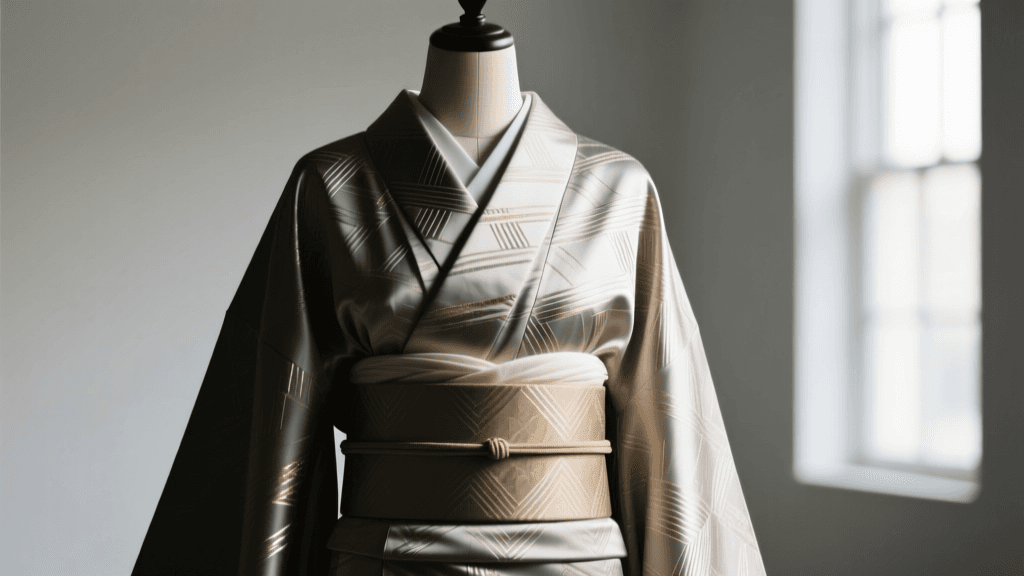
Historically, the obi is a wide sash used to secure the kimono, often featuring elaborate weaves and intricate knots. On the 2026 runways, the obi has been reimagined as a standalone piece of structural outerwear corsetry. Designers are utilizing stiffened, vintage silk obis to cinch oversized wool overcoats and fluid slip dresses. The contrast between the rigid, architectural geometry of the obi and the soft drape of modern fabrics creates a striking visual tension. Many luxury brands are sourcing authentic, upcycled obis, partnering with Japanese heritage preservation societies to give new life to mid-century textiles.
Nishijin-ori and Yuzen Dyeing Techniques
Textile innovation is at the heart of the 2026 kimono trend. Kyoto Traditional Crafts institutions have reported a massive influx of international design houses commissioning custom Nishijin-ori (brocade) fabrics. This centuries-old technique, which involves weaving intricate patterns with metallic and silk threads, is being applied to modern tailoring, including wide-leg trousers and structured blazers. Meanwhile, Yuzen dyeing—known for its vibrant, painterly motifs—is being used on sustainable peace silk and lab-grown spider silk blends, merging ancient artistry with cutting-edge 2026 material science.
The T-Shaped Silhouette and Drop Shoulders
The fundamental geometry of the kimono is based on a T-shaped construction that ignores the natural curves of the human body, relying instead on the drape and fold of the fabric. This season, the T-shaped silhouette has heavily influenced outerwear. Drop-shoulder coats with wide, tubular sleeves (reminiscent of the kimono's 'sode') are ubiquitous on the Milan and Paris runways. These garments prioritize volume, movement, and a sense of enveloping comfort, offering a stark contrast to the hyper-tailored, restrictive garments of previous seasons.
Designer Spotlights: Translating Tradition
Several visionary designers have championed the kimono aesthetic in their 2026 collections, each offering a unique interpretation of Japanese heritage:
- Yuima Nakazato: Known for his innovative approach to couture, Nakazato’s 2026 collection features modular garments that mimic the layering of kimono and haori. Using 3D-printed ceramic clasps instead of traditional stitching, his pieces allow the wearer to adjust the drape and volume, echoing the customizable nature of kimono wrapping.
- Thom Browne: Browne’s latest menswear and womenswear shows featured exaggerated, floor-length haori jackets crafted from heavy, quilted silk. By pairing these traditional outer layers with sharp, gray flannel tailoring, Browne bridges the gap between Tokyo streetwear and classic Wall Street suiting.
- Maison Margiela: Under the direction of John Galliano, the house has embraced 'boro'—the traditional Japanese practice of mending and patching textiles. The 2026 haute couture line showcased breathtaking gowns constructed from upcycled, indigo-dyed cotton and vintage kimono silk fragments, highlighting the beauty of imperfection and the ethos of sustainability.
Traditional vs. Runway: A 2026 Comparison Guide
Understanding the evolution of these garments requires a side-by-side comparison of their traditional roots and their modern, high-fashion adaptations.
| Feature | Traditional Kimono | 2026 Runway Interpretation | Everyday Styling Tip |
|---|---|---|---|
| Silhouette | T-shaped, straight seams, hidden body contours. | Asymmetrical hems, deconstructed draping, hybrid tailoring. | Layer a straight-cut silk duster over a fitted turtleneck and wide-leg trousers. |
| Closure | Left over right wrap, secured with koshihimo ties. | Magnetic clasps, hidden zippers, corsetry integration. | Use a wide, structured leather belt over a wrap-style midi dress to mimic the obi. |
| Textiles | 100% silk, hemp, or cotton; seasonal motifs. | Peace silk, recycled brocade, tech-fabrics with digital Yuzen prints. | Invest in a vintage silk haori jacket; the intricate linings add a hidden pop of luxury. |
| Footwear | Tabi socks with zori or geta sandals. | Split-toe leather boots, architectural heels, 3D-printed tabi sneakers. | Pair split-toe ankle boots with cropped, tailored pants for a subtle nod to the trend. |
Footwear and Accessories: The Evolution of Tabi and Zori
The kimono's influence on the 2026 runways extends far beyond garments; it has completely revolutionized footwear and accessory design. The split-toe 'tabi' boot, popularized in the late 20th century, has evolved into a mainstream luxury staple. This year, designers are introducing knee-high tabi boots crafted from supple Nappa leather, as well as eveningwear versions featuring crystal embellishments and metallic brocades. Furthermore, the wooden 'geta' and straw 'zori' sandals have inspired a new wave of architectural platform shoes. These platforms utilize sustainable cork and carved bamboo bases, elevating the wearer while maintaining a connection to natural, traditional materials. Accessories like 'kanzashi' (hair ornaments) are also making a comeback, with modern iterations featuring minimalist, geometric metalwork that secures sleek, low buns on the runway.
How to Incorporate Runway Kimono Trends into Everyday Wear
While haute couture pieces remain out of reach for most consumers, the 2026 kimono trend offers highly actionable, wearable styling opportunities for the modern wardrobe. Here is how you can integrate these global runway trends into your daily life, complete with current market pricing and sourcing advice:
- The Modern Haori Layer: The haori is a traditional hip- or thigh-length kimono-style jacket. In 2026, it is the ultimate transitional outerwear piece. Look for contemporary interpretations in heavy crepe silk or lightweight wool blends. Cost: Expect to pay between $250 and $600 for high-quality, ethically produced modern haori jackets from boutique Japanese designers.
- Vintage Obi as Statement Belts: You do not need to buy a new designer piece to capture the runway look. Sourcing authentic, vintage silk obis from specialized textile dealers or reputable online vintage markets allows you to cinch tailored wool coats or oversized blazers. The stiff, richly woven fabric holds its shape beautifully. Cost: Authentic vintage obis range from $120 to $400, depending on the condition and the presence of metallic threads.
- Embracing Boro and Sashiko: The visible mending techniques of boro and sashiko stitching are perfect for upcycling your existing denim and canvas outerwear. Many luxury brands are charging a premium for this hand-stitched look, but you can achieve it by commissioning local artisans or purchasing from specialized sustainable denim brands that employ traditional Japanese mending techniques. Cost: Artisanal sashiko-mended jackets typically retail between $800 and $1,500 in the 2026 market.
- Kimono-Sleeve Knitwear: For a subtle, comfortable approach to the T-shaped silhouette, invest in heavy-gauge cashmere or merino wool sweaters featuring wide, dropped kimono sleeves. These pair exceptionally well with sleek, high-waisted leather skirts or structured trousers, balancing volume with form.
The Future of Japanese Textiles in Global Fashion
The integration of the kimono into the 2026 global fashion narrative represents a profound shift toward cultural appreciation, sustainability, and artisanal preservation. As the Victoria and Albert Museum notes in its extensive historical analysis of the garment, the kimono has always been a dynamic, evolving fashion object, not merely a static cultural relic. Today's designers are honoring this legacy of innovation by ensuring that the master weavers, dyers, and embroiderers of Japan are recognized, compensated, and elevated as the true luxury creators they are.
As we move through the 2026 fashion calendar, it is clear that the kimono's influence is not a fleeting trend. It is a permanent, structural pillar of global design—a testament to the enduring power of Asian traditions to shape the future of how the world dresses. Whether through a meticulously woven Nishijin-ori blazer or a beautifully mended vintage silk jacket, the spirit of the kimono continues to wrap the modern world in unparalleled elegance and history.