Global Runway Kimono Trends: 2026 Fashion Week Guide
The Renaissance of the Kimono Silhouette in 2026
The global fashion landscape of 2026 has witnessed a profound and respectful renaissance of the traditional Japanese kimono. Moving far beyond the superficial orientalism of past decades, the Spring/Summer and Fall/Winter 2026 runway seasons in Paris, Milan, and Tokyo have showcased a deep, structural appreciation for Japanese garment engineering. Designers are no longer merely printing cherry blossoms onto Western cuts; instead, they are deconstructing and rebuilding the fundamental architecture of the kimono. The iconic T-shape silhouette, the linear drape, and the intricate layering techniques are now at the forefront of high fashion, signaling a global pivot towards heritage-driven, slow-fashion narratives.
International fashion weeks this year have highlighted a fascinating dialogue between ancestral Japanese craftsmanship and futuristic textile innovation. As consumers and critics alike demand greater sustainability and cultural depth in luxury fashion, the kimono offers a masterclass in zero-waste pattern cutting and modular styling. According to the Kyoto Costume Institute Digital Archives, the historical evolution of the kimono has always been one of adaptation, and the 2026 runway interpretations are the latest chapter in this ongoing sartorial evolution.
Key Kimono Elements Dominating the 2026 Runways
The Obi Belt as Structural Couture
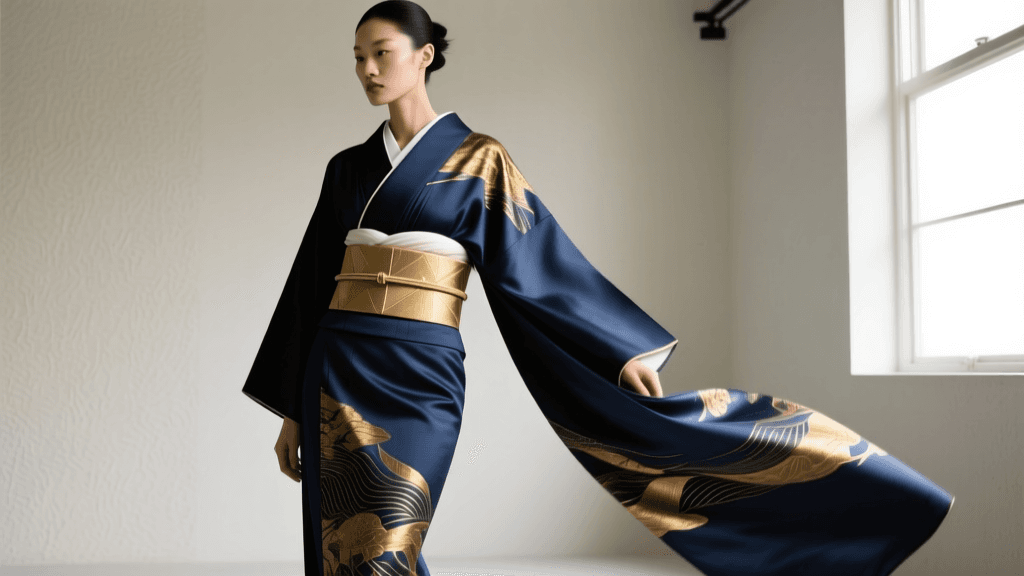
In 2026, the obi—the wide, decorative sash used to secure a kimono—has been reimagined as a piece of structural couture. Runway stylists and avant-garde designers are utilizing the rigid, brocade nature of the fukuro obi to create corseted waistlines, architectural hip panniers, and asymmetrical torso wraps. Unlike the soft, fabric belts of previous seasons, the 2026 obi-inspired accessories maintain a stiff, sculptural quality. Designers are integrating internal boning and magnetic closures into traditional Nishijin-ori weaves, allowing the garment to hold dramatic, gravity-defying shapes on the catwalk while remaining functional for the wearer.
Nishijin-ori and Shibori Textile Integration
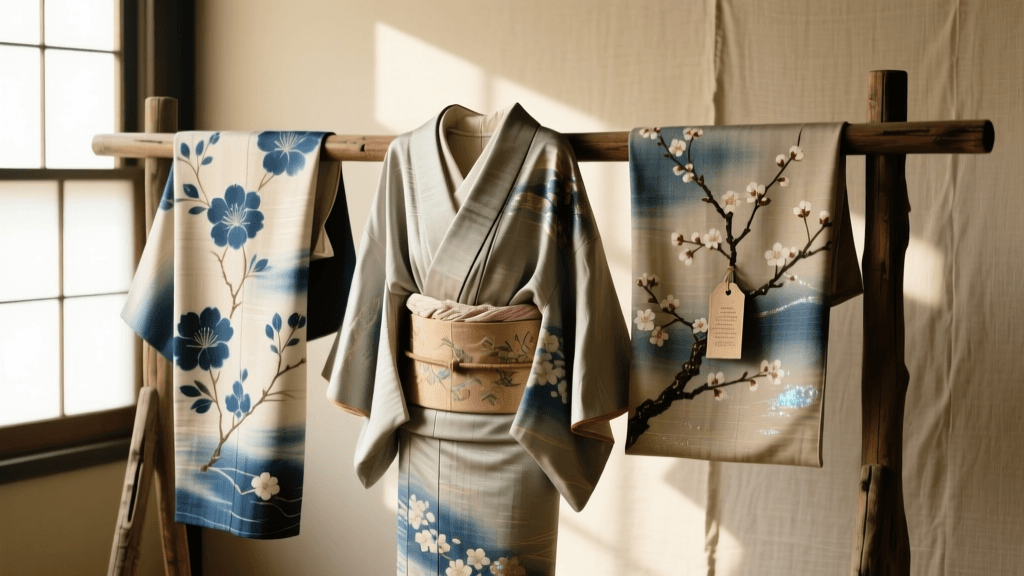
Textile innovation is the heartbeat of the 2026 Asian traditions revival. Nishijin-ori, the luxurious, multi-layered silk weaving technique originating from Kyoto, is being blended with recycled metallic threads and bio-resins to create weather-resistant, high-sheen runway pieces. Simultaneously, Shibori (manual resist dyeing) has evolved. Instead of traditional indigo, 2026 collections feature thermochromic Shibori patterns that shift color in response to the wearer's body heat and the ambient runway lighting. This marriage of ancient hand-dyeing methods with smart-fabric technology represents the pinnacle of modern luxury.
The Drop-Shoulder and Wide-Sleeve Drape
The physical geometry of the kimono relies on a straight-line cutting method that wastes virtually no fabric. The 2026 runways have embraced this zero-waste drop-shoulder construction, featuring exaggerated, floor-grazing sleeves inspired by the formal furisode. However, modern iterations utilize ultra-lightweight tech-organza and cupro blends, allowing the massive sleeves to billow dramatically behind the model as they walk, creating a kinetic, ethereal effect that has become a signature of the 2026 eveningwear aesthetic.
Designer Spotlights: Who is Leading the Movement?
Several heritage houses and emerging visionaries are spearheading the 2026 kimono-runway movement. Maison Margiela's Artisanal line continues to deconstruct vintage silk kimono, reassembling the panels into avant-garde trench coats and bias-cut gowns that honor the original fabric's painted motifs. Meanwhile, Japanese designers like Yuima Nakazato are utilizing 3D-printed bio-smocking techniques to mimic the intricate texture of shibori without the use of water or chemical dyes, presenting a hyper-modern take on traditional Japanese aesthetics.
Furthermore, Dior's 2026 resort collections have leaned heavily into the layering of the kimono and the haori (jacket), utilizing sheer silk organza to create ghostly, layered silhouettes that reference the Heian period's junihitoe (twelve-layered kimono), but adapted for the modern, minimalist luxury consumer. The Metropolitan Museum of Art's Heilbrunn Timeline of Art History notes that the kimono has historically served as a canvas for personal expression and social signaling; today's designers are using that exact same canvas to signal a commitment to global craftsmanship and cross-cultural respect.
Traditional vs. Runway: A Structural Comparison
Understanding the difference between an authentic, traditional garment and its high-fashion 2026 counterpart is crucial for collectors and fashion historians. Below is a structural comparison of the two paradigms.
| Feature | Traditional Honba (Authentic) Kimono | 2026 Runway Interpretation |
|---|---|---|
| Silhouette | Strict T-shape, linear drape, cylindrical body | Asymmetrical, deconstructed T-shape, volume manipulation |
| Panel Width | Standard 36cm per panel (tanhaku) | Expanded 50-70cm panels for exaggerated drape |
| Fastening | Obi secured with obijime (cord) and obiage (scarf) | Hidden magnetic closures, corseted obi hybrids, tie-belts |
| Textiles | 100% Silk (Tango chirimen, Rinzu) | Tech-silk blends, upcycled organza, bio-synthetics |
| Sleeve Style | Kosode (small sleeve) or standard Furisode | Exaggerated floor-grazing, split-seam kinetic sleeves |
How to Incorporate Runway Kimono Trends into Everyday Wear
You do not need a couture budget to participate in the 2026 kimono-runway trend. By sourcing authentic vintage pieces and applying modern styling techniques, you can achieve the high-fashion silhouette in your daily wardrobe. Here is actionable advice for integrating these elements in 2026:
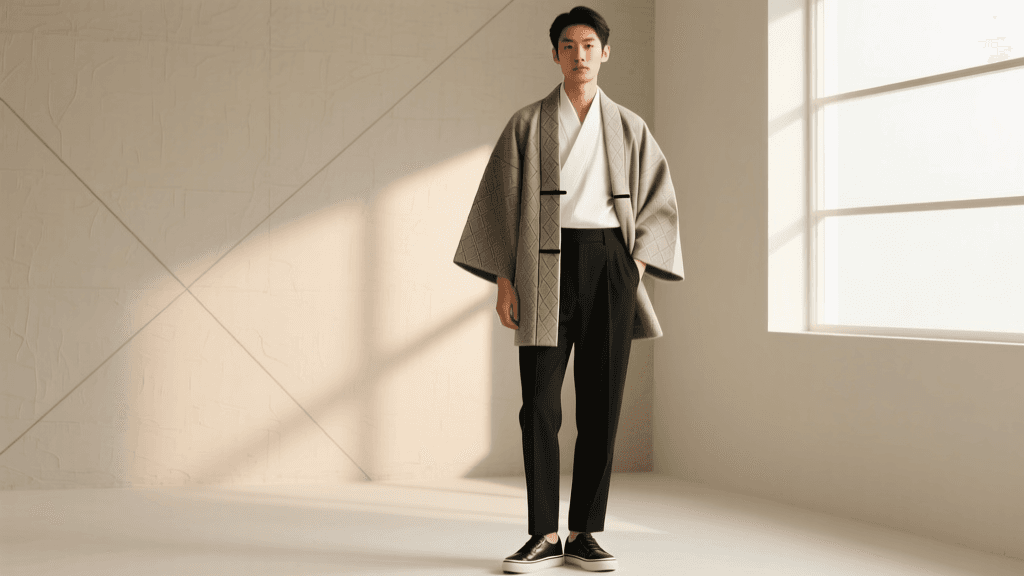
- The Haori as Outerwear: The vintage silk haori is the most accessible entry point. In 2026, premium vintage haori (sourced from reputable Kyoto exporters) range from $180 to $450 USD. Wear an unlined, lightweight silk haori over a structured, monochromatic Western suit or a simple cashmere turtleneck and wide-leg trousers. The contrast between the rigid Western tailoring and the fluid Japanese drape is a hallmark of the current season.
- Obi Belt Styling: Purchase a vintage maru obi or fukuro obi (approx. $120-$300 USD). Instead of tying it traditionally, use it as a wide corset belt over an oversized white poplin shirt dress or a tailored blazer. Secure it with a discreet leather belt wrapped around the outside, or use heavy-duty fashion tape to maintain the stiff, architectural fold of the brocade.
- Layering with Juban: The nagajuban (under-kimono) features a beautiful, detachable collar called a han-eri. In 2026, street-style icons are layering brightly embroidered vintage han-eri collars over modern crewneck sweaters and denim jackets, providing a subtle, sophisticated flash of traditional Japanese textile art near the face.
- Footwear Adaptations: Runway shows this year paired traditional silhouettes with split-toe (tabi) leather ankle boots and elevated wooden geta hybrids. Look for contemporary cobblers offering rubber-soled tabi boots, which provide the aesthetic of traditional zori sandals but with the weather-resistance required for modern urban commuting.
Cultural Appreciation vs. Appropriation on the Runway
As the kimono's influence on global runways peaks in 2026, the conversation surrounding cultural appreciation versus appropriation remains vital. The most celebrated designers this year are those who engage directly with Japanese artisans, crediting specific weaving cooperatives in Nishijin and dyeing guilds in Kanazawa. True appreciation involves understanding the garment's rules before breaking them. As highlighted by the Victoria and Albert Museum's Asian Collections, the kimono is not merely a costume, but a complex system of social and seasonal signifiers.
For the modern consumer and fashion enthusiast, respecting the garment means investing in authentic pieces rather than mass-produced, fast-fashion knockoffs that misappropriate sacred or highly specific familial crests (kamon). By supporting the vintage market and collaborating with certified Japanese textile houses, the global fashion industry is finally honoring the kimono not just as a beautiful shape, but as a living, breathing masterpiece of Asian tradition.