2026 Kimono Guide: Birth, Coming-of-Age & Memorial Ceremonies
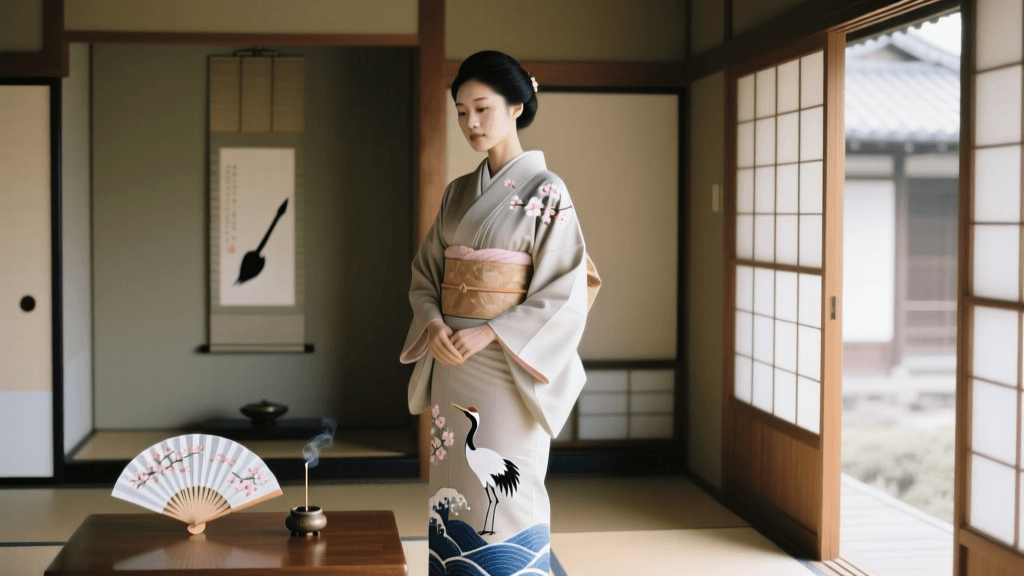
The Enduring Elegance of Kimono in Japanese Family Milestones
In Japan, the kimono is far more than a traditional garment; it is a wearable archive of family history, social status, and cultural reverence. As we navigate through 2026, the landscape of Japanese family ceremonies continues to evolve, blending centuries-old Shinto and Buddhist traditions with modern sensibilities. Sustainable fashion has deeply influenced the kimono industry this year, with a massive surge in eco-conscious vintage rentals and the use of advanced, climate-adaptive fabrics for undergarments. Whether welcoming a newborn to the local shrine, celebrating the transition into adulthood, or honoring ancestors during solemn memorial services, selecting the correct kimono requires a nuanced understanding of etiquette, seasonal motifs, and contemporary 2026 trends.
This comprehensive guide explores the specific kimono requirements for three major pillars of Japanese family life: birth ceremonies (Omiyamairi), Coming-of-Age Day (Seijin no Hi), and memorial observances. According to cultural overviews provided by the Japan National Tourism Organization (JNTO), these milestones remain the most significant occasions for modern Japanese families to engage with traditional textile arts, supporting local artisans and regional dyeing guilds across the country.
Omiyamairi: Welcoming the Newborn (Birth Ceremonies)
Omiyamairi (or Miyamairi) is the traditional Shinto shrine visit that takes place approximately one month after a baby is born. The purpose is to express gratitude to the local guardian deity (ujigami) for the safe delivery of the child and to pray for the infant's health and longevity. In 2026, while many families opt for casual modern clothing for the physical walk to the shrine due to postpartum recovery considerations, the actual blessing ceremony still heavily features traditional garments.
The Baby's Garment: The Uwagi
The centerpiece of the ceremony is the uwagi, a stunning outer robe draped over the baby, who is typically held by the paternal grandmother. The uwagi is usually made of luxurious silk crepe (chirimen) or silk satin (rinzu). For boys, the motifs often feature hawks, samurai helmets (kabuto), or treasure ships, symbolizing strength and prosperity. For girls, floral motifs like peonies, cherry blossoms, and cranes are prevalent, representing beauty and grace. In 2026, rental shops in Kyoto and Tokyo are offering lightweight, breathable silk-linen blend uwagi specifically designed for summer shrine visits, ensuring infants do not overheat in Japan's increasingly warm humid seasons.
The Mother's Attire: Houmongi and Tsukesage
Mothers attending the shrine visit typically wear a Houmongi (visiting kimono) or a Tsukesage. The Houmongi is characterized by patterns that flow continuously across the seams, making it highly formal and appropriate for joyous shrine blessings. Soft, auspicious colors like pale pink, light green, or cream are preferred. However, because nursing and holding the baby can be physically demanding, many mothers in 2026 are utilizing modern juban (undergarments) equipped with phase-change cooling technology to maintain comfort throughout the ritual.
Seijin no Hi: The 2026 Coming-of-Age Celebrations
Held annually on the second Monday of January, Seijin no Hi (Coming-of-Age Day) is a vibrant national holiday. January 12, 2026, marks this year's celebration. Following the Japanese civil code revision that lowered the legal age of adulthood to 18, municipalities have spent the last few years adjusting their celebration formats. By 2026, a dual-cohort culture has solidified: many cities hold official ceremonies for 18-year-olds, while community and family gatherings often still center around the traditional "Hatachi" (age 20) milestone, as 20 remains the legal age for drinking and smoking. Societal analyses from Nippon.com highlight how this shift has actually revitalized the kimono rental market, as families now frequently rent garments twice for the same child's transition into different stages of young adulthood.
Furisode: The Pinnacle of Youthful Elegance
For young women, the Furisode is the undisputed garment of the day. Recognizable by its dramatically long, swinging sleeves (ranging from 85cm to 114cm), the Furisode is the most formal kimono for unmarried women. The 2026 trend heavily favors "Taisho Roman" revivals—bold, retro-modern geometric patterns, deep jewel tones, and contrasting vintage obi belts. Accessories have also evolved; while traditional floral kanzashi (hair ornaments) remain popular, many young women are incorporating minimalist, modern metallic hairpins that bridge the gap between Edo-period elegance and contemporary fashion.
Montsuki Hakama: Formal Menswear
While many young men opt for Western suits in 2026, those embracing tradition wear the Montsuki Hakama. This ensemble consists of a black silk kimono adorned with five family crests (kamon), paired with a stiff, pleated hakama skirt and a haori jacket. The stark, monochromatic palette exudes dignity and maturity, marking the young man's official entry into adult society.
Mofuku and Iromuji: Honoring Ancestors and Memorials
Japanese memorial services, including funerals, the summer Obon festival, and the spring/autumn Higan equinoxes, require strict adherence to sartorial etiquette. The garments worn during these times reflect the mourner's relationship to the deceased and the passage of time since the passing.
Mofuku: The Deepest Mourning
For immediate family members attending a funeral or the first memorial service, Mofuku is mandatory. Mofuku is a completely matte black silk kimono bearing five white family crests. The obi, obi-jime (cord), and obi-age (sash) must also be black or stark white. In 2026, the rules regarding accessories remain uncompromising: shiny fabrics, metallic threads, and glossy jewelry are strictly forbidden, as they are considered disrespectful to the somber nature of the event. The only permissible jewelry is a single strand of white pearls or matte black onyx, symbolizing tears.
Iromuji: Subdued Elegance for Later Memorials
For third-year and subsequent memorial services, or for extended family members attending Obon gatherings, Iromuji is the appropriate choice. An Iromuji is a solid-colored kimono in subdued, muted tones such as navy, charcoal, deep plum, or slate grey. It typically bears one or three family crests. The Agency for Cultural Affairs notes that the preservation of traditional dyeing techniques is heavily supported by the continued demand for high-quality Iromuji, as the lack of patterns means the fabric's weave and dye depth must be absolutely flawless. Paired with a subtle, dark obi featuring understated woven motifs like lotuses or clouds, the Iromuji conveys quiet respect and ongoing remembrance.
2026 Kimono Ceremony Cost & Rental Comparison
Navigating the financial aspects of traditional garments can be daunting. The table below outlines the estimated 2026 market rates for purchasing versus renting kimono for major family ceremonies in Japan. Prices are in Japanese Yen (JPY) and reflect average costs at reputable specialty shops in major metropolitan areas like Tokyo, Kyoto, and Osaka.
| Ceremony | Primary Garment | 2026 Rental Cost (JPY) | Purchase Cost (JPY) | Booking Lead Time |
|---|---|---|---|---|
| Omiyamairi (Birth) | Baby's Uwagi & Mother's Houmongi | ¥15,000 - ¥25,000 (Set) | ¥80,000 - ¥150,000 | 1 Month |
| Seijin no Hi (Coming-of-Age) | Furisode (Full Set) | ¥40,000 - ¥75,000 | ¥250,000 - ¥600,000+ | 6 - 12 Months |
| Seijin no Hi (Men) | Montsuki Hakama Set | ¥15,000 - ¥25,000 | ¥120,000 - ¥200,000 | 2 - 3 Months |
| Funeral / First Memorial | Mofuku (5-Crest Black) | ¥10,000 - ¥18,000 | ¥150,000 - ¥300,000 | Immediate / 1 Week |
| Obon / Later Memorials | Iromuji (1-Crest Solid) | ¥12,000 - ¥20,000 | ¥90,000 - ¥180,000 | 2 Weeks |
Essential 2026 Planning Tips for Families
Preparing for a kimono-clad family ceremony requires logistical foresight. Here are actionable tips to ensure a seamless experience in 2026:
- Climate Adaptation: Japan's summers are notoriously hot and humid. If your Omiyamairi or Obon observance falls between June and September, invest in a modern cool-juban. These undergarments utilize advanced contact-cooling fibers that wick moisture and lower skin temperature by up to 2°C, preventing heatstroke while maintaining the flawless exterior silhouette of the kimono.
- Vintage Sustainability: For Seijin no Hi, consider the booming "Taisho Roman" vintage market. Renting or purchasing a restored antique Furisode from the 1920s or 30s is not only a sustainable choice but highly fashionable in 2026. Ensure the rental shop provides a modern, stain-resistant hakkake (lower lining) to protect the fragile antique silk.
- Professional Dressing (Kitsuke): Never attempt to dress yourself for a formal ceremony unless you hold a certified kitsuke diploma. Book a professional dresser through your rental shop or local beauty salon. For Mofuku, ensure the dresser uses the specific fukura-suzume or plain niju-daiko obi knot, as inappropriate knots can cause severe offense at funerals.
- Footwear Preparation: Traditional zori sandals can be unforgiving on modern feet. In 2026, many specialty shops offer custom-molded zori insoles or recommend wearing specialized split-toe (tabi) socks with hidden gel arch supports to ensure comfort during long shrine processions or extended memorial chanting.
Conclusion
The kimono remains a vital, breathing element of Japanese family life. Whether wrapping a newborn in the protective silk of an uwagi, celebrating the vibrant youth of a Furisode-clad 20-year-old, or bowing in quiet reverence in a matte black Mofuku, these garments anchor modern families to their ancestral roots. By understanding the specific rules, embracing 2026's sustainable and climate-adaptive innovations, and respecting the deep symbolism woven into every thread, families can honor their milestones with grace, dignity, and timeless beauty.