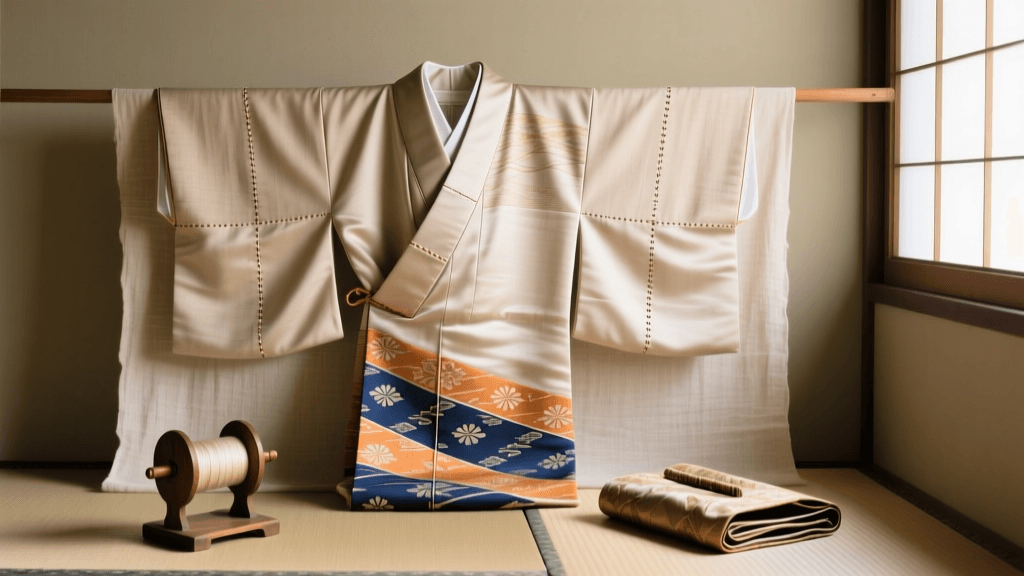
The 2026 Guide to Vintage Kimono Auctions and Value Appraisal
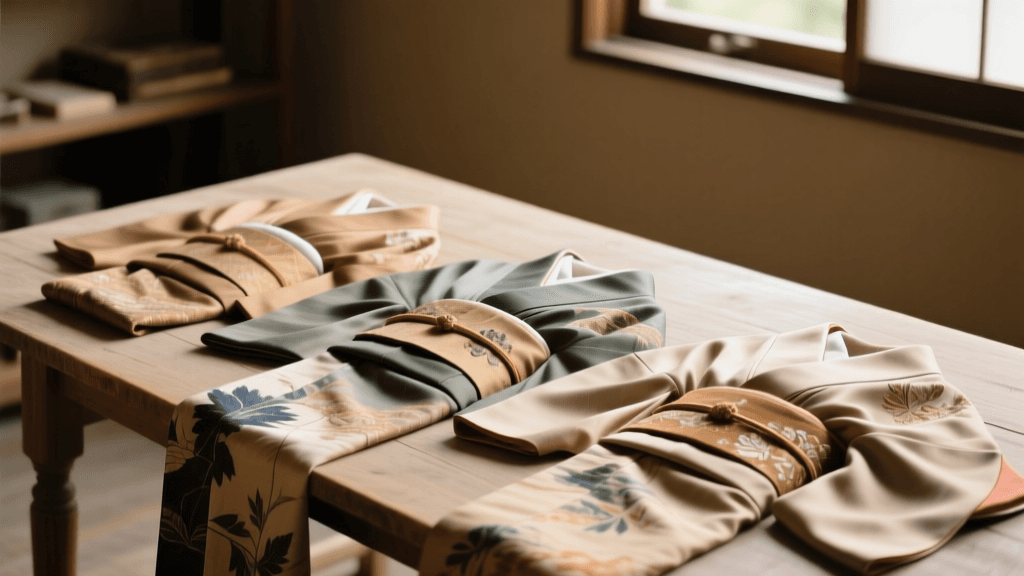
The State of the Secondhand Kimono Market in 2026
The global appetite for sustainable, heritage-rich fashion has propelled the secondhand kimono market into a new golden era in 2026. As collectors, vintage enthusiasts, and sustainable fashion advocates increasingly seek out garments with profound cultural narratives, the auction landscape for traditional Japanese clothing has evolved significantly. No longer confined to domestic Japanese estate sales, vintage kimonos are now highly sought-after commodities on global digital auction platforms and specialized Asian art houses.
According to textile historians and market analysts, the shift toward circular fashion has driven up the auction value of well-preserved, pre-1980s silk garments. The intersection of historical craftsmanship and modern eco-conscious consumerism means that understanding how to accurately appraise a kimono is no longer just a niche skill—it is a vital competency for any serious collector or reseller. As noted by the The Metropolitan Museum of Art, the kimono is a masterclass in structural design and textile artistry, making its preservation and valuation a matter of global cultural importance.
Key Factors in Kimono Value Appraisal
Appraising a vintage kimono requires a discerning eye and a deep understanding of Japanese textile history. Unlike Western vintage garments, where brand labels often dictate the price, a kimono's value is derived from its material composition, dyeing techniques, condition, and structural provenance.
Fabric and Material Composition
The foundation of any kimono's value lies in its fabric. Pure silk remains the undisputed gold standard in the 2026 auction market. However, not all silks are created equal, and identifying the specific weave is the first step in appraisal:
- Chirimen (Crepe): Characterized by a pebbled texture and excellent drape, Chirimen is the most common silk used for high-quality formal and semi-formal kimonos. It holds dye beautifully and is highly resistant to wrinkles.
- Rinzu (Satin Damask): Featuring intricate woven patterns that catch the light, Rinzu is heavily used for formal garments like wedding uchikake and furisode. Its lustrous finish commands a premium at auction.
- Tsumugi (Pongee): Woven from pre-dyed silk threads, often using raw or uneven yarns, Tsumugi has a matte, rustic finish. Despite being historically classified as casual wear, high-end varieties like Oshima Tsumugi (mud-dyed in Amami Oshima) are among the most expensive and highly appraised kimonos in the secondhand market today.
- Ro and Sha (Summer Gauze): Sheer, lightweight silks woven with intentional gaps for breathability. Because they are fragile and easily snagged, pristine vintage Ro and Sha garments from the mid-20th century are rare and highly valued by summer collectors.
Conversely, synthetic blends or pure polyester (often mass-produced in the late 20th century) drastically reduce a garment's auction value, often relegating it to the under $30 tier unless it features extraordinary modernist mid-century design motifs.
Dyeing and Embellishment Techniques
The method used to apply color and pattern drastically alters auction valuations. Hand-painted and resist-dyed garments are the pinnacle of the secondhand market.
Yuzen Dyeing: This paste-resist technique allows for incredibly detailed, painterly designs. Kyo Yuzen (from Kyoto) is known for its elegant, stylized motifs and generous use of gold leaf, while Kaga Yuzen (from Kanazawa) is celebrated for its hyper-realistic botanical motifs and strict five-color palette (kachou-fugetsu). Authentic, signed Kaga Yuzen pieces routinely fetch thousands of dollars at specialized 2026 auctions.
Shibori: This intricate tie-dye method involves binding, stitching, or clamping the fabric before dyeing. The hallmark of high-quality Shibori (such as Kanoko Shibori) is the three-dimensional, textured feel of the tiny, hand-tied dots. A single adult-sized kimono can require hundreds of thousands of individual ties, making authentic vintage Shibori highly prized.
Condition, Flaws, and Structural Integrity
Condition is the most volatile variable in kimono appraisal. Collectors must look for specific flaws that Japanese sellers meticulously document, often using specialized terminology:
- Shimi (Stains): Small, localized spots from water, oil, or cosmetic spills. While minor shimi on the lower half of the garment can be hidden by the obi (sash), stains on the chest or back panels significantly reduce value.
- Yake (Sun Fading): Discoloration caused by prolonged exposure to light. Fading on the shoulders or back is common and often lowers the auction price by 40% to 60%.
- Kabi (Mold): Appears as powdery white or dark speckling. Mold is notoriously difficult to remove from silk without damaging the dye, and garments with severe kabi are generally considered unsalvageable for high-end auctions.
- Seam Integrity: Kimonos are constructed from straight bolts of fabric (tanmono) and sewn together using running stitches. A major advantage is that they can be entirely taken apart for cleaning and resewn. However, if the silk itself has shattered (a common issue with early 20th-century weighted silks), the garment loses its structural and monetary value.
Provenance, Motifs, and Kamon
Family crests, or Kamon, dictate the formality and historical weight of a garment. A kimono featuring five crests (Itsutsumon) is of the highest formality, worn only for weddings or major ceremonies. Three crests (Mitsumon) denote semi-formal wear, and one crest (Hitotsumon) is for standard formal occasions. Garments with no crests are generally informal. Furthermore, the presence of an artisan's signature or seal (rakkan) on the inner lining or hem can exponentially increase the appraisal value, linking the piece to a recognized Living National Treasure or master dyer.
Navigating Online and Physical Auctions in 2026
The digital marketplace has completely transformed how international buyers access Japanese estate sales. In 2026, platforms like Yahoo! Auctions Japan remain the largest repository of secondhand kimonos, offering everything from unsorted estate lots to museum-quality antiques. Because direct bidding from overseas is often restricted, international collectors rely on advanced proxy bidding services such as Buyee, ZenMarket, and Neokyo. These services provide automated sniping tools, consolidated shipping, and crucial condition-report translations.
For investment-grade pieces, physical auction houses like Bonhams and Christie's maintain dedicated Asian Art and Textile departments. These venues provide rigorous provenance checks and professional conservation reports, ensuring that the buyer is acquiring authentic, high-value textiles. As highlighted by the Victoria and Albert Museum, the historical context and preservation of these garments elevate them from mere clothing to vital pieces of wearable art, a sentiment heavily reflected in premium auction house estimates.
2026 Kimono Valuation Comparison Chart
The following table provides a baseline for estimating auction values in the current 2026 market, assuming standard adult sizing and authentic silk composition.
| Kimono Type | Material & Weave | Dye Technique | Condition (2026 Standard) | Estimated Auction Value (USD) |
|---|---|---|---|---|
| Furisode (Long Sleeves) | Silk Rinzu (Satin) | Kaga Yuzen, Gold Leaf | Excellent (No stains, vibrant) | $1,200 - $3,500 |
| Kurotomesode (Black Formal) | Silk Chirimen (Crepe) | Hand-painted Hem, 5 Kamon | Good (Minor lower-hem shimi) | $300 - $750 |
| Oshima Tsumugi | Silk Pongee (Pre-dyed) | Amami Mud-Dye, Kasuri | Excellent (Crisp, no fading) | $1,500 - $5,000+ |
| Meisen (Mid-Century) | Silk Ikat | Kasuri (Geometric/Modern) | Fair (Slight shoulder yake) | $120 - $280 |
| Yukata (Summer Casual) | Cotton / Hemp Blend | Indigo Shibori | Good (Softened, intact) | $60 - $150 |
Expert Tips for Bidding and Selling
Whether you are sourcing for a personal collection or flipping for profit, mastering the mechanics of the 2026 secondhand market is essential.
- Master the Measurements: Kimonos are not sized S, M, or L. You must understand Yuki (the center-back to wrist measurement) and Mitake (the back length). A garment is generally considered a good fit if the Yuki is within 2-3 centimeters of the wearer's arm span, and the Mitake is equal to or slightly longer than the wearer's height.
- Read the Flaw Maps: Japanese sellers are famously meticulous. Always examine the provided flaw maps (often marked with red circles or arrows on photos). A seller noting 'minor shimi' is usually being conservative; however, 'strong odor of camphor/tansu' indicates long-term storage in cedar chests, which requires extensive airing out but does not damage the silk.
- Beware of the 'Recycled' Label: In the Japanese market, 'recycled' (risaikuru) simply means secondhand or vintage. It does not mean the garment was made from recycled plastic bottles. Do not let this terminology deter you from bidding on authentic vintage silk.
- Factor in Tailoring Costs: If you are buying a vintage kimono to wear, remember that resizing requires a skilled kimono tailor (kitsuke-shi or osaiho-shi). Taking in the shoulder seams or adjusting the hem can cost upwards of $150 to $300 in 2026, which must be factored into your maximum auction bid.
Preservation and Archival Storage
Once you have successfully won an auction and received your garment, proper storage is critical to maintaining its appraised value. Never store silk kimonos in plastic bags, as trapped moisture will lead to mold and the silk will suffocate, leading to fiber degradation. Instead, wrap the garment in acid-free, breathable tatoushi paper. Store the wrapped kimono flat in a paulownia wood (kiri) chest, which naturally regulates humidity and repels insects. Include natural desiccants and avoid chemical mothballs, which can react with metallic threads and gold leaf, causing irreversible blackening.
Conclusion
The 2026 vintage kimono market is a thrilling intersection of art history, sustainable fashion, and strategic investment. By understanding the nuances of silk weaves, respecting the mastery of traditional dyeing techniques, and navigating the digital auction landscape with a critical eye, collectors can uncover breathtaking pieces of Japanese heritage. Whether you are bidding on a mud-dyed Oshima Tsumugi or a vibrant Taisho-era Meisen, the thrill of the appraisal and the hunt remains one of the most rewarding aspects of participating in the Asian traditions secondary market.