Mastering Kimono Layering: A Seasonal Kasane Guide
Introduction to Kasane: The Art of Japanese Layering
The concept of kasane (layering) is the beating heart of traditional Japanese dress. Originating in the Heian period (794–1185) with the elaborate twelve-layered junihitoe worn by court ladies, the art of layering has evolved into a sophisticated system of seasonal awareness, textile manipulation, and aesthetic expression. Today, mastering kimono layering is not merely about staying warm; it is about observing kisetsukan (seasonal feeling) and projecting iki (understated elegance).
According to the Victoria and Albert Museum, the kimono serves as a dynamic canvas reflecting the natural world, where the interplay of hidden and visible layers communicates the wearer's refined understanding of the changing seasons. This guide provides actionable techniques, precise measurements, and seasonal matrices to help you master the art of Japanese layering.
Core Components and Precise Measurements
Proper layering requires a specific sequence of garments, each serving a structural or aesthetic purpose. Understanding the exact measurements and tools is critical for a flawless silhouette.
- Hadajuban & Susoyoke: The foundational skin layer. The hadajuban (undergarment) absorbs sweat, protecting the outer silk. Pair it with a susoyoke (half-slip) to prevent friction when walking.
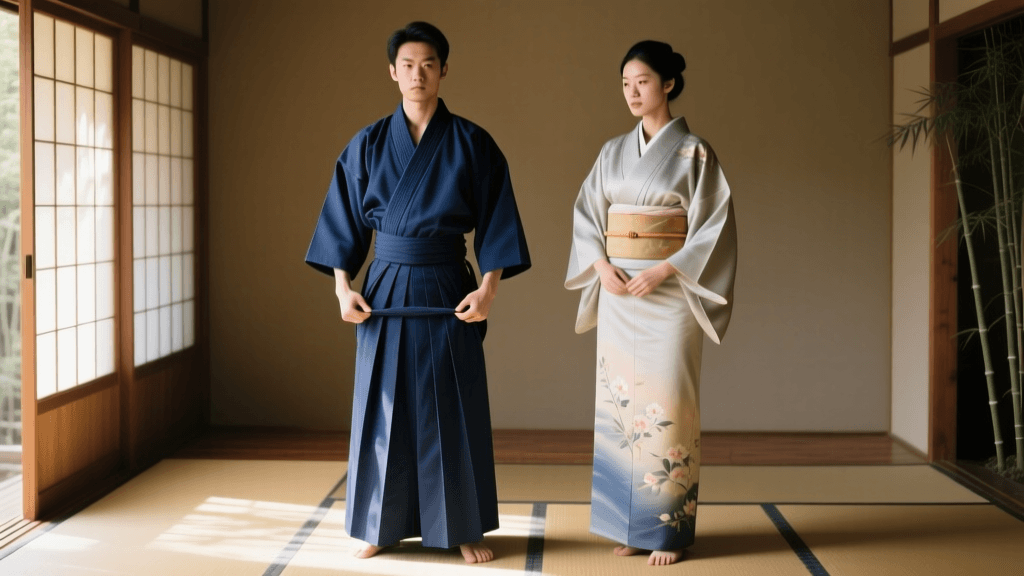
- Nagajuban: The under-kimono. This is the most critical layer for collar alignment. Standard sleeve length (yuki) should match your outer kimono exactly, ending at the wrist bone when the arm is extended at a 45-degree angle.
- Eri-shin (Collar Stay): A rigid plastic or bamboo insert slipped into the nagajuban collar. It measures roughly 90cm in length and 5cm in width, ensuring the collar remains crisp and does not buckle under the weight of the outer kimono.
- Koshi-himo (Tying Sashes): You will need at least three to four koshi-himo for a fully layered look. Standard dimensions are 130cm long and 5cm wide. Silk or mohair blends provide the best grip without cutting into the waist.
- Date-jime: A wide, elasticized belt (approx. 8cm wide) worn over the nagajuban to compress the layers and prevent bunching at the waist before the outer kimono is applied.
The Seasonal Fabric Matrix: Timing Your Wardrobe
Historically, the transition between layered and unlined garments was strictly dictated by the lunar calendar and court regulations. The Metropolitan Museum of Art highlights how these historical shifts in textile weight and opacity were deeply tied to environmental harmony, a practice that still governs formal kimono wear today.
Below is the actionable matrix for selecting your kimono and nagajuban layers based on the traditional Japanese sartorial calendar:
| Season | Fabric Type | Japanese Term | Timing | Layering Characteristics |
|---|---|---|---|---|
| Spring / Autumn | Lined Silk | Awase | October – May | Fully lined kimono with a standard lined nagajuban. Allows for rich, multi-layered color coordination at the cuffs and collar. |
| Early Summer / Early Autumn | Unlined Silk | Hitoe | June & September | Single-layer fabric. The nagajuban is also unlined. The collar reveals the sheer transition of seasons. |
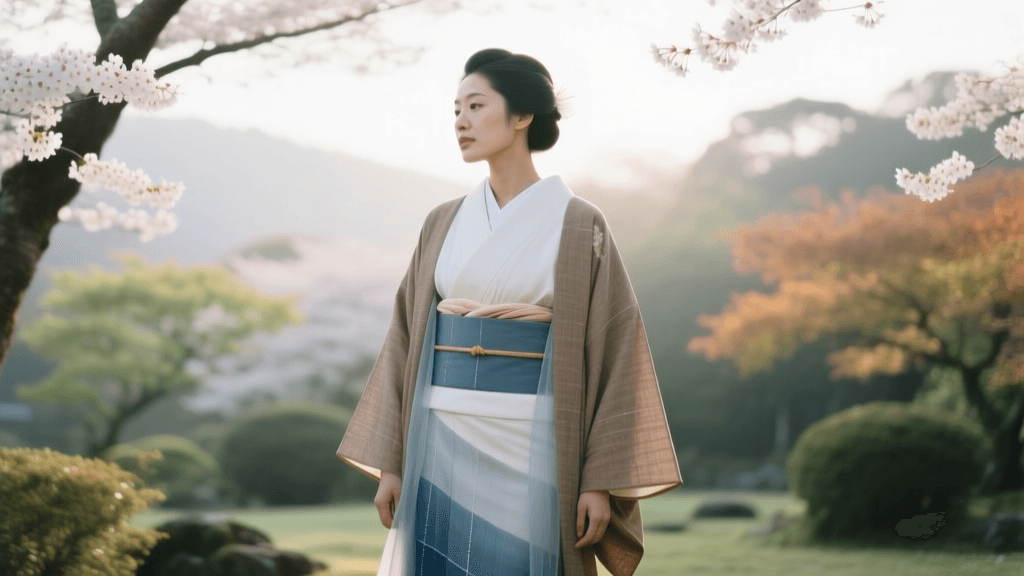
| High Summer | Sheer / Woven Gauze | Usugono / Ro / Shā | July – August | Translucent outerwear. The nagajuban beneath must feature a summer-weight han-eri (half-collar) of linen or ramie to ensure breathability. |
Color Coordination and the Kasane no Irome
When wearing awase (lined) garments, the inner lining and the outer fabric create a secondary layer of meaning known as kasane no irome (layered color combinations). For example, pairing a deep plum outer layer with a vibrant cherry-blossom pink lining evokes early spring. In modern dressing, this is most easily achieved by swapping the han-eri (half-collar) on your nagajuban and coordinating it with your obi-age (obi scarf) to peek out from beneath the main sash.
Step-by-Step Dressing Techniques for Flawless Layering
Executing the perfect layered look requires precision. Follow these actionable steps to ensure your collars align and your silhouette remains structured throughout the day.
- Secure the Base: Don the hadajuban and susoyoke. Tie the nagajuban securely using a koshi-himo just below the bust, then apply the date-jime over the tie to flatten the fabric.
- Align the Collars (Eri-awase): This is the hallmark of expert layering. The collar of the nagajuban and the outer kimono must run perfectly parallel. The golden rule is to expose exactly 2cm of the nagajuban collar at the center back of the neck. Use the eri-shin to maintain this rigid parallel line.
- Create the Nape Gap (Eri-nuki): Pull the back collar down to expose the nape of the neck. The ideal gap is roughly the width of one adult fist (about 8–10cm). This gap is not only aesthetically vital but also prevents the heavy layers from suffocating the wearer.
- Adjust the Hem (Ohashori): For women, the excess length of the kimono is folded at the waist. Ensure the ohashori fold is perfectly horizontal and sits precisely beneath where the obi will be tied. A crooked fold will ruin the visual harmony of the layers.
- Lock the Layers: Use a final koshi-himo to tie the outer kimono at the waist, then tuck the excess fabric into the fold. Secure everything with an obi-ita (obi board) before wrapping the sash to ensure the layered waist remains smooth and uncreased.
Sourcing, Costs, and Modern Practicality
Building a layered kimono wardrobe requires strategic sourcing. The cost varies wildly depending on whether you pursue vintage authenticity, modern convenience, or bespoke tailoring.
- Vintage Markets: Kyoto’s flea markets (like Toji Temple) and online auction sites are treasure troves for vintage silk awase kimono and nagajuban. Expect to pay between ¥3,000 and ¥20,000 per piece. However, vintage garments often require professional cleaning (arai-hari), which can cost an additional ¥8,000 to ¥15,000.
- Modern Washable Synthetics: Brands like Yamato and Otona no Furisode offer machine-washable polyester sets. These are highly practical for beginners and humid climates. A complete layered set (kimono, nagajuban, and obi) typically ranges from ¥15,000 to ¥40,000.
- Custom Tailoring: For a bespoke, hand-painted silk awase kimono tailored to your exact yuki and mitake (back length) measurements, prices start at ¥300,000 and can easily exceed ¥1,000,000 depending on the artisan's dyeing techniques (such as kyo-yuzen).
- Rental Options: For travelers or those attending a single seasonal event, rental shops in Tokyo and Kyoto offer full layered packages—including professional dressing services—for approximately ¥5,000 to ¥12,000 per day.
Mastering the seasonal layering of the kimono is a lifelong pursuit of aesthetic refinement. By understanding the precise measurements, adhering to the seasonal fabric matrix, and practicing meticulous collar alignment, you transform the act of getting dressed into a profound engagement with Japanese cultural heritage. As noted by the Japan Foundation, the continued global fascination with the kimono lies in its unique ability to merge structural discipline with breathtaking artistic expression, a balance perfectly embodied in the art of kasane.