Kimono Extreme Weather Guide 2026: Rain, Snow, Heat
Navigating Japan's Extremes in Traditional Dress
Japan’s climate is notoriously dramatic, shifting from the sweltering, humid heat of the Kyoto summer to the biting, snow-heavy winters of Hokkaido, with a volatile typhoon and rainy season sandwiched in between. For enthusiasts and practitioners of traditional Japanese clothing, these weather extremes present a unique challenge. The kimono, historically designed for a more temperate and predictable climate, requires careful adaptation to survive modern weather anomalies. As we move through 2026, climate shifts have made extreme weather days more frequent, prompting a renaissance in how traditional garments are layered, protected, and maintained. According to the Japan National Tourism Organization, understanding regional microclimates is now essential for anyone planning to wear traditional garments outdoors. This comprehensive guide explores the intersection of heritage and modern innovation, detailing how to wear a kimono comfortably and safely in rain, snow, and extreme heat.
Surviving the Summer Heat and Humidity
Summer in Japan, particularly in urban centers like Tokyo and Kyoto, is characterized by oppressive humidity and temperatures that frequently exceed 35°C (95°F). Wearing multiple layers of silk in these conditions is a recipe for heat exhaustion. However, traditional wisdom combined with 2026’s textile innovations offers effective solutions.
Breathable Fabrics: Ro, Sha, and Modern Blends
During the peak of summer, the wardrobe shifts to natsumono (summer garments). The most prized traditional fabrics are ro (leno weave) and sha (silk gauze). These fabrics feature intentional gaps in the weave, allowing air to circulate directly against the skin. In 2026, we are seeing a surge in hybrid textiles that blend traditional Tsumugi silk with microscopic copper-ion cooling threads. These modern hitoe (unlined kimonos) retain the structural drape and aesthetic of pure silk while actively drawing heat away from the body.
Advanced Cooling Innerwear
The secret to surviving summer in a kimono lies beneath the surface. The hadajuban (undershirt) and susoyoke (underskirt) act as the primary barrier against sweat. While traditional cotton and hemp remain popular, 2026 has introduced advanced contact-cooling innerwear specifically cut for kimono proportions. Brands have integrated Qmax > 0.3 cooling metrics into their kimono-specific undergarments, utilizing sweat-wicking polymers that evaporate moisture instantly. Pairing these with a koshimaki (slip) made from highly absorbent bamboo rayon ensures that the precious outer silk remains entirely untouched by perspiration.
Shade and Airflow Accessories
No summer kimono ensemble is complete without a higasa (parasol). Modern parasols feature advanced UV-blocking and infrared-reflecting coatings that can reduce the ambient temperature beneath the canopy by up to 7°C. Additionally, the sensu (folding fan) is not merely a decorative accessory; it is a vital tool for directing airflow into the open sleeves and collar of the kimono, creating a natural convection current that cools the torso.
Braving Typhoon Season and Heavy Rain
The tsuyu (rainy season) and late-summer typhoons pose the greatest threat to silk garments. Water can cause irreversible spotting, shrinkage, and dye bleeding on traditional kimono. Protecting the garment while maintaining an elegant silhouette requires specialized outerwear and footwear.
The Modern Dochugi and Michiyuki
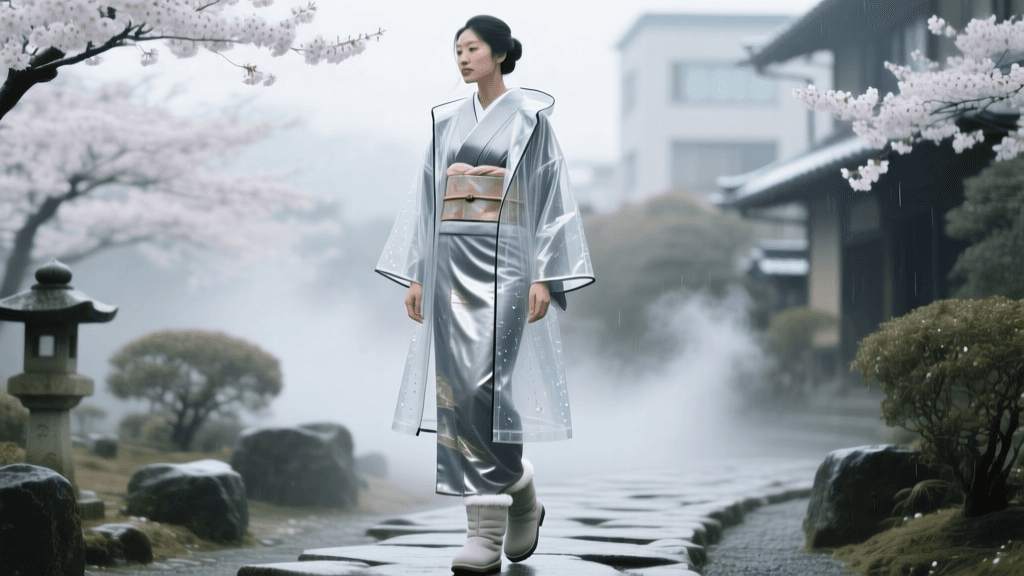
The dochugi (kimono raincoat) is the first line of defense. Historically made from treated paper or heavy oiled silk, the 2026 dochugi utilizes ultra-lightweight, breathable polyurethane membranes that mimic the drape of fabric while offering complete waterproofing. For a more formal appearance, the michiyuki (a square-necked overcoat) is now frequently crafted from nano-treated wool-silk blends. These garments are treated with hydrophobic coatings at the molecular level, causing rain to bead up and roll off the fabric without penetrating the fibers.
Protecting the Hem and Feet
The hem of the kimono is highly vulnerable to mud and puddles. Wearers utilize a o-hashori technique to fold the hem higher, secured by a specialized rain belt. For the feet, traditional shigure (clip-on rain covers for zori sandals) have largely been replaced in 2026 by sleek, reusable silicone zori-covers that stretch seamlessly over the sandal, providing superior grip on wet asphalt. Furthermore, waterproof tabi socks made from treated synthetic leathers ensure that the feet remain dry even when navigating flooded streets.
Navigating Winter Snow and Freezing Temperatures
In northern regions like Tohoku and Hokkaido, winter brings deep snow and sub-zero temperatures. The kimono’s open sleeves and overlapping collar can let in drafts, making thermal retention a critical priority. As noted by the Metropolitan Museum of Art, the structural versatility of the kimono has always allowed for extensive layering, a trait that is maximized during the winter months.
Insulating Layers and Kaiko Padding
Winter layering begins with the nagajuban (under-kimono). In 2026, fleece-lined and thermal-weave nagajuban are standard for outdoor winter events. For extreme cold, practitioners utilize kaiko (silk floss) padding. Thin, quilted vests made of raw silk floss are worn between the nagajuban and the outer kimono. Silk floss is an extraordinary natural insulator, trapping body heat while remaining incredibly lightweight, thus preserving the elegant, unbulky silhouette of the kimono. Over the kimono, a heavy wool or velvet haori (jacket) lined with down or thermal foil provides a windproof barrier.
Winter Footwear: Yukitabi and Setta
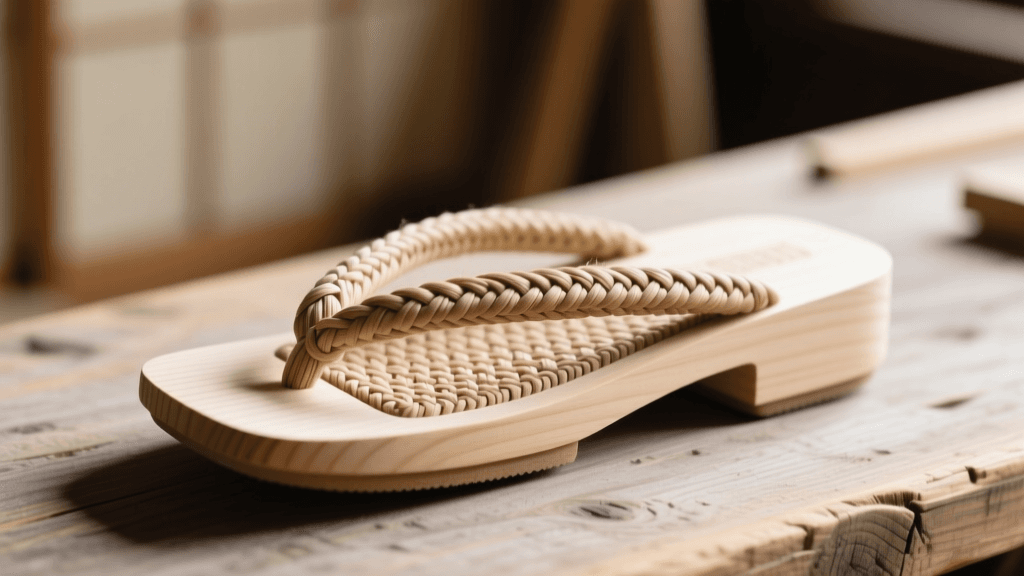
Standard cotton tabi offer zero protection against snow and ice. The yukitabi is a specialized, waterproof split-toe boot, typically crafted from treated leather or heavy-duty synthetic rubber, featuring a thick, insulated sole. When wearing yukitabi, the traditional zori sandal is swapped for setta—flat, leather-soled sandals that provide a wider base for balance on icy surfaces. In 2026, micro-spikes that attach to the bottom of setta have become a popular accessory for navigating snowy temple paths safely.
2026 Kimono Weather Gear Comparison
To help you prepare your wardrobe, here is a structured comparison of essential weather-adaptation gear available in 2026.
| Garment / Accessory | Target Weather | 2026 Material Innovation | Average Cost (USD) |
|---|---|---|---|
| Cooling Hadajuban | Extreme Heat | Qmax > 0.3 Bamboo-Polymer Blend | $45 - $70 |
| Nano-Treated Michiyuki | Heavy Rain | Hydrophobic Wool-Silk Membrane | $280 - $450 |
| Silicone Zori Covers | Rain / Puddles | High-Friction Stretch Silicone | $15 - $25 |
| Quilted Kaiko Vest | Freezing Cold | 100% Natural Mulberry Silk Floss | $120 - $180 |
| Insulated Yukitabi | Snow / Ice | Thermal-Lined Waterproof Leather | $150 - $220 |
Post-Weather Maintenance and Care
Exposing a kimono to extreme weather necessitates immediate and careful aftercare. If a garment is exposed to high humidity or light rain, it must undergo mushiboshi (airing out). The kimono is carefully unlined and draped over a specialized bamboo rack in a climate-controlled room with dehumidifiers running to prevent mold spores from taking root in the silk fibers.
If a kimono suffers from mud splatters or heavy rain exposure, spot cleaning with a damp cloth is rarely sufficient and can cause water rings. In 2026, the gold standard for cleaning is maruarai, a professional service where the entire kimono is disassembled, washed in specialized gentle solvents, and re-tailored. Modern maruarai facilities now use eco-friendly, biodegradable solvents that are tough on mineral deposits from hard rain but entirely safe for delicate natural dyes. Proper storage after extreme weather exposure involves wrapping the garment in tatoushi (acid-free paper) and storing it in a cedar chest with natural camphor to deter pests that are attracted to residual moisture and organic fibers.
Conclusion
Wearing a kimono in 2026 is a beautiful dialogue between respecting ancient traditions and embracing necessary modern adaptations. By utilizing advanced cooling innerwear for the summer, hydrophobic outer layers for the rainy season, and insulated silk floss for the winter, wearers can comfortably experience Japan’s dramatic seasons without compromising the integrity of their garments. Understanding these adaptations ensures that the kimono remains a living, functional garment, capable of weathering any storm the climate brings.