Traveling With Kimono In 2026: Packing & Transport
The Resurgence of Personal Kimono Travel in 2026
The year 2026 has ushered in a remarkable shift in cultural tourism across Japan and international Asian heritage festivals. Travelers and cultural enthusiasts are increasingly moving away from mass-market, fast-fashion rental shops, opting instead to bring their own carefully curated vintage or modern kimono pieces. This sustainable travel trend not only reduces textile waste but also ensures a personalized, authentic fit that rental garments simply cannot provide. However, traveling with traditional Japanese garments requires meticulous planning, specialized packing techniques, and an understanding of on-the-go maintenance. Whether you are navigating the bustling transit hubs of Tokyo, taking the Shinkansen to Kyoto, or attending an international cultural exposition, mastering the logistics of kimono transport is essential for a seamless journey.
Mastering the Tatami-Fold (Hon-Datami) for Transit
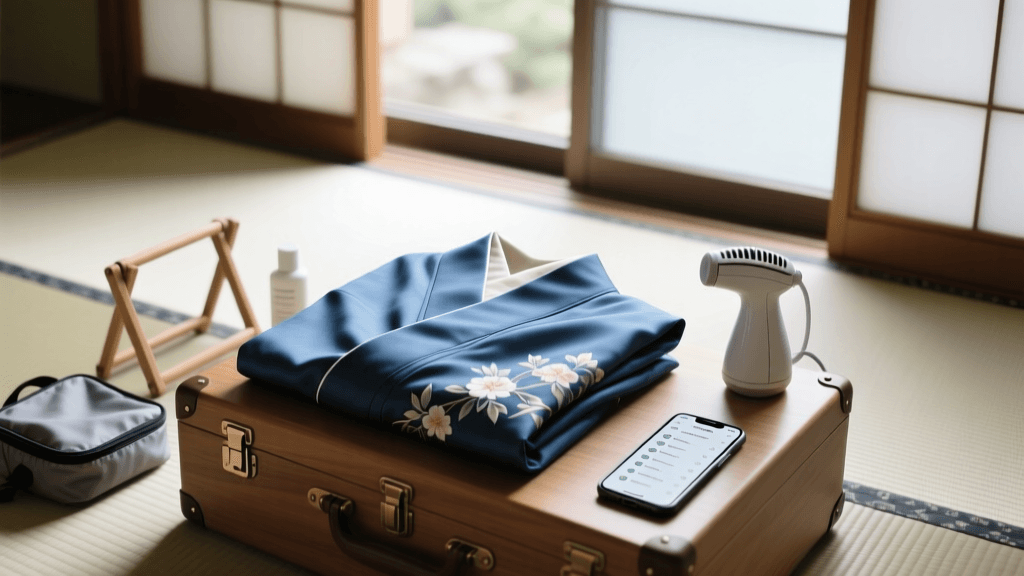
The foundation of safe kimono transport lies in the folding technique. Unlike Western garments that are often rolled or haphazardly stuffed into suitcases, a kimono must be folded using the traditional hon-datami (tatami-fold) method. This specific folding pattern is designed to align the garment's seams, preventing permanent creases from forming in the delicate silk or linen fibers during transit.
Step-by-Step Folding and Wrapping
- Surface Preparation: Lay out a clean, dry, and completely flat surface. In 2026, many travelers use portable, foldable nylon mats specifically designed for garment handling to avoid contact with hotel carpets or beds.
- The Fold: Fold the kimono along its natural seam lines. The sleeves are folded inward, followed by the body panels, creating a long, uniform rectangle. Never fold the garment against the grain of the weave.
- Tatou-Shi (Wrapping Paper): Once folded, the kimono must be wrapped in tatou-shi, a specialized acid-free, breathable paper that protects the silk from moisture, dust, and friction. Avoid using plastic bags, as they trap humidity and can lead to mold growth, a critical concern when traveling between varying climate zones.
- The Obi: The obi (sash) should be folded separately and wrapped in its own piece of acid-free paper to prevent the stiff brocade or metallic threads from snagging the softer kimono fabric.
2026 Kimono Transport Gear Comparison
Selecting the right luggage is just as critical as the folding technique. The market in 2026 offers several specialized solutions for traditional garment transport. Below is a comprehensive comparison of the most effective transport methods for kimono travelers.
| Transport Method | Best For | Pros | Cons | 2026 Estimated Cost |
|---|---|---|---|---|
| Traditional Paulownia Box (Tansu) | Long-term storage, luxury transit, road trips | Superior moisture regulation, crush-proof, culturally authentic | Extremely bulky, heavy, not permitted as carry-on | $250 - $600 |
| Breathable Garment Duffel | Flights, train travel, hotel-hopping | Lightweight, fits in overhead bins, water-resistant exterior | Requires careful folding to avoid bending, lacks rigid structure | $80 - $150 |
| Hard-Shell Suitcase with Folding Boards | Checked luggage, extended international trips | Crush-proof, integrates with standard luggage sets, secure | Heavy, risk of extreme temperature fluctuations in cargo holds | $120 - $300 |
| Vacuum Compression Cubes | Cotton Yukata, synthetic blends | Saves massive amounts of space, waterproof | Destroys silk fibers, causes severe creasing (Never use for silk) | $25 - $50 |
Navigating Airports and the Shinkansen
Carrying a full kimono set—which includes the kimono, obi, obijime (cords), obiage (scarf), undergarments (juban), and footwear—can easily exceed standard carry-on weight limits and become physically exhausting. In 2026, the most highly recommended strategy for domestic Japanese travel is utilizing Takuhaibin (luggage forwarding services). According to the Japan National Tourism Organization (JNTO), these reliable courier services allow you to send heavy, specialized garment boxes directly from your arrival airport or hotel to your next destination, often arriving within 24 hours. This frees you to explore transit hubs unencumbered while ensuring your delicate silks are handled by professionals trained in fragile goods transport.
When carrying your kimono onto a Shinkansen or airplane, always store the garment bag in the overhead bin rather than the seat in front of you. The footwell area is prone to accidental kicks and spills from beverages. If traveling by air, pack a small silica gel desiccant packet inside the wrapped bundle to combat the extremely dry cabin air, which can make vintage silk brittle.
The On-the-Go Kimono Emergency Kit
Even with meticulous planning, traveling in traditional garments exposes you to unpredictable environments, sudden weather changes, and crowded streets. Every kimono traveler in 2026 should assemble a compact, TSA-compliant emergency maintenance kit. This kit should be kept in your personal day bag, not in your forwarded luggage.
- Stain Removal Wipes: Specifically formulated for delicate proteins like silk. Water-based stains can be blotted, but oil requires specialized dry-cleaning solvents.
- Extra Koshihimo (Ties): Cotton or silk ties used to secure the garment while dressing. These are easily lost or stretched out, so packing three extras is a lifesaver.
- Lint Roller and Soft Brush: Essential for removing dust, pollen, or pet hair from the hemline after walking through parks or temples.
- Safety Pins and Binder Clips: Crucial for temporary adjustments to the ohashori (the fold at the waist) if the garment shifts during a long day of walking.
- Portable Rain Poncho: A lightweight, translucent rain cover designed specifically to drape over the shoulders and protect the sleeves from sudden downpours without crushing the silhouette.
Hotel Room Kitsuke (Dressing) Strategies
Dressing in a kimono, known as kitsuke, requires significant space and specific environmental conditions. Modern hotel rooms are often cramped, with wall-to-wall carpeting that is unsuitable for laying out garments. When booking accommodations, request a room with hard flooring or a designated tatami area if available. The Victoria and Albert Museum's textile conservation guidelines emphasize that antique and vintage textiles should be handled in clean, climate-controlled environments, free from direct sunlight and high humidity, both of which can accelerate fabric degradation.
Utilize the hotel's luggage rack as a temporary staging area for your accessories. If the room lacks a full-length mirror, bring a lightweight, foldable acrylic mirror. When hanging the kimono to air it out before dressing, use a wide, padded hanger to distribute the weight evenly across the shoulders, preventing the delicate seam at the nape of the neck from tearing under the garment's own weight.
Footwear and Zori Transport
Traditional footwear, including zori (sandals) and geta (wooden clogs), presents its own packing challenges. The hanao (thongs) can easily snap if crushed under heavy items. Always pack footwear in rigid, ventilated boxes or specialized shoe bags that maintain their shape. Furthermore, bring at least two pairs of tabi (split-toe socks). Tabi are prone to absorbing sweat and street dirt, and having a fresh, crisp pair for the second day of your trip is essential for both comfort and hygiene.
Conclusion
Traveling with a kimono in 2026 is a deeply rewarding endeavor that bridges the gap between historical preservation and modern exploration. By mastering the hon-datami fold, investing in breathable transport gear, leveraging luggage forwarding services, and preparing a comprehensive emergency kit, you ensure that your garments remain pristine throughout your journey. Whether you are strolling through the bamboo groves of Arashiyama or attending a formal tea ceremony, the confidence that comes from knowing your silk is safe allows you to fully immerse yourself in the timeless beauty of Asian sartorial traditions.