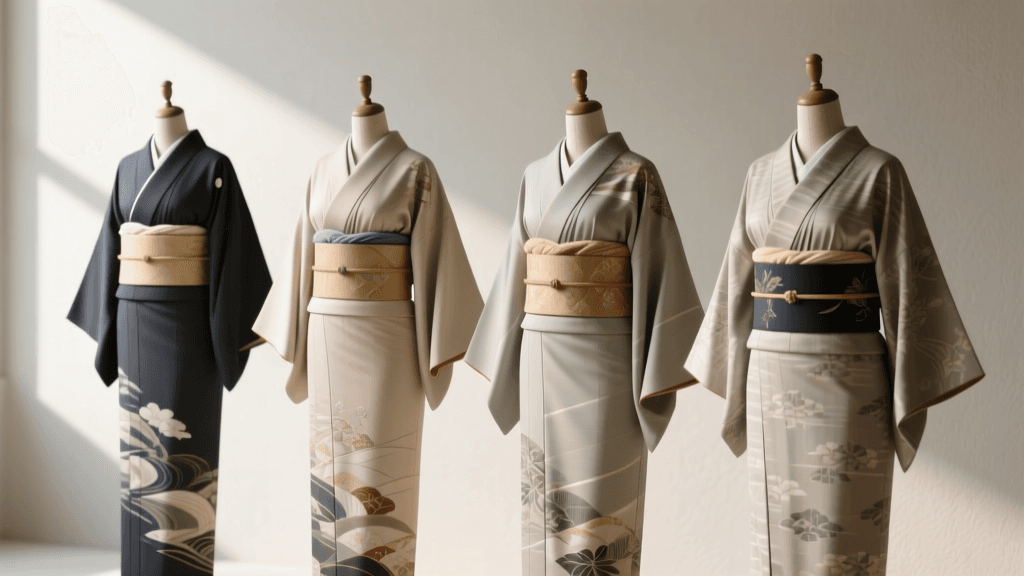
Traveling With Kimono in 2026: Packing & Transport Guide
The Renaissance of Kimono Travel in 2026
As cultural immersion tourism reaches unprecedented heights in 2026, the practice of traveling with personal traditional garments has evolved from a niche hobby into a mainstream pursuit. Travelers are no longer satisfied with simply renting generic outfits at tourist hubs; instead, they are bringing their own bespoke, vintage, and heirloom silk kimonos to destinations ranging from the historic streets of Kyoto and Kanazawa to international Japanese gardens and cultural festivals worldwide. However, transporting these delicate, multi-layered garments requires meticulous planning, specialized gear, and a deep understanding of textile care.
According to cultural tourism insights from the Japan National Tourism Organization (JNTO), there has been a significant surge in travelers seeking authentic, self-curated cultural experiences in 2026. This shift means that mastering the logistics of kimono transport is now an essential skill for the modern cultural traveler. Whether you are navigating the Shinkansen with a hard-shell suitcase or flying internationally with a fragile vintage silk komon, this comprehensive guide will ensure your garments arrive in pristine, wrinkle-free condition.
Essential Gear for Kimono Transport
The foundation of safe kimono travel lies in the materials used to wrap and protect the fabric. Historically, kimonos are stored in tatou-shi (traditional wrapping paper) or tatoshi (cloth or paper envelopes). While traditional washi paper is excellent for long-term closet storage, it is highly susceptible to humidity fluctuations, making it less ideal for the varying cabin pressures and moisture levels of modern air travel.
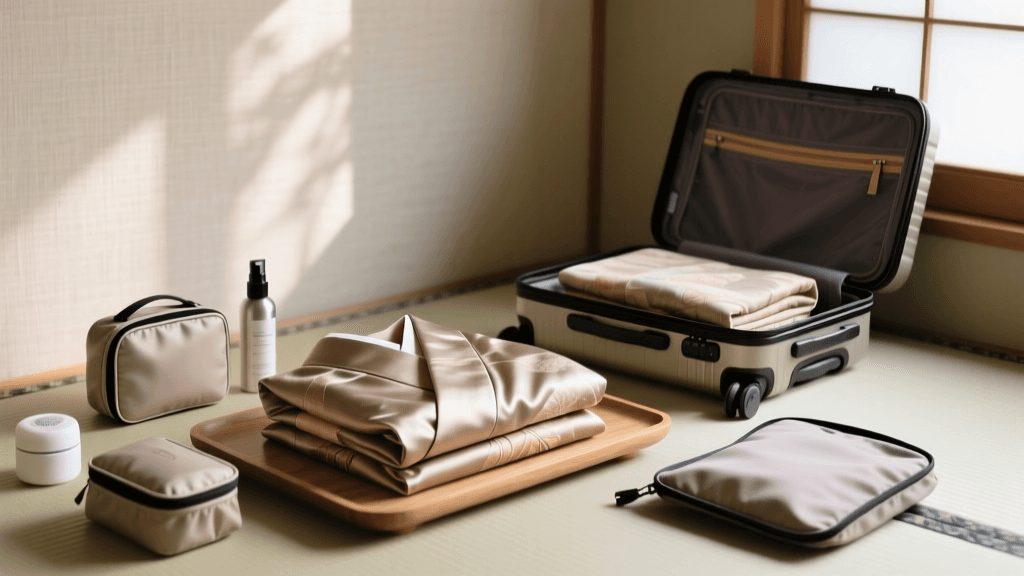
In 2026, the gold standard for travel is the breathable, non-woven synthetic tatoshi. These modern envelopes mimic the breathability of cotton while offering superior moisture resistance. They prevent the silk from 'sweating' inside the luggage, which can lead to water spots or mildew. Additionally, investing in a high-quality, hard-shell polycarbonate suitcase with dedicated internal garment compression straps is highly recommended. Soft-shell luggage, while flexible, offers inadequate protection against the crushing weight of other passengers' bags in airplane cargo holds or overhead bins.
The Art of Hon-Datami: Standard Folding for Transit
The Hon-datami is the traditional, standardized method of folding a kimono. Unlike Western clothing, which is often folded haphazardly to save space, the Hon-datami is specifically engineered to align the garment's seams, distribute the fabric's weight evenly, and prevent sharp creases from forming on the delicate silk. When executed correctly, a Hon-datami folded kimono will naturally resist deep wrinkling, even after a long-haul flight.
Step-by-Step Hon-Datami for Travel
- Preparation: Lay the kimono face down on a clean, flat surface. Ensure your hands are clean and free of lotions or oils that could stain the silk.
- The Left Panel: Fold the left front panel back along its natural seam line, creating a long, straight edge down the center of the back.
- The Right Panel: Bring the right front panel over to meet the left, aligning the seams perfectly. The kimono should now form a long, narrow rectangle.
- The Sleeves: Fold the left sleeve back over the body of the kimono. Then, fold the right sleeve over the left. The sleeves should not overlap the outer edges of the main body.
- The Bottom Fold: Fold the bottom hem up to meet the collar. For travel, some practitioners prefer a tri-fold (folding the bottom third up, then the top third down) to create a more compact square that fits easily into modern carry-on luggage.
Obi and Accessories: Rolling vs. Folding
While the kimono itself is folded, the obi (the wide sash) requires an entirely different approach. Obi, particularly those made of stiff brocade or woven with metallic threads, should never be folded sharply. A sharp crease can permanently break the metallic threads or warp the stiff inner core of a maru or fukuro obi.
The best practice for 2026 travel is to roll the obi. Use an acid-free cardboard tube or a specialized inflatable obi roll. Wrap the obi around the core with the decorative side facing outward, and secure it loosely with a soft cotton ribbon or a dedicated silk obi wrap. For smaller accessories like obi-jime (cords) and obi-age (silk scarves), store them in a separate zippered mesh pouch to prevent them from snagging on the main garment or getting lost in your luggage.
Comparison Chart: Packing Strategies by Fabric Type
| Fabric Type | Folding Method | Wrapping Material | Luggage Type | Wrinkle Risk |
|---|---|---|---|---|
| Silk (Habutae/Chirimen) | Hon-Datami (Standard) | Non-woven Tatoshi + Acid-free tissue | Hard-shell with straps | High (Requires steaming) |
| Wool/Cashmere | Hon-Datami (Standard) | Cotton cloth wrap | Hard-shell or Garment bag | Medium |
| Polyester/Synthetic | Rolling or Loose Fold | Standard packing cube | Any (Soft or Hard) | Low |
| Obi (Brocade/Silk) | Rolling (Never fold) | Acid-free cardboard core | Top layer of hard-shell | Severe (Thread breakage) |
On-the-Go Maintenance: Wrinkle Removal Without a Steamer
Even with perfect packing, some minor creasing is inevitable upon arrival. The most common mistake travelers make is attempting to iron a kimono with a standard hotel iron. Direct heat and pressure will instantly scorch silk and leave a permanent, shiny burn mark. Furthermore, the Metropolitan Museum of Art's Textile Conservation Department emphasizes that high heat and direct contact are highly detrimental to vintage and delicate protein-based fibers like silk.
If your hotel room is equipped with a handheld garment steamer, use it cautiously. Keep the steamer head at least two inches away from the fabric, and never let the metal plate touch the silk. Always steam from the inside (the lining) of the kimono rather than the outer decorative surface. If a steamer is unavailable, the classic 'shower steam' method remains highly effective. Hang the kimono on a specialized wide-shoulder kimono hanger (never a wire hanger, which will distort the shoulder seams) in the bathroom. Run a hot shower for 15 minutes to fill the room with steam, then allow the garment to air dry in a well-ventilated, shaded area. The ambient moisture will naturally relax the silk fibers and release minor creases.
Navigating Transit: Shinkansen and Airline Rules
Transporting a kimono suitcase on Japan's bullet trains requires awareness of the updated luggage regulations. As outlined in the JR Central Oversized Baggage Guidelines, any suitcase with a total dimension (height + width + depth) exceeding 160cm must be placed in the designated 'Oversized Baggage Area' at the rear of the carriage. This requires a special seat reservation. If you are traveling with a large, hard-shell suitcase to protect your kimonos, failing to reserve this specific seat can result in being denied boarding or forced to repack your bags at the station.
For air travel, the best strategy is to carry your most valuable or fragile vintage kimonos in the cabin. If you are flying business or first class on carriers like ANA or JAL in 2026, you can request the flight attendants to hang your garment bag in the dedicated first-class closet. For economy travelers, placing the non-woven tatoshi envelope at the very top of your carry-on bag, ensuring nothing is stacked on top of it, is the safest approach.
Climate Control and Pest Prevention on the Road
Asian summers are notoriously hot and humid, while winters can be dry and static-prone. When traveling during the rainy season (Tsuyu) in June and July, moisture control is paramount. Pack several silica gel desiccant packets and place them inside the tatoshi envelope alongside the kimono. This will absorb any ambient moisture trapped inside the luggage.
Additionally, pest prevention is a critical consideration, especially if you are traveling with wool or vintage silk garments that may attract moths. Instead of traditional mothballs, which leave a pungent, lingering odor that is nearly impossible to remove from silk, use natural Hinoki (Japanese cypress) wood blocks or dried lavender sachets. These provide a mild, culturally appropriate fragrance while naturally deterring insects without risking chemical stains on your textiles.
Conclusion
Traveling with a kimono in 2026 is a deeply rewarding endeavor that allows you to fully immerse yourself in the elegance of Asian traditions, no matter where your journey takes you. By respecting the architecture of the garment through the Hon-datami fold, investing in modern moisture-resistant wrapping, and adhering to strict transit guidelines, you can ensure your silk and synthetic garments remain as vibrant and flawless as the day they were woven. Safe travels, and may your kimono journeys be entirely wrinkle-free.