Navigating Online Kimono Communities And Influencers
The Digital Revival of Traditional Japanese Garments
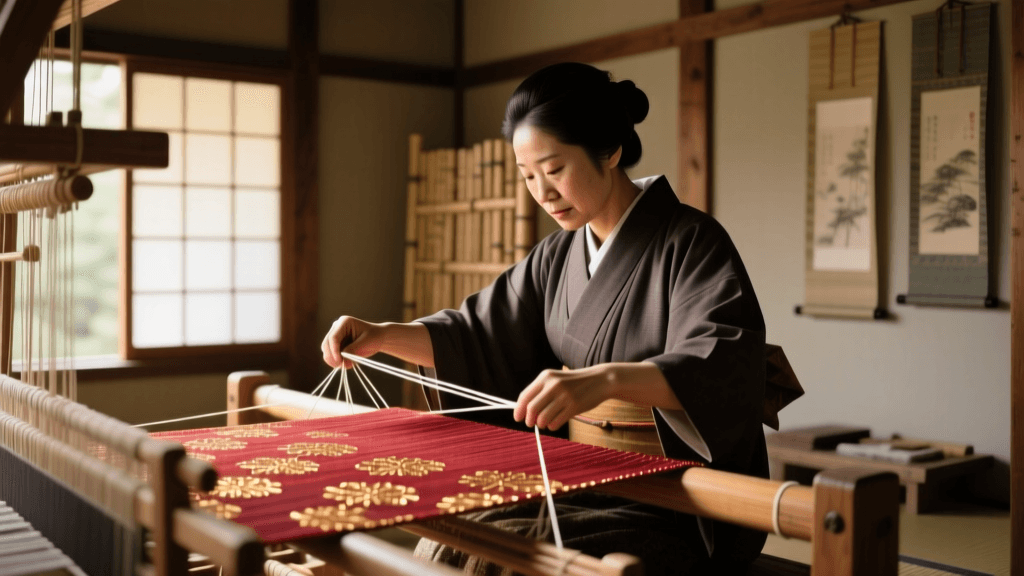
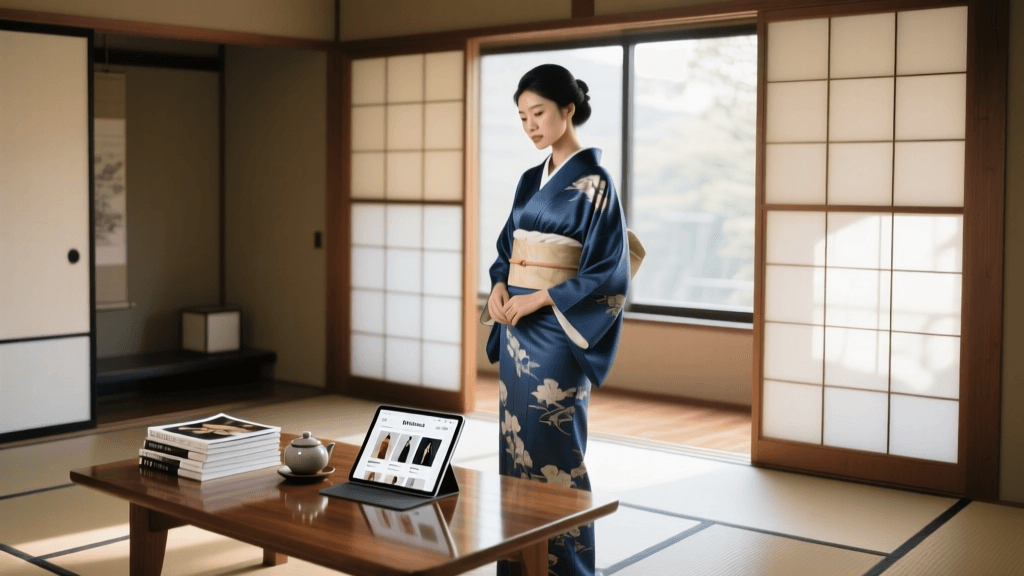
The internet has fundamentally transformed how global enthusiasts learn about, acquire, and wear traditional Japanese garments. Once confined to strict, in-person apprenticeships and localized family traditions in Japan, the art of kitsuke (kimono dressing) and textile appreciation now thrives in vibrant online communities. From Reddit forums dedicated to vintage silk sourcing to Instagram influencers showcasing seasonal obi knots, the digital landscape offers unprecedented access to niche knowledge. However, navigating this space requires a critical eye. Misinformation, cultural appropriation, and the blending of historical accuracy with modern 'costume' fashion can easily mislead beginners. This guide explores how to effectively engage with kimono vloggers, leverage online communities, and build an authentic, respectful wardrobe using digital resources.
For foundational knowledge on the historical and cultural significance of these garments, institutions like the Victoria and Albert Museum's Asian Collections provide invaluable digital archives that help enthusiasts understand the difference between historical artifacts and modern wearable traditions.
Where to Find Authentic Kimono Communities
Different platforms serve different purposes within the global kimono community. Understanding where to look for specific types of advice is crucial for your journey.
| Platform | Primary Focus | Best For | Reliability Score |
|---|---|---|---|
| Reddit (r/kimono) | Q&A, Identification, Sourcing | Verifying vintage pieces, troubleshooting kitsuke issues, finding reputable sellers. | High (Community moderated) |
| Facebook Groups | Buy/Sell, Local Meetups | Acquiring second-hand accessories, finding local dressing groups, bulk lot sales. | Medium to High |
| Instagram / TikTok | Visual Inspiration, Trends | Seasonal coordination ideas, modern styling, quick visual tutorials. | Variable (Requires vetting) |
| YouTube | In-depth Tutorials, Vlogs | Step-by-step kitsuke guides, thrift hauls in Japan, fabric upcycling DIYs. | High (Long-form content) |
Evaluating Influencer Credibility: Green and Red Flags
Not all content creators who wear kimono are trained in traditional kitsuke. Many fashion influencers incorporate kimono jackets or obi belts into Western streetwear, which is a valid form of modern fashion but should not be confused with traditional dressing. When seeking advice on authentic kitsuke, look for these indicators of credibility.
Green Flags: Signs of an Authentic Kitsuke Influencer
- Correct Collar Alignment: The left side of the collar must always overlap the right side. The reverse is strictly reserved for dressing the deceased.
- Seasonal Awareness: Authentic influencers discuss koromogae (the seasonal changing of clothes). They will wear lined kimono (awase) in winter, unlined (hitoe) in June/September, and sheer (ro or sha) in peak summer.
- Proper Footwear: They always wear split-toe tabi socks with formal zori sandals, and reserve bare feet or modern socks for casual summer yukata with geta (wooden clogs).
- Transparency about Rank: Credible vloggers often state their certification level from recognized kitsuke schools (e.g., Sodo Kimono Academy) or clearly identify as self-taught hobbyists sharing their personal journey.
Red Flags: Misinformation to Avoid
- Ignoring the Obi-Ita: Failing to use an obi-ita (obi board) which is essential for keeping the sash smooth and preventing wrinkling.
- Mixing Formalities Incorrectly: Pairing a highly formal kurotomesode (black kimono with crests) with a casual, brightly patterned Nagoya obi.
- Selling 'Costume' Sets: Influencers promoting cheap, polyester, pre-tied obi sets from fast-fashion retailers as 'authentic traditional wear'.
Sizing and Sourcing: Actionable Advice from the Community
One of the most valuable aspects of online communities is the collective knowledge on sizing. Unlike Western clothing, kimono are measured by specific vertical and horizontal metrics. When vloggers do 'thrift hauls' from Japanese recycle shops, they always check these three measurements:
- Mihaba (Back Center Seam to Hem): This is the most critical measurement. For a proper fit, the mihaba should be roughly equal to your height, or within 5 to 10 centimeters shorter. If you are 165 cm tall, look for a kimono with a mihaba between 155 cm and 165 cm.
- Yuki (Shoulder to Sleeve End): Measured from the center back seam, over the shoulder, to the wrist. A standard modern yuki is around 64-68 cm. Vintage kimono often have shorter yuki (around 60 cm), which is a common complaint in Reddit threads.
- Sode-Take (Sleeve Depth): Determines the formality and age-appropriateness. Long, swinging sleeves (furisode) are for unmarried women, while shorter sleeves (tomesode or houmongi) are for married women or formal events.
Community members highly recommend sourcing vintage kimono from established Japanese exporters like Yamatoku or specialized Etsy sellers vetted by forum users, rather than random eBay listings which often mislabel garments.
Budgeting for Your First Authentic Kitsuke Kit
YouTube vloggers frequently break down the hidden costs of kimono dressing. It is not just about the garment itself; the undergarments and accessories are mandatory. Here is a community-approved budget breakdown for a beginner's starter kit, focusing on vintage and second-hand markets:
- Komon Kimono (Casual, patterned silk): $40 - $80 USD
- Nagoya Obi (Casual/Semi-formal sash): $30 - $60 USD
- Juban (Under-kimono) & Haneri (Collar): $25 - $50 USD
- Koshihimo (Tying sashes - need 3 to 4): $15 USD
- Datejime (Wide under-sashes - need 2): $10 USD
- Obi-ita (Front and back obi boards): $15 USD
- Obimakura (Obi pillow) & Karihimo: $10 USD
- Obijime (Decorative cord) & Obiage (Silk scarf): $20 USD
- Tabi (Split-toe socks) & Zori (Sandals): $35 USD
Total Estimated Beginner Budget: $200 - $300 USD. Online communities frequently host 'de-stash' sales where advanced collectors sell their excess accessories at a fraction of the retail cost.
Upcycling and DIY: The Creative Side of Vlogs
A massive sub-niche within the online kimono community focuses on sustainability and upcycling. Because vintage silk kimono are often stained or damaged beyond repair for traditional wear, influencers have popularized DIY upcycling projects. Popular vlog tutorials include:
- Kanzashi Making: Cutting small squares of damaged silk and folding them into traditional hair ornaments.
- Haori Transformation: Taking a standard kimono and professionally tailoring it into a shorter haori jacket, which can be worn open over modern dresses or jeans.
- Obi Clutches and Tote Bags: Repurposing heavily embroidered, damaged obi into high-fashion accessories.
These DIY communities emphasize respect for the textile. Even if the garment can no longer be worn, the artistry of the yuzen dyeing or shibori tie-dye is preserved and honored through upcycling.
Cultural Etiquette and Avoiding Appropriation
Online communities are generally very welcoming to non-Japanese enthusiasts, provided there is a foundation of respect and a willingness to learn. The Kyoto City Official Travel Guide on Traditional Crafts emphasizes the deep cultural roots of these textiles, reminding global audiences that kimono are living cultural assets, not mere costumes. Engaging respectfully means asking questions rather than making assumptions, crediting Japanese artisans and historical techniques, and adhering to the rules of formality. Furthermore, studying resources from institutions like the Metropolitan Museum of Art's Asian Art Department can help collectors understand the regional variations and historical contexts of the textiles they are purchasing.
Conclusion
The digital age has democratized access to traditional Japanese garments, allowing a global community to keep the art of kitsuke alive. By carefully selecting which influencers to follow, utilizing community-vetted sourcing methods, and respecting the deep cultural etiquette embedded in every fold and knot, you can build a beautiful, authentic kimono wardrobe. Whether you are watching a YouTube tutorial on tying a taiko musubi knot or browsing Reddit for the perfect vintage houmongi, the online kimono community is an invaluable resource for your traditional fashion journey.