Decoding Kimono Patterns and Social Status in Ukiyo-e Art
The Canvas of the Floating World
During the Edo period (1603–1867), Japan experienced an unprecedented cultural and economic boom under the Tokugawa shogunate. At the heart of this vibrant era was the 'floating world' or ukiyo, a realm of entertainment, theater, and fashion centered in urban districts like Edo (modern-day Tokyo) and Kyoto. Ukiyo-e woodblock prints served as the fashion magazines, celebrity tabloids, and travel guides of their day. For historians and textile enthusiasts today, these prints are invaluable visual archives. They meticulously document the evolution of the kosode (the precursor to the modern kimono), revealing not just aesthetic trends but complex social hierarchies, sumptuary laws, and seasonal customs. The Metropolitan Museum of Art's Heilbrunn Timeline of Art History provides an excellent overview of how ukiyo-e woodblock prints captured the vibrant culture and fashion of the Edo period, acting as a mirror to a rapidly changing society.
Decoding Social Status Through Kimono Layers
In Edo-period Japan, clothing was strictly regulated by sumptuary laws designed to maintain the social hierarchy. The ruling samurai class were permitted to wear luxurious silks and bold crests, while the merchant class (chonin), despite holding immense wealth, were legally restricted to drab colors and humble fabrics like cotton or hemp. However, the merchant class cleverly circumvented these restrictions through the aesthetic concept of iki (subtle, understated elegance) and hidden luxury.
Ukiyo-e artists like Kitagawa Utamaro and Toshusai Sharaku were masters at depicting these subtle rebellions. A common motif in prints featuring wealthy merchants or high-ranking courtesans (oiran) is the glimpse of an opulent, heavily embroidered silk lining peeking out from beneath a modest, dark-colored outer robe. This layering technique allowed the wearer to display their wealth without openly defying the shogunate's censors. Furthermore, artists used intricate carving techniques to depict shibori (tie-dye) and yuzen (resist-dyeing) patterns that were technically illegal for commoners, immortalizing the underground fashion rebellions of the floating world.
Printmaking Techniques for Textile Representation
To accurately render the luxurious textures of silk, brocade, and embroidery, ukiyo-e printmakers developed highly specialized woodblock techniques. Understanding these methods is crucial for collectors and textile historians analyzing antique prints:
- Karazuri (Blind Printing): This technique involved pressing the paper into an un-inked, carved woodblock to create a raised, embossed texture. It was frequently used to simulate the heavy, three-dimensional threads of silk embroidery on a courtesan's uchikake (outer robe).
- Kira-e (Mica Printing): Artists would dust wet ink with powdered mica to create a shimmering, metallic background. This was famously used by Utamaro to elevate the status of his bijin-ga (pictures of beautiful women), making their intricate kimono patterns pop against a sparkling, luxurious backdrop.
- Bokashi (Color Gradation): By carefully wiping ink across the woodblock, printers achieved smooth color transitions. This was essential for depicting the sheen of high-quality silk and the delicate, watery dyes of summer yukata.
Seasonal and Auspicious Motifs in Ukiyo-e
Japanese fashion is deeply intertwined with the changing seasons, a concept known as kisetsukan. Ukiyo-e prints strictly adhered to these seasonal rules, and wearing a motif out of season was considered a major faux pas. The Victoria and Albert Museum's Asian collections highlight the intricate textile patterns and seasonal motifs that dictated the rhythm of Edo-period life. Below is a guide to the most common motifs found in woodblock prints and their traditional meanings.
| Motif | Season | Symbolism | Ukiyo-e Application |
|---|---|---|---|
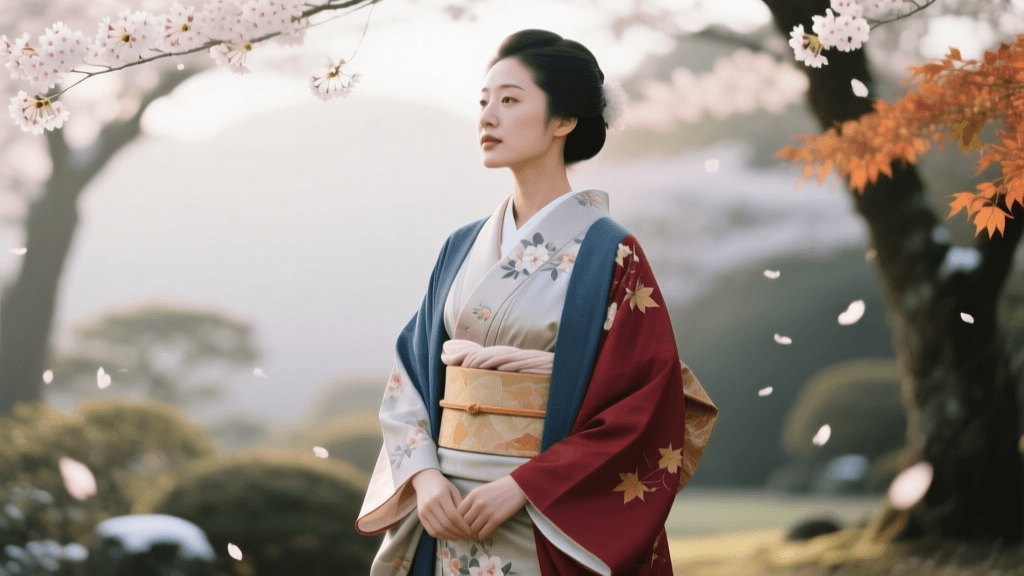
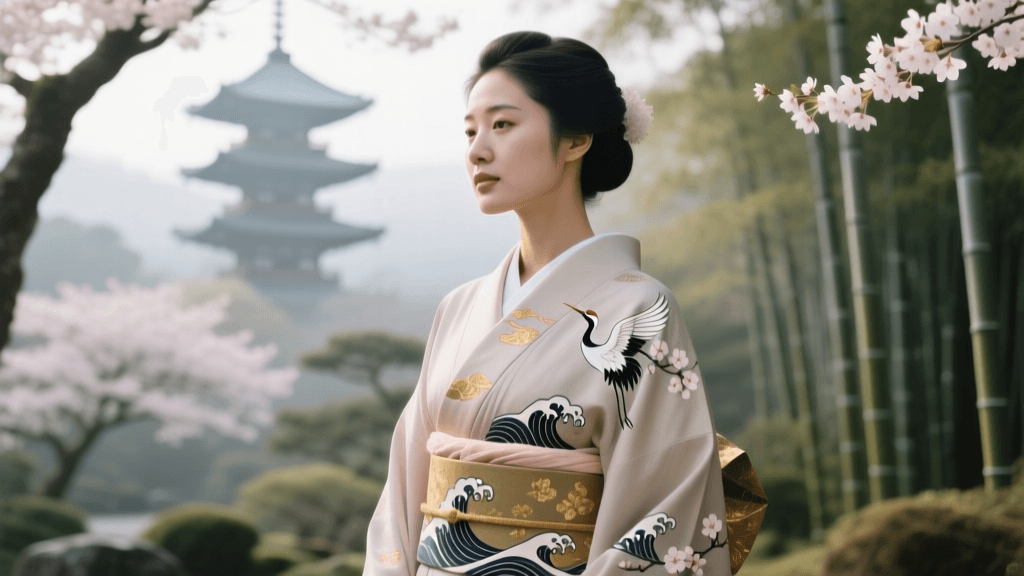
| Cherry Blossoms (Sakura) | Spring | Ephemerality, Beauty, Renewal | Oiran robes, spring festival scenes, geisha strolls |
| Maple Leaves (Momiji) | Autumn | Passage of time, Elegance, Melancholy | Courtesans viewing foliage, kabuki actor costumes |
| Pine, Bamboo, Plum (Shochikubai) | Winter / New Year | Resilience, Auspiciousness, Longevity | Bridal trousseaus, New Year greeting prints (surimono) |
| Water and Waves (Seigaiha) | Summer | Cooling, Purity, Good Fortune | Summer yukata, riverboat dining scenes, cooling motifs |
| Chrysanthemum (Kiku) | Autumn | Imperial lineage, Rejuvenation, Nobility | High-ranking samurai formal wear, autumn moon viewing |
Translating Edo Fashion to Modern Kimono Styling
For modern kimono enthusiasts, ukiyo-e offers a masterclass in color theory and styling. The Edo-period concept of kasane no irome (layered color combinations) is beautifully preserved in these prints. When styling a kimono today, you can draw direct inspiration from these historical archives:
- The Han-eri Contrast: In many Utamaro prints, the white or brightly dyed han-eri (detachable collar) of the undergarment (nagajuban) provides a sharp, deliberate contrast to the outer kimono. Modern wearers can replicate this by pairing a muted, earth-toned tsumugi (silk pongee) kimono with a vibrant, embroidered red or gold collar to frame the face.
- Asymmetrical Placement: Unlike modern mass-produced textiles, Edo-period yuzen dyers often placed dramatic motifs (like a cascading waterfall or a blooming plum branch) asymmetrically, sweeping from the left shoulder down to the right hem. When shopping for vintage kimono, look for this continuous, sweeping pattern placement, which is a hallmark of high-end, hand-painted artistry.
- Obi as the Focal Point: Ukiyo-e frequently depicts the obi (sash) as the most ornate and expensive part of the ensemble, often featuring heavy gold and silver threads. Today, you can elevate a simple, solid-color komon (everyday kimono) by pairing it with a heavily brocaded fukuro obi, mimicking the merchant-class strategy of hiding luxury in the details.
Practical Guide: Collecting and Viewing Ukiyo-e Fashion Prints
Collecting antique ukiyo-e prints featuring kimono motifs is a rewarding pursuit, but it requires a keen eye for authentication, condition, and market value. According to the Smithsonian National Museum of Asian Art, the interplay between commercial publishing and artistic genius in these prints makes them highly sought after by global collectors. Here is an actionable guide for prospective buyers:
Authentication and Identification
Always look for the kiwame (censor seal) and the publisher's mark, usually located in the bottom left or right margin. These seals changed over time, allowing experts to date a print within a few years. Additionally, identify the artist's signature and seal, typically found near the edge of the composition.
Measurements and Margins
The standard size for a vertical ukiyo-e print (oban tate-e) is approximately 39 cm by 26 cm (15.3 x 10.2 inches). When evaluating a print, check the margins. Historically, albums were trimmed to fit standard book sizes, cutting off the artist's signature or censor seals. A print with full, untrimmed margins can be worth 30% to 50% more than a trimmed counterpart.
Cost Guide and Market Tiers
- Late 19th / 20th Century Reprints: $50 – $150. These are later woodblock impressions or Meiji-era exports. Great for beginners and framing.
- Mid-19th Century Originals (Kunisada, Kuniyoshi): $300 – $900. Actor prints (yakusha-e) and standard courtesan prints from the late Edo period are relatively abundant and offer authentic historical textiles.
- Late 18th Century Masterpieces (Utamaro, Sharaku): $2,000 – $15,000+. First-edition prints featuring pristine colors, intact mica backgrounds, and sharp registration marks command premium prices at auction.
Care and Storage
Ukiyo-e prints are created with organic, vegetable-based pigments that are highly sensitive to UV light and humidity. Store your prints flat in archival-quality, acid-free boxes interleaved with washi (Japanese mulberry paper). Maintain a relative humidity of 45% to 55% to prevent foxing (brown mold spots) and keep them away from direct sunlight to prevent the delicate reds and blues from fading.
Conclusion
Ukiyo-e woodblock prints are far more than mere decorative art; they are intricate, coded documents of Japanese sartorial history. By learning to decode the seasonal motifs, hidden linings, and specialized printing techniques used to depict silk and brocade, we gain a profound understanding of the social dynamics and aesthetic brilliance of the Edo period. Whether you are a textile historian, a modern kimono stylist, or an art collector, the floating world continues to offer endless inspiration and practical wisdom for the study of Asian traditional garments.