Decoding Kimono Motifs: A Guide to Color and Seasonality
The Language of the Kimono: Color and Motif Symbolism
The traditional Japanese kimono is far more than a simple garment; it is a wearable canvas that communicates the wearer's age, marital status, social standing, and, most importantly, their deep connection to the natural world. Unlike Western fashion, which often chases rapid trend cycles, the kimono operates on a deeply codified system of pattern color and motif symbolism. According to the Victoria and Albert Museum, the kimono's visual language is rooted in centuries of literary, artistic, and cultural traditions, where every dyed thread and woven pattern carries profound meaning.
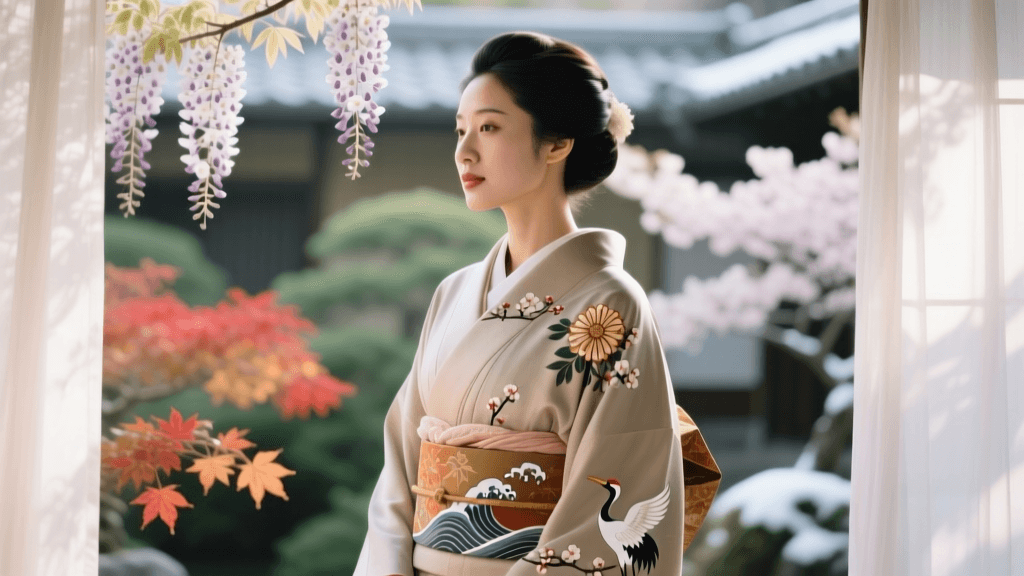
At the heart of this sartorial philosophy is the concept of kisetsukan (seasonal feeling). In traditional Japanese aesthetics, wearing a motif slightly before its peak in nature is considered the height of elegance. For instance, cherry blossom (sakura) motifs are worn in late March to anticipate the early April blooms, but wearing them after the petals have fallen is considered a fashion faux pas. This hyper-awareness of nature's fleeting moments transforms the kimono into a living calendar.
Seasonal Rules: When to Wear Specific Motifs
Understanding the seasonal rotation of kimono motifs is essential for anyone looking to wear traditional Japanese clothing with cultural accuracy. The Metropolitan Museum of Art notes that Edo-period merchants and samurai classes strictly adhered to seasonal dress codes, a practice that continues in formal tea ceremonies and traditional arts today.
| Season | Key Motifs | Traditional Colors | Wearing Timing & Rules |
|---|---|---|---|
| Spring | Sakura (cherry blossom), Willow, Butterflies, Plum blossoms | Pastel pinks, soft greens, pale yellows | March to May. Wear sakura before it blooms; wear plum in late winter/early spring. |
| Summer | Morning Glory, Wisteria, Goldfish, Water wheels, Bamboo | Cool blues, crisp whites, translucent indigos | June to August. Motifs should evoke coolness and water to combat the humid heat. |
| Autumn | Maple leaves, Chrysanthemum, Susuki (pampas grass), Full moon | Warm reds, burnt oranges, gold, deep purples | September to November. Maple motifs are worn as leaves turn, not after they fall. |
| Winter | Pine, Snow rings (Yukiwa), Camellia, Nandina (sacred bamboo) | Deep greens, stark whites, rich crimsons | December to February. Pine represents endurance through the harsh cold. |
Color Symbolism and Natural Dyes
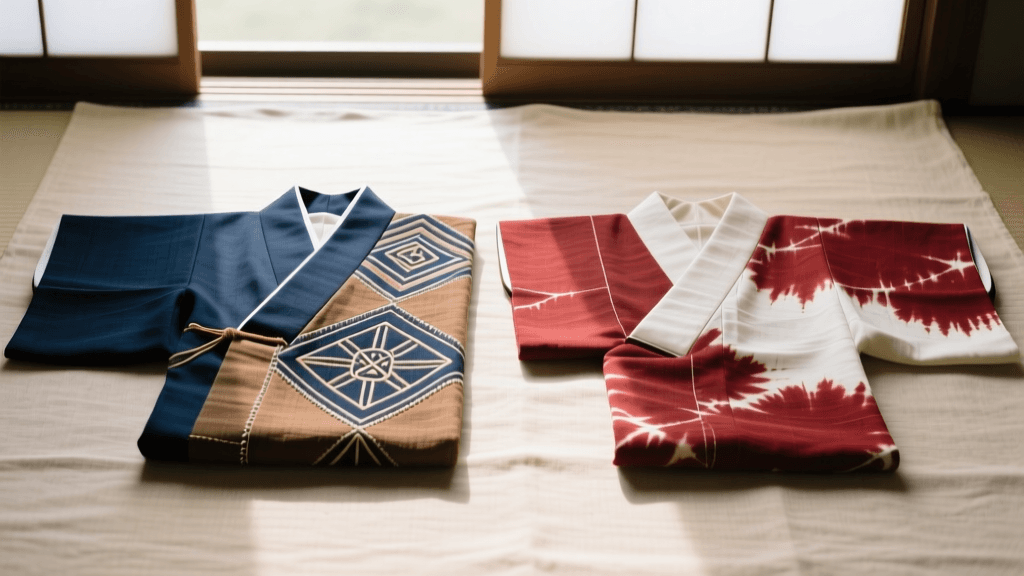
Before the introduction of synthetic aniline dyes in the late Meiji period, kimono colors were derived from nature, and the extraction process imbued them with spiritual and social significance. The Smithsonian National Museum of Asian Art highlights how natural dyeing techniques like aizome (indigo dyeing) and benizome (safflower dyeing) were labor-intensive, making certain colors exclusive to the aristocracy.
- Indigo (Ai): Known as 'Japan Blue,' indigo was prized not only for its rich, deep hues but also for its practical properties. It repels insects and strengthens cotton fibers, making it the standard for commoners and samurai undergarments.
- Crimson (Beni): Extracted from safflower petals, true crimson was incredibly expensive. It symbolized passion, youth, and vitality, and was heavily utilized in the linings of women's kimono and the uchikake (wedding over-robe).
- Saffron and Yamabuki (Golden Yellow): Historically restricted by sumptuary laws, vibrant yellows were reserved for the highest echelons of society and later became associated with autumnal elegance and wealth.
Auspicious Motifs for Formal Occasions
When attending weddings, coming-of-age ceremonies (Seijin Shiki), or formal tea gatherings, the motifs shift from seasonal reflections to auspicious symbols of longevity, prosperity, and good fortune. The most prominent of these is the Sho-chiku-bai (Pine, Bamboo, and Plum) trio. Pine represents longevity and steadfastness; bamboo symbolizes resilience and flexibility; and plum stands for endurance and the promise of spring. Another highly revered motif is the crane (tsuru), which in Japanese folklore is said to live for a thousand years, making it the ultimate symbol of longevity and marital fidelity, frequently woven into the gold-threaded fukuro obi sashes worn by brides.
Beyond the Mainland: Ainu and Ryukyuan Traditions
While the Wajin (mainland Japanese) kimono relies heavily on subtle seasonal shifts, the indigenous and regional garments of Japan's peripheries utilize pattern and color for spiritual protection and environmental adaptation. The Ainu people of Hokkaido traditionally craft garments like the attus (elm bark cloth) and cotton robes adorned with moreu (spiral) and aiushi (thorn) motifs. These geometric patterns are not merely decorative; they are placed at vulnerable openings like the neck, cuffs, and hem to ward off evil spirits.
Conversely, the Ryukyuan bingata of Okinawa bursts with bold, saturated yellows, reds, and blues. Motifs feature tropical flora, ocean waves, and Chinese-influenced dragons, reflecting the Ryukyu Kingdom's history as a vibrant maritime trading hub. The use of resist-dyeing in bingata creates a vibrant, sun-drenched aesthetic perfectly suited to the subtropical climate.
Actionable Guide: Buying, Sizing, and Styling Your Kimono
Transitioning from an admirer of kimono motifs to an active wearer requires understanding the practicalities of kitsuke (the art of dressing). Here is a comprehensive guide to help you build your first traditional wardrobe.
1. Mastering the Measurements
Unlike Western clothing, kimono are not sized by chest or waist, but by height and arm span. When shopping online or at vintage markets, you must know two critical measurements:
- Mitake (Back Length): Measure from the base of your neck (the prominent vertebra) down to your heel. Ideally, the kimono's back length should match this measurement exactly, allowing the hem to rest perfectly at your ankles.
- Yuki (Arm Span): Measure from the center back of your neck, over the shoulder, and down to your wrist bone. Standard vintage women's kimono typically have a yuki of 64cm to 68cm. If your arms are longer, you will need to seek out modern or custom-tailored garments.
2. Timing Your Purchases: The Koromogae
The Japanese observe koromogae, the biannual wardrobe change. On June 1st, the country transitions to hitoe (unlined garments) and usumono (sheer summer silks). On October 1st, the wardrobe shifts back to awase (lined garments) for autumn and winter. To get the best deals, buy your winter awase kimono in August when retailers are clearing stock, and purchase summer yukata and hitoe in late October.
3. Budgeting for a Complete Kitsuke
A kimono is never worn alone; it requires a specific ecosystem of undergarments and accessories. Here is a realistic budget breakdown for a beginner's vintage setup (prices in USD):
- Vintage Silk Kimono: $50 - $150 (Look for sellers like Ichiroya or Kimono Yamato).
- Nagajuban (Undergarment): $30 - $60 (Protects the silk from sweat and oils).
- Hanhaba Obi (Casual Sash): $20 - $40 (Easier to tie for beginners than formal sashes).
- Koshihimo (Ties): $15 for a pack of 3 (Essential for securing the garment before tying the obi).
- Datejime (Wide Belt): $10 - $20 (Keeps the chest area flat and secure).
- Tabi (Split-toe socks) & Zori (Sandals): $30 - $50 combined.
Total Estimated Cost: $155 - $350 for a complete, authentic, and reusable vintage outfit. For those visiting Japan, renting a modern, professionally styled outfit in cities like Kyoto or Kanazawa typically costs between $50 and $80 per day, which is an excellent way to test different motif styles before committing to a purchase.
Conclusion
Wearing a kimono is an exercise in mindfulness. By understanding the intricate language of pattern color and motif symbolism, you do more than just put on a beautiful garment; you participate in a centuries-old dialogue between humanity and the natural world. Whether you are selecting a crisp blue morning glory for a humid July afternoon or a resilient pine motif for a New Year's celebration, the kimono allows you to wear the poetry of the seasons.