Decoding Japanese Kimono Motifs: Color & Seasonal Symbolism
The Art of Kisetsukan: Seasonal Awareness in Japanese Dress
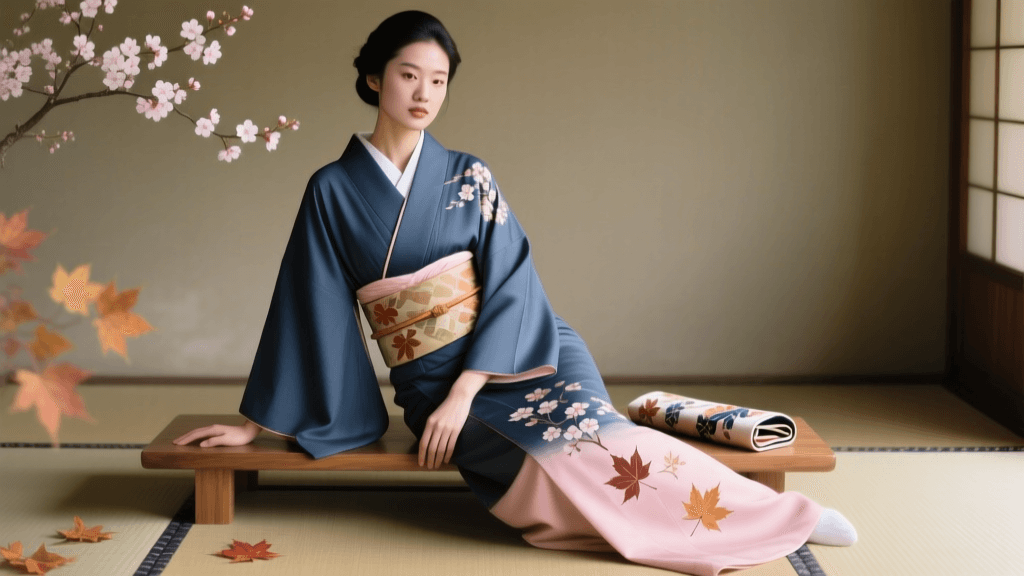
In the realm of traditional Japanese clothing, a garment is never merely a piece of fabric; it is a canvas that reflects the natural world, social standing, and the precise moment in time. This profound connection to nature is encapsulated in the concept of kisetsukan, or seasonal awareness. When selecting a kimono, the wearer must harmonize their attire with the changing seasons, utilizing specific colors, motifs, and textiles to anticipate and celebrate the natural cycle. According to The Metropolitan Museum of Art's Heilbrunn Timeline of Art History, the decoration of the kimono evolved from simple woven patterns to highly complex, symbolic dyeing and embroidery techniques that served as a visual language for the wearer's sophistication and cultural literacy.
Color Symbolism: Beyond Aesthetics
The colors chosen for a kimono and its accompanying obi (sash) carry deep historical and spiritual significance, often rooted in the Heian period (794–1185) court rankings and Shinto beliefs.
Red (Aka) and White (Shiro)
Red is a color of vitality, youth, and celebration. In traditional garments like the furisode (long-sleeved kimono for unmarried women), vibrant reds signify maidenhood and joyous occasions. White, conversely, represents purity, cleanliness, and the divine. In Shinto weddings, the bride wears a pure white shiromuku to symbolize her willingness to be "dyed" in the colors of her new family. However, white is also historically associated with mourning and the transition to the afterlife, demonstrating how context and motif alter a color's meaning.
Indigo (Ai) and Purple (Murasaki)
Indigo is the quintessential color of the Japanese commoner and the summer season. Beyond its beautiful deep blue hue, indigo dye possesses natural insect-repellent and deodorizing properties, making it highly practical for humid summers and for the working class. Purple, historically the most difficult and expensive color to produce, was strictly reserved for the highest ranks of the imperial court and Buddhist clergy. Today, a deep purple kimono remains a symbol of elegance, maturity, and high formality.
Regional Variations: Ryukyuan Bingata and Ainu Attus
While mainland Japan favors subtle seasonal shifts, the Ryukyu Islands (modern-day Okinawa) developed Bingata, a resist-dyeing technique characterized by explosive, vibrant colors like turmeric yellow and brilliant crimson. Ryukyuan motifs frequently feature hibiscus, ocean waves, and tropical flora, reflecting a subtropical environment rather than the four distinct seasons of the mainland. Further north, the indigenous Ainu people of Hokkaido crafted garments from attus (elm bark cloth) and cotton. Ainu motifs, such as the moreu (thorn-like swirls) and aiushi (eye-like shapes), are not seasonal but spiritual, designed in dark indigo or black on brown backgrounds to protect the wearer from malevolent spirits.
Seasonal Motifs: A Month-by-Month Guide
Understanding which motifs belong to which season is crucial for anyone looking to wear or collect traditional Japanese garments. The Victoria and Albert Museum's Asian Kimono Collection highlights how artisans meticulously mapped flora and fauna to specific months, creating a wearable almanac.
| Season | Months | Key Motifs | Associated Colors |
|---|---|---|---|
| Spring | March - May | Sakura (Cherry Blossom), Ume (Plum), Wisteria, Peony | Pastel pinks, soft greens, pale yellows |
| Summer | June - August | Ayame (Iris), Asagao (Morning Glory), Fireflies, Water motifs | Cool blues, crisp whites, indigo, transparent fabrics (Ro/Sha) |
| Autumn | September - November | Momiji (Maple leaves), Kiku (Chrysanthemum), Susuki (Pampas grass) | Warm oranges, deep reds, gold, rich browns |
| Winter | December - February | Tsubaki (Camellia), Shochikubai (Pine, Bamboo, Plum), Snow rings | Deep purples, stark whites, evergreen, silver accents |
The Golden Rule of Timing: Anticipation over Imitation
"One never wears the cherry blossom when it is in full bloom; one wears it when the buds are tight, anticipating the beauty that is to come. Once the petals fall, the motif is dead."
The most critical actionable advice for wearing seasonal kimono is the rule of anticipation. You should begin wearing a seasonal motif roughly one month before the season or natural event actually occurs. For example, cherry blossom (sakura) motifs should be worn from late February through early March. Wearing a sakura motif in late April, when the flowers have already fallen, is considered a fashion faux pas, as it suggests the wearer is disconnected from the immediate reality of nature. The only exception to this rule is the use of abstract or highly stylized motifs (like the seigaiha wave pattern or geometric asanoha hemp leaf), which are considered tsuuseason (all-season) and can be worn year-round.
Actionable Guide: Building a Versatile Kimono Wardrobe
Whether you are a collector, a practitioner of traditional arts, or an enthusiast attending cultural events, building a kimono wardrobe requires an understanding of garment types, precise measurements, and budgeting.
1. Essential Garment Types and Costs
- Edo Komon (Everyday/Semi-Formal): Featuring micro-patterns that look solid from a distance but reveal tiny motifs (like plum blossoms or ocean waves) up close. These are all-season if the motif is abstract. Cost: $40–$150 for vintage; $800+ for new.
- Tsukesage (Semi-Formal): Features motifs that flow upwards from the hem and are confined to specific panels, making it perfect for tea ceremonies and seasonal parties. Cost: $80–$250 for vintage; $1,200+ for new.
- Houmongi (Formal Visiting Wear): Features continuous, hand-painted motifs that flow across the seams of the kimono. Ideal for weddings and formal seasonal gatherings. Cost: $200–$600 for vintage; $2,500–$5,000+ for new, custom-dyed pieces.
2. Obi Measurements and Selection
The obi is just as important as the kimono itself, and its motifs must complement, not clash with, the main garment. When purchasing, you must verify the measurements to ensure it can be tied in the desired knot (such as the otaiko drum knot).
- Nagoya Obi: Measures exactly 30 cm in width and 360 cm in length. It is pre-folded at one end and is the standard choice for casual to semi-formal wear (Komon and Tsukesage). Look for seasonal motifs embroidered on the otaiko (the visible back panel) and the mae (the front panel).
- Fukuro Obi: Measures 30 cm in width and 420 cm in length. Fully patterned and heavily brocaded with gold and silver threads. This is strictly required for formal garments like Furisode and Kurotomesode.
- Obijime (Cord): A braided silk cord, typically 1.5 cm thick and 150 cm long, used to secure the obi. Choose colors that provide a striking contrast to both the kimono and the obi to anchor the outfit.
3. Budgeting and Sourcing Strategy
For beginners, Encyclopedia Britannica's guide to the Kimono notes the historical shift of these garments from daily wear to highly specialized ceremonial attire, which has created a massive secondary market. Your best strategy is to purchase high-quality vintage silk kimono from specialized online exporters based in Kyoto or Tokyo. Allocate roughly 60% of your budget to the kimono, 30% to a high-quality vintage Nagoya obi, and 10% to essential accessories (obijime, obidome, and tabi socks). Always check the hiro (shoulder-to-hem length) and yuki (center-back to wrist measurement) against your own body measurements, as vintage garments were tailored to specific individuals and altering silk is costly.
Conclusion
Mastering the pattern, color, and motif symbolism of the Japanese kimono is a lifelong pursuit of aesthetic and cultural harmony. By understanding the profound philosophy of kisetsukan, respecting the historical weight of colors like indigo and crimson, and adhering to the practical measurements and timing rules of the garment, you do more than just wear traditional clothing. You participate in a centuries-old dialogue between humanity and the natural world, wrapping yourself in the very essence of the passing seasons.