Children's Hanfu Guide: Festivals and Rites of Passage
The Cultural Revival of Children’s Hanfu
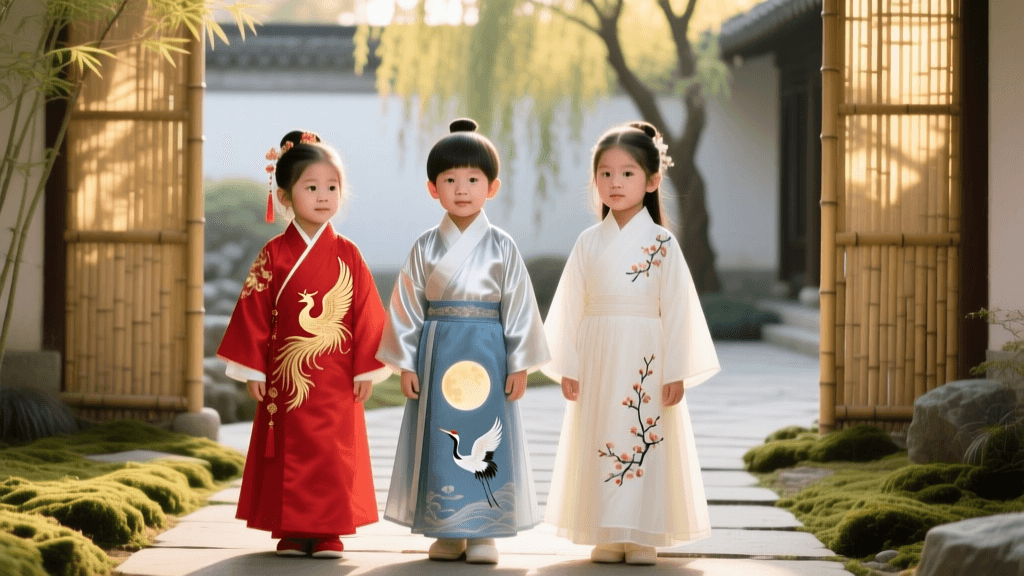
The global Hanfu movement has transcended adult fashion, sparking a vibrant revival in children’s traditional Chinese clothing. Dressing children in Hanfu is no longer just about aesthetics; it is a profound way to connect the younger generation with their cultural heritage. From the bustling streets of Beijing during the Spring Festival to overseas diaspora communities celebrating the Mid-Autumn Festival, children’s Hanfu serves as a living bridge to the past. However, selecting the right garments for growing bodies requires a careful balance of historical accuracy, cultural symbolism, and modern practicality. This comprehensive guide explores the best Hanfu styles for major festivals and childhood rites of passage, offering actionable advice for parents and cultural enthusiasts.
Dressing for the Lunar Calendar: Festival Hanfu
Traditional Chinese festivals are deeply tied to the lunar calendar, agricultural cycles, and ancient mythology. The clothing worn during these events often reflects the season, the festival's core themes, and auspicious symbolism meant to protect and bless the child.
Lunar New Year (Spring Festival)
The Lunar New Year is the most significant holiday in Chinese culture, symbolizing renewal, family reunion, and the warding off of evil spirits. According to the Asia Society, the color red is paramount during this festival, as it is believed to bring good fortune and joy. For children, the Aoqun (a lined or padded jacket paired with a skirt) is highly popular in northern climates where the festival occurs in deep winter. For warmer regions, a vibrant red Ruqun (a cross-collar blouse and high-waisted skirt) is ideal. Look for garments embroidered with auspicious motifs like koi fish (symbolizing abundance), peonies (wealth), or the zodiac animal of the incoming year.
Practical Tip: Winter Hanfu for toddlers should feature a Mamianqun (horse-face skirt) made of soft, non-bulky wool blends rather than stiff brocades, allowing them to run and play comfortably while maintaining a traditional silhouette.
Mid-Autumn Festival
Celebrated on the 15th day of the 8th lunar month, the Mid-Autumn Festival is a harvest celebration centered around the full moon, family gatherings, and mooncakes. The aesthetic for this festival leans toward elegance, serenity, and celestial motifs. Pastel colors such as moonlight white, soft jade green, and pale lavender are highly appropriate. The Beizi (an open-front, straight-sleeved jacket) worn over a simple dress or Ruqun is an excellent choice. The Beizi provides a beautiful layering effect that mimics the gentle, flowing aesthetics seen in traditional scroll paintings, while allowing for easy temperature regulation during crisp autumn evenings.
Dragon Boat Festival (Duanwu Festival)
Occurring in early summer, the Dragon Boat Festival is historically associated with warding off disease and evil spirits as the hot, humid weather sets in. As noted by cultural guides like China Highlights, protective symbols are central to Duanwu customs. Children’s Hanfu for this festival often incorporates the 'Five Poisons' motif (scorpion, viper, centipede, house lizard, and toad) or fierce tiger designs, traditionally embroidered onto collars, cuffs, or accompanying accessories like tiger-head shoes. Lightweight, breathable linen or cotton Jiaoling Youren (cross-collar right-lapel tops) paired with loose-fitting trousers are the most practical and historically grounded choices for active summer play.
Hanfu for Childhood Rites of Passage
Beyond annual festivals, traditional Chinese culture marks specific developmental milestones with distinct rites of passage. Dressing a child in appropriate Hanfu elevates these moments from mere family gatherings to profound cultural ceremonies.
Zhuazhou (First Birthday Grasping Ceremony)
Zhuazhou is a beloved tradition where a one-year-old is placed before a selection of objects (such as a book, a calculator, a stethoscope, or a calligraphy brush) to 'predict' their future inclinations. Because the child is only a year old, comfort and safety are the absolute priorities. A simple, unlined cotton Zhiduo (a straight, one-piece robe) or a soft cross-collar top with snap-crotch pants is recommended. Avoid heavy embroidery, stiff collars, or long trailing sleeves that could pose a tripping or choking hazard. The focus should be on soft, natural dyes and skin-friendly fabrics.
Kai Bi Li (Opening the Pen / Starting School)
Historically, when a child reached the age of four or five and began their formal education in Confucian classics, a 'Kai Bi' ceremony was held to honor Confucius and the teacher. Today, many families and cultural academies revive this rite when a child enters primary school or begins learning calligraphy. The appropriate attire is a modest, scholar-style Hanfu. A plain, dark-colored Shenyi (deep robe) or a simple blue or grey cross-collar top with a black sash conveys respect, humility, and a readiness to learn. This rite is recognized as part of the broader tapestry of cultural practices preserved under the UNESCO Intangible Cultural Heritage frameworks for traditional Chinese customs.
Practical Buying Guide: Sizing, Fabrics, and Safety
Buying Hanfu for children presents unique challenges. Children grow rapidly, and their skin is more sensitive than that of adults. Furthermore, traditional garments were not always designed with modern playground safety in mind. Below is a structured guide to help parents make informed purchasing decisions.
Age and Style Recommendation Chart
| Age Group | Primary Events | Recommended Hanfu Style | Best Fabric Choice | Key Considerations |
|---|---|---|---|---|
| 1-3 Years | Zhuazhou, Casual Festivals | Cross-collar top with soft pants | 100% Cotton, Bamboo blends | No small detachable parts; flat seams; snap closures for diapers. |
| 4-7 Years | Kai Bi Li, Dragon Boat | Jiaoling Youren, simple Ruqun | Linen, Cotton-linen blends | Adjustable waist ties; shorter skirt lengths to prevent tripping. |
| 8-12 Years | Lunar New Year, Mid-Autumn | Aoqun, Beizi, Mamianqun | Soft Brocade, Tencel, Silk blends | Proper structural layering; introduction to traditional hair accessories. |
Fabric Selection for Sensitive Skin
Traditional Hanfu often utilizes silk, heavy brocade, and stiff organza. While beautiful, these can be highly irritating to a toddler's sensitive skin and difficult to clean. For children under five, always prioritize 100% natural cotton, bamboo viscose, or soft linen. These fabrics are breathable, machine-washable, and hypoallergenic. If you desire the luxurious look of silk for a festival, opt for modern Tencel or high-quality polyester-silk blends for the outer layers, ensuring the inner lining that touches the skin remains pure cotton.
Sizing and Adjustability
One of the greatest advantages of traditional Hanfu is its inherent adjustability. Unlike modern Western clothing with fixed zippers and buttons, Hanfu relies on ties and sashes. When purchasing for a growing child, buy a size up and utilize the tie system to adjust the fit. Look for skirts with elasticized back panels hidden beneath traditional pleats—a modern innovation by contemporary Hanfu brands that maintains the historical look while accommodating a child's active movements and growth spurts.
Safety First: Modifying Tradition for Modern Play
Authentic historical Hanfu features 'water sleeves' (long, flowing extensions) and intricate hairpins. For children, these are significant safety hazards.
- Sleeves: Opt for 'narrow sleeves' (Zhaixiu) or use hidden elastic cuffs to keep fabric away from the hands during meals and play.
- Fastenings: Avoid garments that use small, decorative metal clasps or sharp traditional brooches. Stick to fabric ties.
- Hair Accessories: Replace heavy metal Guan (crowns) and sharp hairpins with soft fabric scrunchies, ribbon ties, and lightweight wooden or resin combs.
Caring for Children’s Traditional Garments
Children are notoriously messy, and festival clothing is bound to encounter spilled juices, mud, and food stains. To preserve the embroidery and pleats of children's Hanfu:
- Pre-treat Stains Immediately: Use a gentle, enzyme-based stain remover on cotton and linen blends before washing.
- Use Garment Bags: Always wash Hanfu with delicate pleats (like the Mamianqun) inside a mesh laundry bag on a cold, gentle cycle to prevent the pleats from unraveling.
- Air Dry and Iron: Never put embroidered or brocade Hanfu in the dryer. Hang them to air dry. To restore the sharp pleats of a skirt, lightly mist the fabric with water and use a steam iron on a low setting, pressing along the original fold lines.
Conclusion
Dressing children in Hanfu for festivals and rites of passage is a beautiful, tactile way to pass down cultural heritage. By understanding the historical context of garments like the Aoqun and Beizi, and by prioritizing modern safety and fabric comfort, parents can ensure that their children not only look historically resplendent but also feel joyful and secure. Whether they are grasping a calligraphy brush at their Zhuazhou ceremony or eating mooncakes in a flowing autumn Beizi, children in Hanfu are the vibrant, living continuation of a millennia-old sartorial legacy.