Hanfu Undergarments And Structural Layering Basics Guide
Beyond the Outer Robe: The Foundation of Hanfu
When most people envision traditional Chinese clothing, they picture the sweeping, elegant sleeves and flowing skirts of the outer Hanfu robes. However, the true beauty, structural integrity, and historical authenticity of Hanfu rely entirely on what lies beneath. Hanfu is not a single garment but a complex, modular system of layers designed to adapt to China's diverse climates, uphold societal standards of modesty, and create a specific, graceful silhouette. Understanding Hanfu undergarments and structural basics is essential for anyone looking to wear these garments authentically and comfortably.
The Philosophy of Hanfu Layering
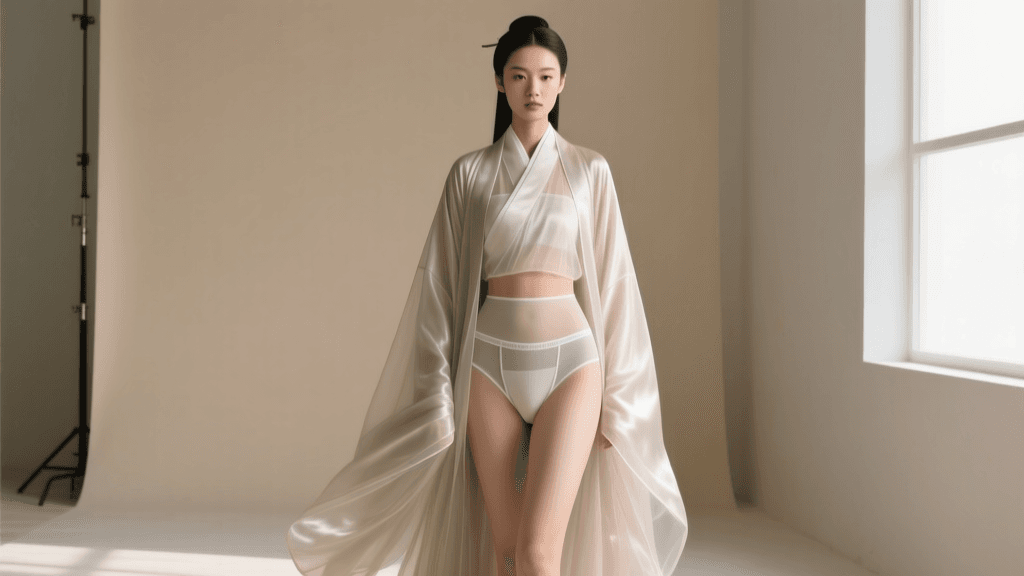
Traditional Chinese dress is deeply rooted in the philosophies of Confucianism, Taoism, and the balance of Yin and Yang. Layering serves multiple practical and philosophical purposes. First, it ensures modesty; the body must be adequately covered, and the structural base layers prevent the outer silk robes from clinging to the skin or becoming transparent in the light. Second, layering allows for climate adaptation. By adding or removing middle layers, a wearer could navigate the sweltering humidity of southern Chinese summers and the biting, dry winds of northern winters without changing their foundational garments.
The visual impact of these layered silhouettes has fascinated historians and designers alike, a phenomenon thoroughly explored in The Metropolitan Museum of Art's exhibition on Chinese fashion, which highlights how structural underlayers dictate the flow, drape, and movement of outer robes. Without the correct base, the outer garments will collapse, wrinkle, and lose their distinct architectural shape.
Essential Hanfu Undergarments (The Base Layers)
The base layers are the unsung heroes of the Hanfu wardrobe. They protect expensive outer silks from sweat and body oils while providing a smooth canvas for the outer garments.
1. Zhongyi (Inner Shirt)
The Zhongyi is the foundational inner shirt. It typically features a crossed collar (jiaoling) and narrow sleeves. The collar of the Zhongyi is designed to peek out slightly from beneath the outer robe's collar, providing a crisp, layered contrast that is a hallmark of authentic Hanfu styling. A high-quality cotton or linen Zhongyi set typically costs between $30 and $60 USD, while authentic mulberry silk base layers can range from $120 to $250 USD.
2. Zhongku (Inner Trousers)
Even when wearing a voluminous skirt like the Mamianqun (horse-face skirt), the Zhongku is mandatory. These are loose-fitting, lightweight trousers that tie at the waist with drawstrings. They prevent chafing, ensure modesty if the outer skirt blows in the wind, and provide a layer of warmth. The crotch of the Zhongku is traditionally dropped, allowing for ease of movement and sitting cross-legged.
3. Moxiong and Dudou (Chest Covers)
Historically, women wore a Dudou (a diamond-shaped bib tied around the neck and back) or a Moxiong (a tube-like chest binder) for support and modesty. In modern Hanfu wear, many enthusiasts adapt these historical pieces or use modern, discreet structural undergarments that mimic the smooth, flattened silhouette preferred in many historical eras, avoiding the pronounced shaping of modern Western corsetry.
Structural Basics and Silhouette Shaping
Unlike Western historical fashion, which often relies on rigid boning, corsets, and buttons to shape the body, Hanfu relies on the tension of fabric, strategic tying, and the natural drape of textiles. The absence of buttons in traditional structural Hanfu means that waistbands and ties do the heavy lifting.
The waistbands of Hanfu skirts and robes are typically wide and made of sturdy cotton or linen, even if the rest of the garment is delicate silk. This structural choice ensures the band can grip the waist securely without tearing. The ties are always long enough to wrap around the body multiple times, creating internal friction that keeps the heavy outer garments securely in place.
Fabric Weight and Material Guide
Choosing the right fabric for your underlayers is critical. The foundation of luxury Hanfu relies heavily on traditional textiles. As recognized by UNESCO's Intangible Cultural Heritage list, Chinese sericulture and silk craftsmanship are foundational to the garment's historical drape and breathability. For those investing in high-end base layers, understanding the properties of the fiber is crucial. Encyclopedia Britannica's comprehensive guide to silk notes that the natural triangular prism-like structure of the silk thread allows it to refract light and regulate temperature, making it an ideal, albeit expensive, underlayer.
- Cotton/Linen (Base Layers): Ideal for Zhongyi and Zhongku. Look for a GSM (grams per square meter) of 120-150 for summer, and 200+ for winter. These fabrics absorb moisture and protect outer silks.
- Silk (Base & Middle Layers): Measured in Momme (mm). A 16mm silk is lightweight and breathable for summer inner shirts. A 22mm to 30mm silk provides structural weight for middle layers and outer robes.
- Ramie (Summer Base): A traditional Chinese textile that is highly breathable, stiff, and excellent for hot, humid climates, though it requires breaking in to soften against the skin.
Seasonal Layering Strategy
Adapting your Hanfu to the seasons requires a strategic approach to layering. Below is a practical guide to structuring your garments based on the climate.
| Layer Type | Summer (Hot/Humid) | Winter (Cold/Dry) | Primary Function |
|---|---|---|---|
| Base (Zhongyi/Zhongku) | Lightweight Linen / Ramie | Thick Cotton / Flannel | Sweat absorption, modesty, skin protection |
| Middle (Banbi / Beizi) | Thin Silk / Gauze | Quilted Cotton / Wool | Temperature regulation, silhouette building |
| Outer (Pao / Aoqun) | Chiffon / Light Brocade | Heavy Brocade / Fur-lined | Social display, weather protection |
Sizing, Fit, and the Golden Rules of Overlap
The most critical structural rule of Hanfu is Jiaoling Youren—the crossed collar with the left side of the garment wrapping over the right side. (Wrapping right over left is traditionally reserved for the deceased). To achieve this correctly and comfortably, specific measurements must be respected.
The 5 Golden Rules of Hanfu Layering
- The Overlap Rule: The inner Zhongyi must overlap across the chest by at least 12 to 15 centimeters. This ensures that when you move, sit, or bend, the collar does not gape open, maintaining modesty and structural integrity.
- Sleeve Proportions: The sleeves of the base layer (Zhongyi) should end exactly at the wrist bone. The outer robe's sleeves will extend past the hands. If the base layer is too long, it will bunch up uncomfortably inside the outer sleeves.
- Skirt Height: Hanfu skirts are traditionally worn higher than modern Western skirts, sitting at or slightly above the natural waistline, just below the ribcage. This elongates the lower body and provides a secure anchor for the heavy fabric.
- Tie Tension: When tying the waistband, pull the ties firmly to the side rather than straight back. Tying at the side or front creates a flatter profile at the back, preventing the outer robes from pulling awkwardly across the shoulders.
- Never Skip the Base: Even in the peak of summer, skipping the Zhongyi will cause your expensive outer silk garments to degrade rapidly due to direct contact with sweat and body oils. Invest in ultra-thin ramie or lightweight cotton instead.
Conclusion
Mastering Hanfu undergarments and structural layering is a journey into the engineering of traditional Asian fashion. It shifts the focus from merely "wearing a costume" to experiencing a meticulously designed garment system. By investing in high-quality base layers, respecting the geometry of the crossed collar, and understanding how different fabrics interact across seasons, you honor the historical artisans who developed these brilliant sartorial solutions. The next time you don your Hanfu, remember that the true elegance of the flowing outer robe is entirely supported by the humble, structured layers beneath.