Japanese Kimono Life Stages 2026: Milestone Guide
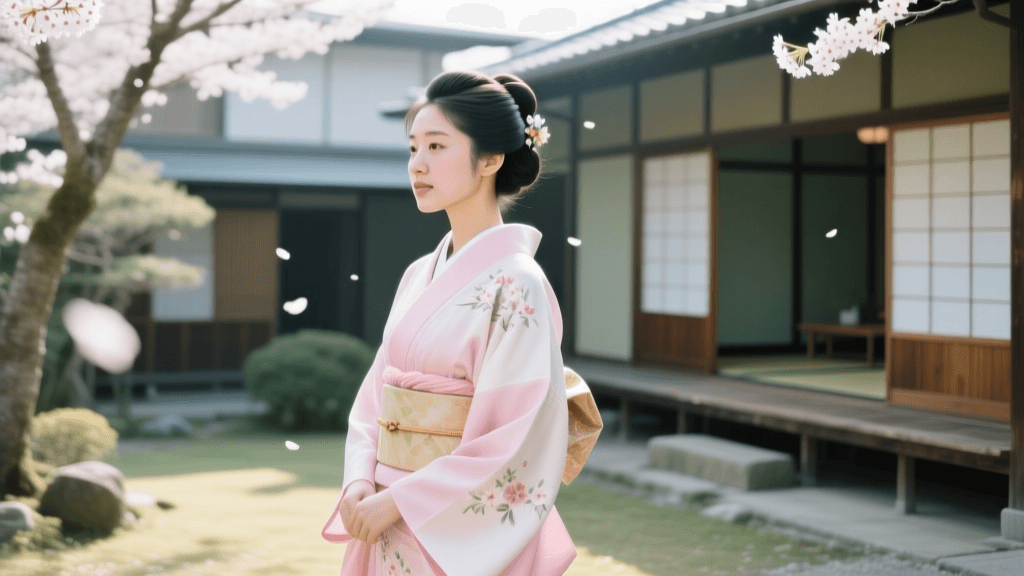
The Kimono as a Temporal Marker in 2026
In Japanese culture, clothing is rarely just about aesthetics; it is a profound temporal marker that signifies an individual's journey through life. The kimono, with its intricate layers, symbolic motifs, and strict sartorial rules, serves as a visual diary of personal milestones. As we navigate 2026, the landscape of traditional Japanese garments has evolved, blending centuries-old artisanal techniques with modern sustainability and technological innovations. According to the Victoria and Albert Museum, the kimono is a masterclass in cultural expression, where every fold, color, and sleeve length communicates the wearer's age, marital status, and the specific life stage they are celebrating.
For families and individuals in Japan, as well as the global diaspora, understanding the appropriate kimono for each age milestone is essential. From the childhood blessings of Shichi-Go-San to the vibrant Coming of Age ceremonies, and the reflective elegance of later-life celebrations, this comprehensive guide explores the kimono traditions defining life stages in 2026.
Shichi-Go-San: Childhood Blessings at Ages 3, 5, and 7
Held annually on November 15th, Shichi-Go-San (Seven-Five-Three) is a vital rite of passage for young children. Historically, child mortality was high, and reaching these specific ages was considered a miraculous milestone worthy of a shrine visit to pray for continued health and longevity. In 2026, the celebration remains a cornerstone of Japanese family life, with modern rental studios offering highly specialized, child-friendly garments.
Age 3: Himo-Toki (The Untying of the Strings)
At age three, both boys and girls celebrate himo-toki, which translates to the 'untying of the strings.' Historically, toddlers wore simple garments tied with strings for ease of movement and frequent changing. At three, they transition to wearing a kimono secured with a soft, woven obi sash. In 2026, parents heavily favor lightweight, breathable silk-blend kimono sets treated with nano-stain-resistant coatings, ensuring the garments survive the inevitable spills of a toddler's shrine visit.
Age 5: Hakama-Gi (The First Hakama)
Five-year-old boys celebrate hakama-gi, donning a formal hakama (pleated trousers) over a kimono for the first time. The outfit is typically adorned with auspicious motifs such as hawks, pine trees, or samurai helmets, symbolizing bravery and resilience. The 2026 trend for boys' hakama leans toward deep, rich jewel tones—like emerald green and navy blue—paired with modernized, ergonomic zori (sandals) that provide better arch support for growing feet.
Age 7: Obi-Toki (The Tying of the Obi)
For seven-year-old girls, the obi-toki ceremony marks the transition from a simple tied sash to a formal, structured obi. This is often a girl's first experience with the elaborate kitsuke (kimono dressing) process. The kimono features vibrant, youthful patterns like peonies, cherry blossoms, and playful rabbits. A popular styling choice in 2026 is the use of pre-tied tsuke-obi (clip-on obi) for children, which drastically reduces dressing time and physical discomfort, allowing the child to enjoy the festivities without restriction.
Seijin-no-Hi: The 18-Year-Old Coming of Age Ceremony
Seijin-no-Hi, celebrated on the second Monday of January, is one of the most visually spectacular events in Japan. Following the national legal shift that lowered the age of adulthood from 20 to 18, municipalities have fully adapted by 2026, hosting vibrant ceremonies specifically tailored to 18-year-olds. This demographic shift has profoundly influenced the furisode (long-sleeved kimono) market.
Unmarried young women wear the furisode, characterized by its dramatically long, swinging sleeves that can measure up to 114 centimeters in length. The long sleeves historically served to ward off evil spirits and signal availability for marriage. In 2026, the Japan National Tourism Organization notes a massive surge in 'Neo-Retro' furisode designs. These garments blend Taisho-era (1912-1926) romanticism with contemporary digital dyeing techniques, resulting in striking, high-contrast geometric patterns mixed with classic florals.
For young men, the traditional choice is a formal black montsuki haori hakama (a crested jacket over pleated trousers). However, 2026 has seen a rise in young men opting for tailored, modern suits, though those who choose traditional wear often incorporate vibrant, silk-lined haori jackets that reflect their personal style while respecting the formality of the occasion.
Matrimonial Milestones: Shiromuku and Irouchikake
Weddings represent the most lavish and expensive milestone in the Japanese kimono lifecycle. The traditional Shinto wedding ceremony demands specific garments that carry deep spiritual weight.
The shiromuku is the pure white wedding kimono worn during the ceremony. The color white symbolizes purity and the bride's willingness to be 'dyed' in the colors of her new family. In 2026, sustainable luxury is a major trend; many brides are choosing shiromuku woven from ethically sourced, peace silk, where the silkworm is allowed to emerge from the cocoon before the threads are harvested. The ensemble includes a wataboshi (white hood) or tsunokakushi (horn-hiding veil), which traditionally hides the bride's 'horns' of jealousy and ego.
Following the ceremony, the bride changes into an irouchikake, a heavily padded, brightly colored over-robe worn open like a coat. Crimson and gold remain the most popular colors, symbolizing vitality and prosperity. A significant 2026 movement involves 'vintage upcycling,' where brides restore their grandmother's 1970s uchikake, pairing the vintage textile with modern, minimalist obi accessories to bridge generational gaps.
Mothers of the bride and groom typically wear the kurotomesode, a black kimono with patterns restricted to the lower half and featuring five family crests. It remains the pinnacle of formal wear for married women, projecting dignity and respect.
Kanreki: The 60th Birthday Celebration
The 60th birthday, or Kanreki, marks the completion of five full cycles of the Chinese zodiac, symbolizing a rebirth or a return to the beginning of the calendar cycle. The traditional garment for this milestone is the chanchanko, a padded, sleeveless vest worn over a kimono.
The color red is strictly associated with Kanreki, representing the red sun, vitality, and protection against illness. While traditional heavy silk was standard in the past, the 2026 market offers innovative, stretch-woven crimson textiles. These modern fabrics provide the luxurious sheen of silk but offer the elasticity and breathability required for senior comfort. As reported by The Japan Times, the aging population has driven a surge in demand for 'barrier-free' traditional wear, featuring magnetic closures and lightweight padding that allows seniors to celebrate their rebirth with ease and dignity.
2026 Kimono Milestone Cost and Rental Guide
Navigating the financial aspect of kimono milestones is crucial for modern families. While purchasing heirloom-quality silk remains a significant investment, the 2026 rental market has become highly sophisticated, offering all-inclusive packages that cover dressing, hair styling, and photography. Below is a comparative breakdown of average costs in Japanese Yen (JPY) for 2026.
| Milestone | Typical Age | Primary Garment | 2026 Avg Rental (JPY) | 2026 Avg Purchase (JPY) |
|---|---|---|---|---|
| Shichi-Go-San (Girls 7) | 7 | Kodomo Furisode / Obi Set | ¥15,000 - ¥25,000 | ¥80,000 - ¥150,000 |
| Shichi-Go-San (Boys 5) | 5 | Hakama & Haori Set | ¥12,000 - ¥20,000 | ¥60,000 - ¥120,000 |
| Seijin-no-Hi | 18 | Furisode (Full Set) | ¥45,000 - ¥85,000 | ¥300,000 - ¥800,000+ |
| Wedding (Bride) | Varies | Shiromuku / Irouchikake | ¥150,000 - ¥250,000 | ¥500,000 - ¥2,000,000+ |
| Kanreki | 60 | Red Chanchanko & Kimono | ¥20,000 - ¥35,000 | ¥100,000 - ¥250,000 |
Note: Rental packages in 2026 typically include professional kitsuke (dressing) services, basic accessories (zori, tabi, kanzashi hairpins), and salon hair styling. Purchased garments often require separate budgets for tailoring, obi, and undergarments.
Preserving Heirloom Garments in 2026
For those who choose to purchase or inherit milestone kimono, preservation is paramount. Silk is highly susceptible to humidity, light, and pests. In 2026, the standard for preserving heirloom furisode and shiromuku involves AI-driven climate control storage solutions. Specialized kimono wardrobes now feature micro-climate sensors that automatically adjust internal humidity to the optimal 50-55% range, preventing mold growth and fiber degradation. Furthermore, the use of acid-free, unbleached cotton tatoushi (storage wrappers) remains the gold standard for allowing the silk to breathe while protecting it from dust and light exposure.
Conclusion
The kimono remains an indomitable symbol of Japanese cultural continuity. As we move through 2026, the garments associated with life's major milestones continue to adapt, embracing sustainable textiles, ergonomic designs, and modern aesthetics without sacrificing their deep-rooted symbolism. Whether it is a three-year-old taking their first steps in a shrine, an 18-year-old stepping into legal adulthood, or a 60-year-old celebrating their zodiac rebirth, the kimono provides a beautiful, wearable narrative of the human experience. Understanding these life stages not only enriches our appreciation of Asian traditions but also highlights the enduring power of clothing to mark the passage of time.