Kimono Milestones 2026: Life Stages, Styles & Costs
The Evolution of Kimono Across a Lifetime
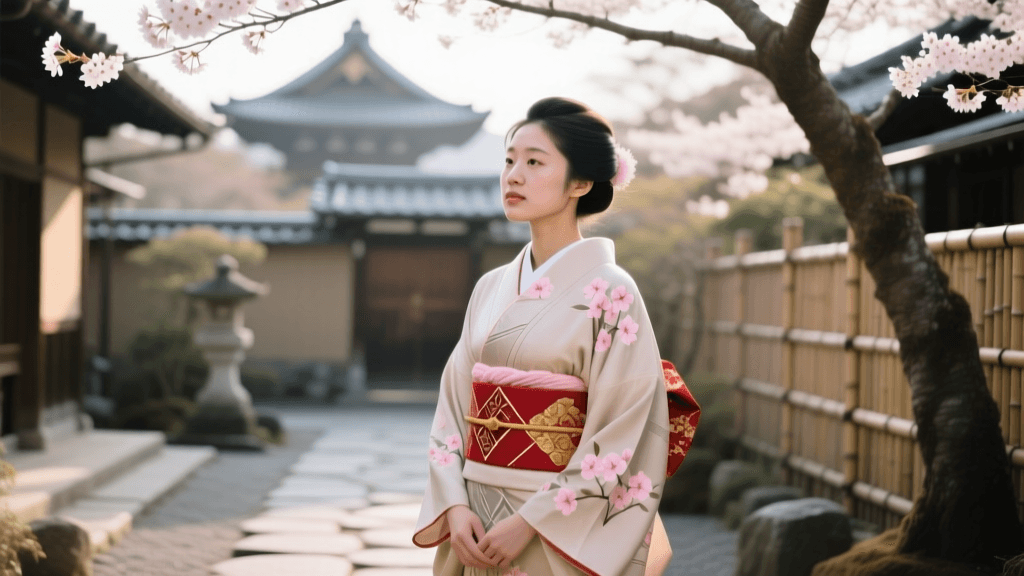
In Japanese culture, the passage of time is not merely measured in years, but in the garments worn during pivotal life transitions. As we navigate through 2026, the kimono remains a profound symbol of personal growth, familial duty, and cultural continuity. While everyday fashion in Tokyo and Osaka has thoroughly modernized, traditional milestones still demand the elegance, structure, and historical weight of silk textiles. From the vibrant blessings of childhood to the solemnity of final farewells, the kimono serves as a wearable archive of a person’s journey.
For families and individuals planning ceremonies this year, understanding the specific sartorial rules, current market pricing, and emerging sustainable trends is essential. This comprehensive guide explores the definitive kimono styles for Japan’s major life stages, providing actionable insights and 2026 market data for those participating in these timeless traditions.
Shichi-Go-San (Ages 3, 5, and 7): Childhood Blessings
Celebrated annually on November 15th, Shichi-Go-San (Seven-Five-Three) is a rite of passage praying for the health and longevity of young children. Historically tied to the high infant mortality rates of the Edo period, today it is a joyous occasion marked by shrine visits and professional photography.
Garments and Accessories
- Three-Year-Old Girls: Typically wear a standard silk kimono paired with a hifu—a padded, sleeveless vest that hides the obi knot, ensuring comfort for toddlers. In 2026, pastel floral motifs and lightweight, breathable synthetic-silk blends are highly popular for this age group due to their ease of cleaning.
- Five-Year-Old Boys: Don their first hakama (pleated trousers) over a kimono, often featuring auspicious motifs like hawks, pine trees, or samurai helmets. The ensemble is completed with a haori jacket bearing the family crest (kamon).
- Seven-Year-Old Girls: Transition to wearing a more mature kimono with a visible, intricately tied obi, mimicking adult women. The shigoki (a decorative red sash) is tied below the obi, and the hair is adorned with elaborate kanzashi (ornamental hairpins).
According to shrine authorities at Meiji Jingu, thousands of families visit annually for these blessings. In 2026, the average rental package for a Shichi-Go-San ensemble—including dressing services, a commemorative photo album, and a shrine donation—ranges between ¥35,000 and ¥65,000, reflecting a slight inflationary adjustment from previous years.
Seijin no Hi (Age 20): The Coming of Age Ceremony
Held on the second Monday of January, Seijin no Hi celebrates those who have reached the age of maturity. Although Japan’s legal age of adulthood was lowered to 18 in recent years, the cultural and sartorial traditions of Seijin no Hi remain firmly anchored at age 20. In 2026, municipalities across Japan continue to host grand ceremonies for 20-year-olds, making it one of the most vibrant displays of traditional fashion in the country.
The Furisode Phenomenon
Young women mark this milestone by wearing a furisode, a kimono characterized by its long, swinging sleeves that can measure up to 114 centimeters in length. The furisode is exclusively worn by unmarried women and represents the pinnacle of youthful elegance.
"The 2026 Seijin no Hi season has seen a massive surge in 'SDGs' (Sustainable Development Goals) fashion. Young adults are increasingly seeking out upcycled, vintage Taisho-era and early Showa-era furisode, pairing them with modern, contrasting obi sashes to create a unique, eco-conscious aesthetic."
For young men, the standard attire is a formal dark kimono with a hakama and a crested haori, though in 2026, an increasing number of men are opting for Western formal suits or modern, tailored hakama sets in deep jewel tones.
2026 Pricing and Booking
Due to the high cost of new, hand-painted silk, the rental market dominates the Seijin no Hi industry. A premium 2026 furisode rental package (including dressing, hair styling, and zori sandals) averages ¥220,000. However, purchasing a newly commissioned, hand-dyed Yuzen silk furisode from Nishijin weavers can easily exceed ¥800,000. Booking must be done at least 8 to 12 months in advance, as top-tier dressing salons in Tokyo and Kyoto fill up by early spring of the preceding year.
Shiromaku and Irouchikake: The Wedding Transition
A traditional Japanese wedding (shinzen shiki) requires the bride to undergo multiple costume changes, each symbolizing a different aspect of her transition into married life. While Western white wedding dresses are common for receptions, the Shinto ceremony demands the highest level of traditional formality.
The Bridal Ensemble
- Shiromaku: Meaning "pure white," this is the most formal wedding kimono, worn during the actual Shinto vows. The all-white ensemble symbolizes the bride's purity and her willingness to be "dyed" in the colors of her new family. In 2026, subtle embroidery in silver or pale gold thread is highly sought after to add texture without breaking the monochromatic rule.
- Irouchikake: Worn during the reception, this heavily brocaded, colorful outer robe is typically adorned with auspicious symbols like cranes, pine trees, and peonies. Red and gold remain the most popular colorways, though deep emerald and royal purple have emerged as trendy alternatives for modern brides this year.
The bridal headpiece is equally significant. Brides wear either a tsunokakushi (a white hood symbolizing the hiding of "horns" of jealousy) or a lavish wataboshi (a white silk hat). The financial investment for a bridal kimono is substantial; purchasing a new, high-end Shiromaku and Irouchikake set in 2026 averages ¥2.5 million to ¥4 million, leading over 75% of couples to utilize specialized bridal rental services.
Mofuku: Mourning and Final Respects
At the end of life’s journey, the kimono returns to a state of strict uniformity and solemnity. Mofuku is the formal mourning attire worn by close relatives during funerals and subsequent memorial services. The preservation and historical context of these somber textiles are meticulously documented by institutions like the Kyoto National Museum, which highlights the deep cultural reverence for mourning etiquette in Japanese textile history.
Rules of Mourning Attire
Mofuku consists of a plain, solid black silk kimono featuring five family crests (itsutsu-mon) placed on the back of the neck, the back of the sleeves, and the front lapels. The obi, obijime (cord), and obiage (sash) must also be entirely black. Footwear is limited to black zori sandals with black straps, and the tabi socks must be pristine white. Unlike other life stages where personal expression is celebrated, Mofuku demands absolute conformity, reflecting the collective grief and respect of the family unit. Because Mofuku is worn infrequently, most families in 2026 choose to inherit these garments or purchase them off-the-rack for approximately ¥150,000, rather than renting, as owning a properly crested mourning kimono is considered a household necessity.
2026 Kimono Milestone Comparison Chart
To help you navigate the financial and logistical planning for these ceremonies, refer to the comparison table below detailing the primary garments and current market estimates for 2026.
| Life Stage | Age / Event | Primary Garment | Key Accessories | 2026 Est. Rental Cost (JPY) |
|---|---|---|---|---|
| Childhood Blessing | 3, 5, 7 (Shichi-Go-San) | Hifu / Hakama | Zori, Kanzashi, Shigoki | ¥35,000 - ¥65,000 |
| Coming of Age | 20 (Seijin no Hi) | Furisode | Furisode Obi, Zori, Hair Ornaments | ¥150,000 - ¥250,000 |
| Marriage | Wedding Ceremony | Shiromaku / Irouchikake | Wataboshi, Sensu (Fan) | ¥250,000 - ¥450,000 |
| Mourning | Funeral / Memorials | Mofuku (5-Crest Black) | Black Zori, White Tabi, Juzu (Beads) | Purchase Preferred (¥150k+) |
Preservation, Rentals, and the 2026 Market
The kimono industry in 2026 is defined by a delicate balance between preserving ancient weaving techniques and adapting to modern economic realities. The Japan National Tourism Organization frequently highlights traditional textile hubs like Kyoto’s Nishijin and Ishikawa’s Kaga Yuzen as vital cultural assets. However, the shrinking population of master artisans has driven the cost of brand-new, handcrafted silk to premium levels.
Consequently, the high-end rental market has evolved. Modern dressing salons now offer museum-quality vintage restorations, allowing participants to wear mid-century masterpieces that would be impossible to replicate today. Furthermore, the rise of AI-driven virtual try-on apps in 2026 has revolutionized the selection process, allowing families to visualize complex obi knots and color combinations on their smartphones before committing to a salon booking.
Conclusion
Whether wrapping a toddler in a padded hifu, tying the sweeping sleeves of a furisode for a young adult, or donning the solemn black of mofuku, the kimono remains an indispensable thread in the fabric of Japanese life. As we move through 2026, the commitment to these milestones ensures that the artistry, spirituality, and profound social significance of traditional Asian garments continue to thrive, bridging the gap between ancestral heritage and contemporary identity.