Tsumugi vs Chirimen: Guide to Traditional Kimono Silks
The Foundation of Kimono Textiles: The Tanmono Bolt
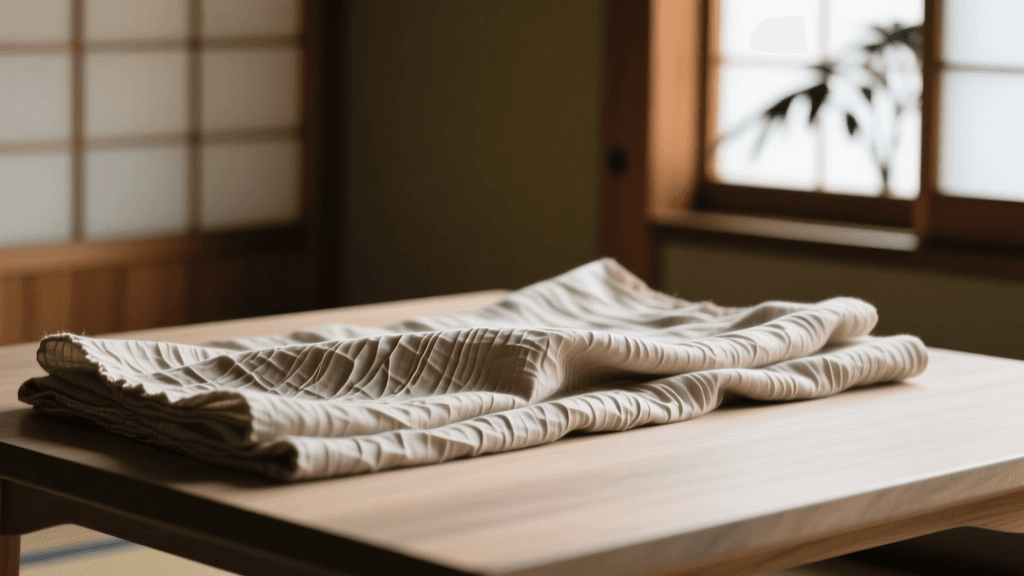
When exploring the rich tapestry of Asian traditions, few garments command as much reverence as the Japanese kimono. However, the true artistry of the kimono lies not just in its silhouette, but in the meticulous craftsmanship of its textiles. Before a kimono is ever cut or sewn, it begins as a tanmono—a standard bolt of fabric. Understanding the tanmono is crucial for any collector, enthusiast, or tailor. A traditional kimono bolt measures approximately 36 centimeters (14 inches) in width and 12 meters (13 yards) in length. This specific dimension dictates the cutting pattern, ensuring that almost no fabric is wasted during the tailoring process, known as shitate.
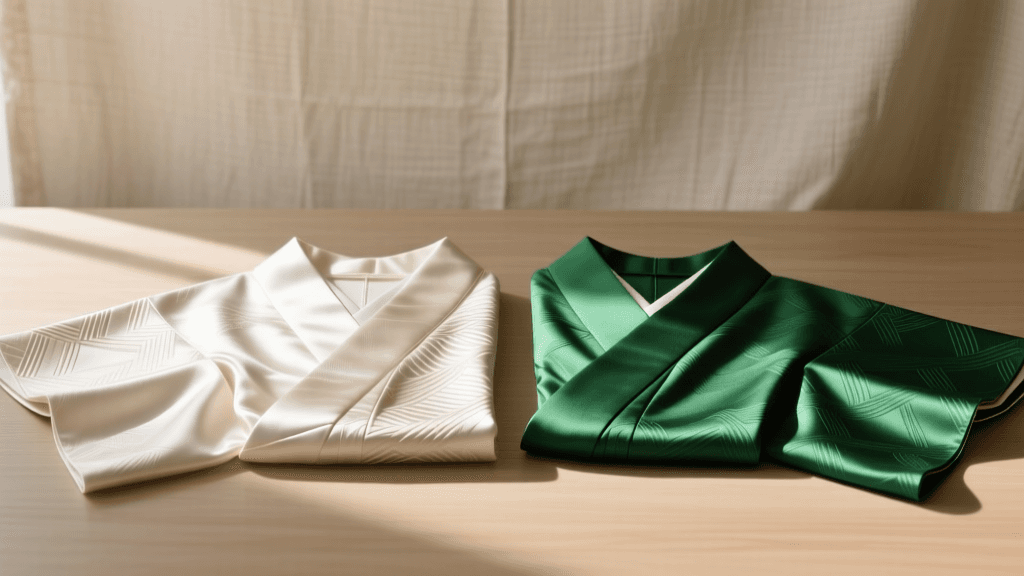
Among the myriad of textiles produced in Japan, two silk weaves stand out for their contrasting textures, histories, and applications: Tsumugi (pongee silk) and Chirimen (crepe silk). While both are derived from the fibers of the silkworm, their processing, weaving techniques, and final aesthetic outcomes are vastly different. According to the Metropolitan Museum of Art, the evolution of these distinct weaving techniques reflects Japan's historical socio-economic shifts, where sumptuary laws often dictated who could wear highly refined silks versus rustic, hand-spun textiles.
Tsumugi: The Rustic Elegance of Pongee Silk
Tsumugi is a type of pongee silk characterized by its slubbed, uneven texture and matte finish. Unlike the highly refined, glossy silks reserved for the aristocracy, Tsumugi was historically woven by farmers and peasants using silk waste, broken cocoons, or wild silk. The fibers are hand-spun, which retains the natural irregularities of the silk, resulting in a fabric that is breathable, durable, and possesses a profound, understated beauty known in Japanese aesthetics as wabi-sabi.
Craftsmanship and Regional Variations
The production of Tsumugi is incredibly labor-intensive. The silk floss is drawn out and twisted by hand, often using saliva to bind the fibers, before being dyed and woven on traditional looms. Two regional varieties are particularly celebrated:
- Yuki Tsumugi: Produced primarily in Ibaraki and Tochigi prefectures, Yuki Tsumugi is so culturally significant that it was inscribed on the UNESCO Representative List of the Intangible Cultural Heritage of Humanity. It is renowned for its extreme lightness, warmth, and intricate kasuri (ikat) patterns, which can take over a year to weave by hand.
- Oshima Tsumugi: Originating from Amami Oshima in Kagoshima prefecture, this variety is famous for its mud-dyeing process. The silk threads are dyed using the tannin-rich mud of the island, resulting in deep, rich browns and blacks that are highly resistant to fading.
Practical Guide: Cost, Formality, and Wear
Despite its humble origins, authentic hand-woven Tsumugi is now a luxury item. A genuine Yuki Tsumugi tanmono can cost anywhere from $5,000 to over $20,000, depending on the complexity of the kasuri pattern. In terms of formality, Tsumugi is strictly considered casual or everyday wear (fudangi). It is inappropriate for highly formal events like weddings or tea ceremonies, but it is the ultimate expression of refined, understated taste for gallery openings, theater visits, and upscale dining.
Chirimen: The Luxurious Drape of Crepe Silk
In stark contrast to the matte, structured feel of Tsumugi is Chirimen, a luxurious crepe silk known for its pebbled texture, brilliant sheen, and exquisite drape. Chirimen is the quintessential canvas for Japan's most elaborate dyeing techniques, including Yuzen and Edo Komon. If you have ever seen a vibrant, heavily patterned kimono with a soft, flowing silhouette, it was likely crafted from Chirimen.
The Science of the Crepe Twist and Yuzen Dyeing
The signature texture of Chirimen is achieved through a highly specialized twisting technique. While the warp threads are left relatively straight, the weft threads are twisted tightly—often up to 3,000 twists per meter. When the woven fabric is boiled and washed, the tension in the weft threads causes them to shrink and contract. This differential shrinkage forces the fabric to buckle slightly, creating the characteristic microscopic 'pebbles' or crepe effect on the surface.
This textured surface is not merely aesthetic; it serves a vital functional purpose. The tiny ridges and valleys of the crepe texture allow the fabric to absorb dyes deeply and evenly, making it the absolute best medium for Yuzen dyeing. The Victoria and Albert Museum highlights how the synergy between Chirimen silk and resist-dyeing techniques allowed artisans to paint pictorial, multi-colored designs directly onto the garment, transforming the kimono into a walking canvas.
Practical Guide: Cost, Drape, and Seasonality
Chirimen is generally more affordable than hand-spun Tsumugi, with standard bolts ranging from $300 to $1,200. However, heavily embroidered or hand-painted Yuzen Chirimen kimonos can easily exceed $5,000. Because of its excellent drape and ability to hold complex dye patterns, Chirimen is used for everything from semi-formal visiting wear (homongi) to formal furisode. It is a four-season fabric, though heavier weaves like oshima-chirimen are preferred for winter, while lighter, more porous weaves are chosen for summer.
Comparative Analysis: Tsumugi vs. Chirimen
Choosing between Tsumugi and Chirimen requires an understanding of their physical properties and social contexts. Below is a structured comparison to guide collectors and wearers.
| Feature | Tsumugi (Pongee) | Chirimen (Crepe) |
|---|---|---|
| Texture | Slubbed, uneven, matte, crisp | Pebbled, smooth, lustrous, soft |
| Drape | Structured, holds its shape | Fluid, heavy, flows with movement |
| Primary Dyeing | Kasuri (ikat), woven patterns | Yuzen, Edo Komon, surface painting |
| Formality Level | Casual / Everyday (Fudangi) | Semi-Formal to Highly Formal |
| Average Bolt Cost | $1,500 - $20,000+ | $300 - $1,500 |
| Wrinkle Resistance | Highly resistant to wrinkling | Prone to creasing, requires careful storage |
Practical Guide: Purchasing, Tailoring, and Costs
Acquiring a traditional silk kimono is an investment that extends beyond the purchase of the fabric. If you are buying a new tanmono to be tailored, you must factor in the cost and timing of shitate (tailoring).
Actionable Advice for Commissioning a Kimono
- Measurements: Unlike Western clothing, kimono measurements are based on your height and hip width. The length of the kimono should ideally match your height plus 20-30 centimeters to allow for the ohashori (the fold at the waist). Standard tanmono widths (36cm) limit the maximum hip size to about 100cm; wider custom bolts are required for larger frames and cost 20-30% more.
- Tailoring Costs: Hand-sewing (teshinui) is traditional and allows the garment to be easily disassembled for cleaning. Expect to pay between $250 and $600 for standard hand-tailoring. Machine sewing is cheaper ($100-$200) but is frowned upon for high-end silks like Yuki Tsumugi.
- Timing: A skilled artisan will take 4 to 8 weeks to complete the tailoring. If you are commissioning a kimono for a specific event, such as a coming-of-age ceremony or a wedding, you must purchase the fabric and submit your measurements at least 3 to 4 months in advance.
- Where to Buy: For authentic textiles, visit established wholesale districts like Nihonbashi in Tokyo or the Nishijin district in Kyoto. When buying online, request high-resolution macro photos of the weave to verify the slubs in Tsumugi or the twist in Chirimen.
Care, Storage, and Maintenance
Proper maintenance is critical to preserving the structural integrity and value of silk kimono fabrics. The care routines for Tsumugi and Chirimen differ slightly due to their distinct physical properties.
'A kimono is not merely a garment; it is a living archive of the artisan's hands. How you fold it today determines how it will breathe tomorrow.' — Traditional Kyoto Shitate Proverb
Folding and Storage: Kimono must never be hung on Western hangers, as the weight of the silk will distort the shoulders and stretch the fabric. They must be folded along their original seam lines into a rectangular shape and stored flat in a specialized paper envelope called a tatoshi. Chirimen, being highly susceptible to permanent creasing, should be refolded along slightly different lines every few months to prevent stress fractures in the silk threads.
Cleaning: Never wash silk kimono at home. They require maru-arai, a specialized dry-cleaning process where the garment is entirely disassembled into its constituent panels, washed, stretched, and re-sewn. This process costs between $150 and $300 and should only be done every 5 to 10 years unless heavily soiled. For minor stains on Chirimen, spot-cleaning by a certified some-ya (dye and wash specialist) is recommended to prevent water rings on the lustrous crepe surface.
Whether you are drawn to the rustic, historical depth of Tsumugi or the vibrant, fluid elegance of Chirimen, understanding the craftsmanship behind these silk weaves deepens the appreciation of Japanese textile arts. By respecting the materials, investing in proper tailoring, and adhering to meticulous storage practices, you ensure that these masterpieces of Asian tradition endure for generations to come.