Kimono Life Stages 2026: Milestone Guide & Rental Costs
The Living Calendar of Japanese Tradition
The kimono is far more than a static artifact of Japanese history; it is a living, breathing garment that evolves alongside the wearer. In 2026, the intersection of heritage preservation, sustainable textile innovation, and modern styling has profoundly reshaped how families approach traditional life milestones. From the playful, vibrant fabrics of childhood to the solemn, structured silks of later life, the kimono serves as a wearable calendar of personal and cultural evolution. For both locals and international enthusiasts engaging with Japanese culture, understanding the specific garments, etiquette, and costs associated with these milestones is essential. This comprehensive guide explores the kimono's role across different life stages in 2026, offering actionable advice on rentals, purchases, and contemporary trends.
Childhood Milestones: Shichi-Go-San (Ages 3, 5, and 7)
Shichi-Go-San (literally "Seven-Five-Three") is a quintessential Japanese rite of passage held annually on November 15th. It celebrates the growth and well-being of children at the ages of three, five, and seven. According to cultural archives maintained by the Agency for Cultural Affairs, these specific ages were historically considered critical developmental thresholds where spiritual protection was most needed.
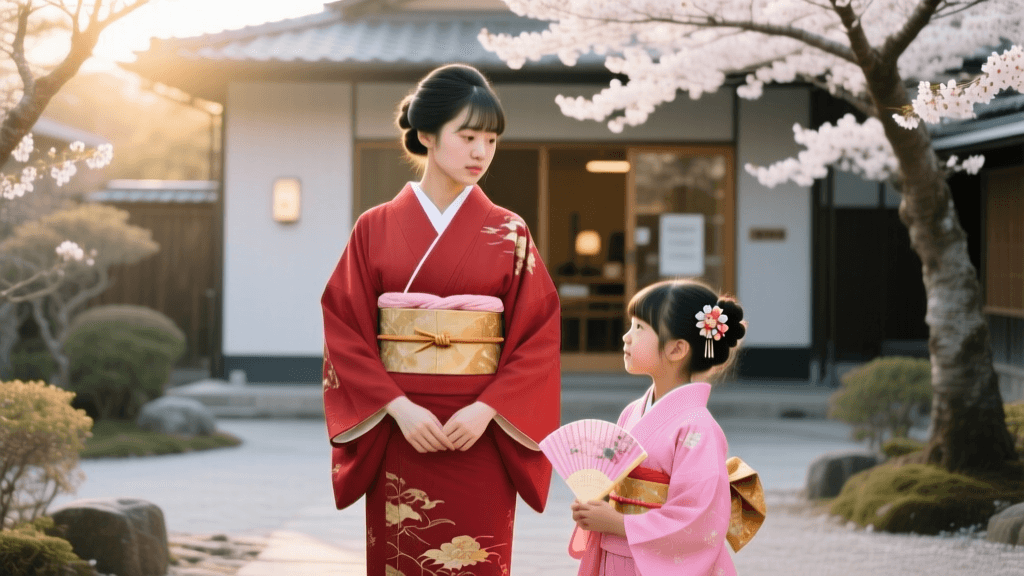
For three-year-old girls, the garment of choice is often a bright, patterned kimono worn with a hifu—a padded, sleeveless vest that adds a layer of cute formality while making the garment easier to secure on a toddler. Five-year-old boys traditionally don their first hakama (pleated trousers) over a kimono, often accompanied by a haori (jacket) bearing the family crest. Seven-year-old girls transition to a more structured kimono, tying a traditional obi sash instead of the simpler cords used at age three.
2026 Trend & Actionable Advice: In 2026, parents are increasingly gravitating toward "washable silk" and high-tech synthetic blends for children's Shichi-Go-San wear. These modern textiles mimic the luxurious drape and light-catching qualities of traditional chirimen (silk crepe) but can withstand the unpredictable movements and potential spills of young children. If you are planning a Shichi-Go-San photoshoot or shrine visit in Tokyo or Kyoto, booking your rental package by early July is critical. Popular boutique studios now offer integrated hair, makeup, and photography packages starting at ¥45,000 ($310 USD), reflecting a 10% increase from previous years due to high domestic tourism demand.
Coming of Age: Seijin-shiki (Age 20)
Seijin no Hi (Coming of Age Day) is held on the second Monday of January, marking the transition into adulthood. It is arguably the most visually spectacular kimono event on the Japanese calendar. Young women wear the furisode, characterized by its dramatically long, swinging sleeves that can measure up to 114 centimeters in length. The long sleeves are historically symbolic of warding off evil spirits and expressing unmarried status.
Young men traditionally wear a dark kimono with a striped hakama and a crested haori, though 2026 has seen a massive surge in men experimenting with bold, colorful silk jacquards and modern tailoring.
2026 Trend & Actionable Advice: As noted in recent cultural reporting by The Japan Times, Gen Z celebrants are driving a renaissance of "Taisho Roman" aesthetics. This style blends early 20th-century vintage motifs with contemporary accessories, such as lace eri (collars), velvet haori, and obi sashes adorned with 3D floral embellishments. For a high-quality furisode rental in 2026, expect to pay between ¥35,000 and ¥65,000 ($240 to $450 USD). To secure sought-after vintage Taisho Roman pieces, reservations must be made at least eight months in advance, often immediately following the previous year's ceremony.
Weddings: Shiromuku, Irouchikake, and Montsuki Hakama
The traditional Japanese wedding is a masterclass in textile opulence. The bride typically changes outfits multiple times throughout the day. The ceremony usually begins with the shiromuku, an entirely white ensemble symbolizing purity and the bride's willingness to be "dyed" into her new family's traditions. This is followed by the irochikake, a vibrantly colored, heavily padded outer robe featuring intricate embroidery of cranes, pine trees, and gold leaf.
The groom wears the montsuki hakama, a formal black silk kimono bearing five family crests, paired with a stiff, pleated hakama and a white haori.
2026 Trend & Actionable Advice: Sustainability is the defining theme for 2026 bridal kimono trends. Many high-end rental salons now offer "upcycled antique" irouchikake, where Meiji and Taisho-era garments are meticulously restored and paired with modern, lightweight under-kimonos to reduce the physical burden on the bride. A comprehensive bridal kimono package (including dressing, accessories, and hair) averages ¥250,000 to ¥400,000 ($1,750 to $2,800 USD) in 2026. For destination weddings in Kyoto, couples must secure their salon and dressing artist at least a year in advance, as certified kitsuke (dressing) professionals are in high demand.
Later Life: Kanreki (Age 60) and Beyond
As individuals enter their later years, the kimono reflects a shift toward elegance, comfort, and profound cultural symbolism. The Kanreki celebration marks a person's 60th birthday, which corresponds to the completion of one full cycle of the traditional sexagenary calendar. The traditional color for Kanreki is red, symbolizing rebirth and vitality. While a full red kimono is rare, celebrants often wear a red chanchanko (a padded, sleeveless vest) over a sophisticated, subdued kimono, or incorporate red into their obi and obijime (sash cord).
Subsequent milestones include Koki (70th), Kiju (77th), and Sanju (90th). For these events, older adults favor tsumugi (pongee silk) or edokomon (fine micro-patterns), which offer a refined, understated luxury that is comfortable for all-day wear.
Mofuku (Mourning Attire): It is also vital to acknowledge mofuku, the formal mourning kimono. Worn for funerals and memorial services, it consists of plain black silk with five family crests, a black obi, and black accessories. In 2026, while Western black suits are common, traditional mofuku remains a strict requirement for immediate family members in formal Buddhist and Shinto funerary rites. The Japan National Tourism Organization (JNTO) provides excellent cultural primers for international visitors on navigating funeral etiquette and the respectful observation of these solemn traditions.
2026 Milestone Kimono Cost & Booking Matrix
To help you plan and budget for these significant life events, we have compiled a comprehensive comparison matrix reflecting the 2026 market rates in major metropolitan areas like Tokyo, Kyoto, and Osaka.
| Milestone | Primary Garment | 2026 Avg. Rental (USD) | 2026 Avg. Purchase (USD) | Lead Time |
|---|---|---|---|---|
| Shichi-Go-San | Hifu / Hakama | $200 - $350 | $600 - $1,200 | 4 Months |
| Seijin-shiki | Furisode / Hakama | $240 - $450 | $1,500 - $5,000+ | 8 Months |
| Wedding (Bride) | Shiromuku / Irouchikake | $1,750 - $2,800 | $10,000 - $30,000+ | 12 Months |
| Kanreki (60th) | Edokomon / Tsumugi | $100 - $250 | $800 - $3,500 | 2 Months |
Practical Tips for 2026 Kimono Dressing (Kitsuke)
Wearing a kimono is a deeply sensory experience that requires specific undergarments and techniques. In 2026, the kitsuke (dressing) process has been modernized for comfort without sacrificing traditional silhouettes.
- Modern Padding and Silhouette: The traditional kimono requires a cylindrical body shape. Modern dressing utilizes specialized foam pads (body padding) and wrap-around towels to smooth the waist and hips, replacing the heavy, restrictive cotton wraps of the past.
- The Foundation: The juban (under-kimono) is critical. In 2026, moisture-wicking, breathable synthetic juban are preferred for summer or heavily layered winter weddings, ensuring the wearer remains comfortable. The eri (collar) of the juban must be perfectly aligned, showing exactly one centimeter of white or red fabric at the nape of the neck.
- Footwear: Tabi (split-toe socks) and zori (formal sandals) are non-negotiable. For milestone events, white tabi are standard. Ensure your zori are sized correctly; in traditional styling, the heel should slightly overhang the back of the sandal by about one centimeter.
Wearing a kimono is not merely about putting on clothes; it is about stepping into a posture of mindfulness, honoring the artisans who wove the silk, and carrying the weight of generations.
Beyond the visual, the kimono engages the senses. The faint scent of camphor from the wooden storage chests (tansu), the crisp rustle of silk crepe, and the grounding, restrictive posture enforced by the tightly bound obi all contribute to a mindful, almost Zen-like presence required when wearing formal Japanese attire.
Conclusion
As we navigate 2026, the kimono remains a vital, breathing element of Japanese culture. Whether it is the joyful chaos of a toddler's Shichi-Go-San celebration, the proud strut of a young adult in a Taisho Roman furisode, or the quiet dignity of a Kanreki celebration, these garments map the human experience. By understanding the nuances of each life stage, respecting the etiquette, and leveraging modern rental and sustainable options, anyone can participate in this beautiful, enduring tradition with confidence and grace.