Kimono Meditation: Mindful Dressing & Zen Practices 2026
The Intersection of Zen and Kitsuke in 2026
As the global wellness landscape evolves in 2026, practitioners are increasingly turning away from digital mindfulness apps and toward somatic, tactile traditions. Among the most profound of these is the integration of Zen meditation with the traditional Japanese art of kimono dressing, known as kitsuke. Far from being a mere fashion statement or a rigid historical costume, the kimono serves as a powerful tool for grounding, proprioceptive awareness, and moving meditation. In 2026, wellness retreats across Kyoto, Kamakura, and international Zen centers are adopting mindful dressing as a core component of their morning zazen (seated meditation) routines, recognizing that the physical act of wrapping the body in layered textiles can quiet the nervous system and prepare the mind for deep spiritual inquiry.
The Philosophy of Mindful Dressing
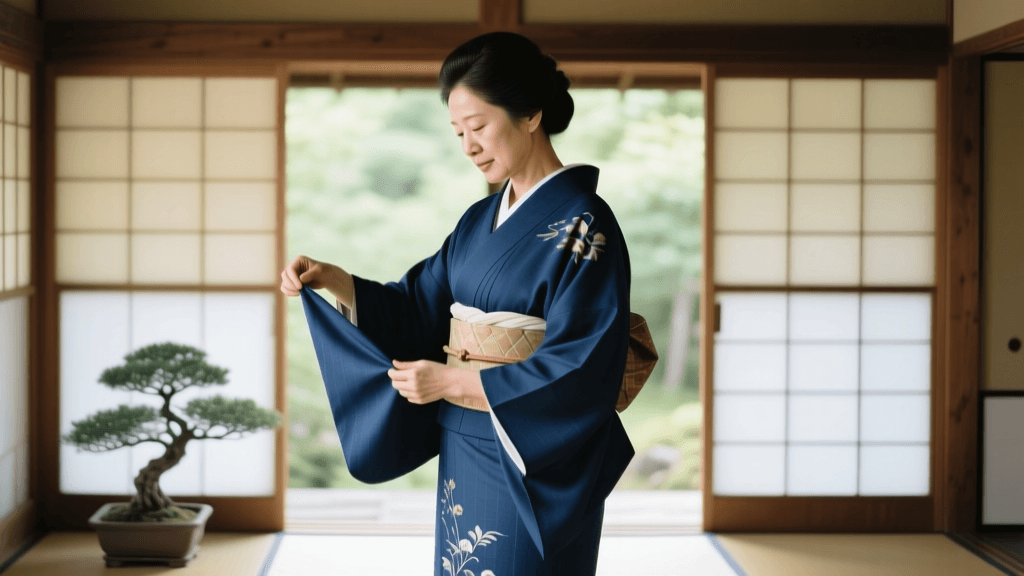
The intersection of Zen spirituality and Japanese garment culture is deeply rooted in the concept of ma (negative space) and shibui (subtle, unobtrusive beauty). When you don a kimono, you are not merely covering the body; you are engaging in a deliberate architectural process of wrapping, folding, and tying. This process demands absolute presence. According to the Metropolitan Museum of Art's Heilbrunn Timeline of Art History, the kimono is not merely a garment but a canvas of cultural expression that dictates posture, movement, and spatial awareness. In a Zen context, this translates to a heightened state of mindfulness. Every fold of the fabric, every adjustment of the collar, and every pull of the silk tie becomes a focal point for meditation, anchoring the practitioner in the present moment and dissolving the boundary between the physical self and the surrounding environment.
Sensory Grounding Through Traditional Textiles
The tactile experience of wearing a kimono provides immediate sensory grounding, a technique highly valued in modern 2026 somatic therapy. The weight, texture, and temperature of the fabric serve as continuous anchors for the wandering mind. For winter meditation, practitioners often select tsumugi (pongee silk) or heavy wool blends. The slight nubbiness and substantial weight of tsumugi provide deep pressure stimulation, similar to a weighted blanket, which naturally lowers cortisol levels and promotes a state of calm. Conversely, for summer kinhin (walking meditation), the focus shifts to ro and sha—traditional woven gauze fabrics. The crisp, breathable nature of these textiles allows the practitioner to feel the subtle shifts in air currents against the skin, turning the simple act of breathing into a tangible, sensory experience. By consciously selecting textiles that align with the season and the specific meditation practice, the garment becomes an extension of the natural world, reinforcing the Zen principle of interconnectedness.
A Step-by-Step Guide to Mindful Kimono Draping
To transform the act of dressing into a formal Zen practice, one must approach kitsuke with the same reverence as the tea ceremony. Zen arts, as detailed by cultural authorities like Japan Guide's overview of traditional Zen arts, emphasize that the preparation is just as vital as the execution. Below is a mindful approach to draping the kimono for meditation.
Step 1: Centering and the Juban
Begin in a seated seiza position. Take five deep, diaphragmatic breaths before touching the fabric. Pick up the juban (undergarment) and slide your arms through the sleeves. As you do, synchronize your movements with your breath: inhale as you lift the garment, exhale as you settle it onto your shoulders. Align the back seam perfectly with your spine, visualizing your own spinal column lengthening and aligning with the earth's energy.
Step 2: Wrapping the Main Garment
Drape the main kimono over the juban. Grasp the collar edges and bring them together at the front. Mindfully wrap the left side over the right side (the right-over-left configuration is strictly reserved for dressing the deceased). As you smooth the fabric down your torso, use the palms of your hands to press gently against your hips and thighs, feeling the boundary between your body and the silk. This tactile confirmation reinforces your physical presence in the room.
Step 3: Tying the Koshihimo with Breathwork
The koshihimo (waist ties) secure the garment. Take the first tie and wrap it around your waist. As you pull the tie taut, exhale slowly through the mouth, engaging your core muscles. The tension of the tie should be firm but not restrictive, serving as a gentle reminder to maintain upright posture during zazen. Tie the knot at the front with deliberate, unhurried movements, treating the cotton or silk cord as a rosary or mala.
Step 4: The Obi as a Core Anchor
For meditation, a formal, heavily brocaded maru obi is too restrictive. Instead, practitioners in 2026 favor a soft, woven hakata obi or a simple cotton heko obi. Wrap the obi around your lower back and abdomen. The abdomen, or hara, is considered the center of spiritual gravity in Zen. Securing the obi over this area provides physical support for the lower back during long sitting sessions and serves as a continuous physical cue to breathe deeply into the belly.
Comparison Chart: Garments for Zen Practice
Choosing the right garment is essential for maintaining comfort and focus during meditation. The following table compares the most common traditional garments used in Zen practice in 2026.
| Garment Type | Material & Weight | Breathability | Mindfulness Factor | Best Use Case |
|---|---|---|---|---|
| Samue | Cotton/Linen Blend, Lightweight | High | Moderate (Functional focus) | Temple chores, walking meditation, informal retreats |
| Yukata | 100% Cotton, Medium Weight | High | High (Sensory grounding) | Summer zazen, evening mindfulness sessions |
| Tsumugi Kimono | Pongee Silk/Wool, Heavy | Low | Very High (Deep pressure) | Winter zazen, formal ceremonial meditation |
| Ro/Sha Kimono | Woven Silk Gauze, Lightweight | Very High | High (Airflow awareness) | Hot weather kinhin, breath-focused meditation |
Modern Zen Retreats and Mindful Dressing in 2026
The integration of kitsuke into spiritual retreats has seen a remarkable surge in 2026. According to the Japan National Tourism Organization, there is a growing demographic of international travelers seeking immersive, slow-living experiences that combine traditional crafts with mental health and wellness. Temples in Kyoto, such as Shunkoin and Kennin-ji, now offer specialized morning programs where guests are guided through the meditative process of dressing in provided kimono before entering the meditation hall. These sessions are led by both Zen monks and certified kitsuke instructors who frame the dressing process as a prelude to zazen. By the time the practitioner sits on the zafu (meditation cushion), the mind is already settled, having been guided into a state of flow through the rhythmic, intentional handling of the garment.
Caring for Your Kimono as a Mindful Practice
The mindfulness associated with the kimono does not end when the garment is removed. The traditional method of folding the kimono, known as tatami, is a meditative practice in its own right. Unlike Western clothing, which is often haphazardly tossed into drawers, a kimono is folded along precise, geometric lines dictated by its seam construction. In 2026, sustainable fashion advocates and Zen practitioners alike emphasize the importance of garment care as an act of gratitude and respect for the materials and the artisans who created them. Airing out the silk, gently brushing away dust, and executing the precise folds of tatami requires the same focused attention as sweeping the temple grounds. It is a practice of closing the loop, honoring the time spent in meditation, and preparing the garment for its next use.
Conclusion
The fusion of kimono dressing and Zen spirituality offers a profound antidote to the fast-paced, disembodied nature of modern life. By treating kitsuke not as a chore or a performance, but as a deliberate, sensory-rich meditation, practitioners in 2026 are rediscovering the deep spiritual resonance of traditional Asian garments. Whether you are wrapping yourself in the heavy, grounding folds of winter tsumugi or the airy, breath-conscious layers of summer ro, the kimono becomes a portable sanctuary—a woven boundary that protects your inner stillness and connects you to centuries of mindful tradition.