Top Hanfu Styles for Qigong and Meditation in 2026
The Intersection of Hanfu and Chinese Wellness in 2026
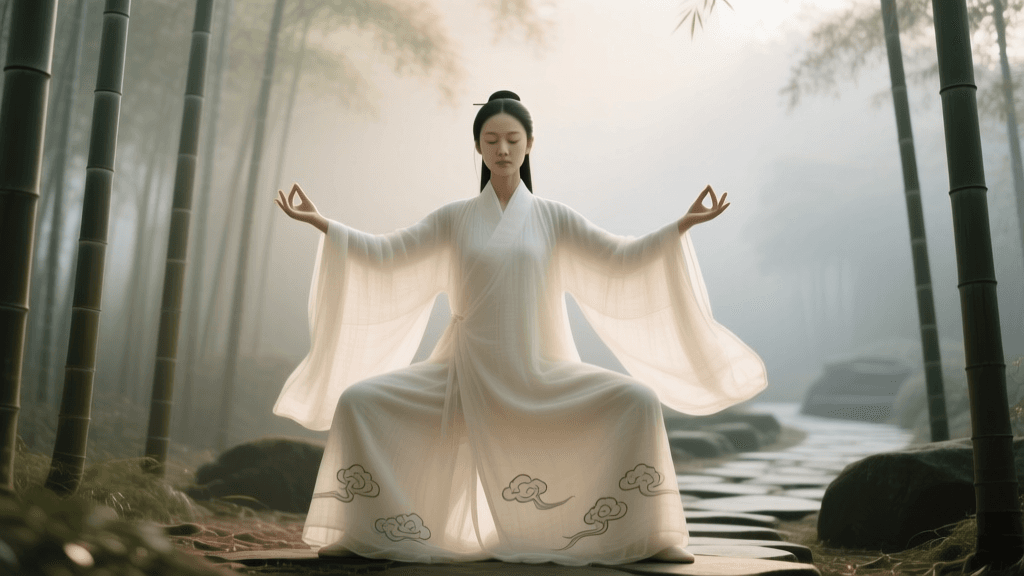
In recent years, the global wellness industry has experienced a profound shift toward holistic, culturally rooted practices. As we navigate the wellness landscape of 2026, the integration of traditional Chinese clothing—specifically Hanfu—with mindfulness practices like Qigong and meditation has moved from a niche interest to a mainstream lifestyle choice. Practitioners are increasingly recognizing that what we wear during our spiritual and physical routines deeply impacts our mental state and energy flow.
The concept of 'enclothed cognition' suggests that the clothes we wear influence our psychological processes. When you don a traditional Hanfu garment, you are not merely putting on fabric; you are stepping into a lineage of intentionality, reverence, and harmony with nature. According to mindfulness research highlighted by Harvard Health Publishing, establishing a dedicated ritual—including specific attire—can significantly deepen meditative states by signaling to the brain that it is time to transition from the chaos of daily life into a space of internal focus.
But beyond the psychological benefits, the physical construction of Hanfu offers distinct advantages for the moving meditation of Qigong. Unlike modern Western activewear, which relies on compression and synthetic elastane to support muscles, traditional Hanfu utilizes a flat-pattern cutting method (平面裁剪). This technique avoids darts, tight seams, and restrictive waistbands, allowing for the unimpeded flow of Qi (vital energy) through the body's meridian system.
Why Fabric Choice Matters for Energy Flow
The National Qigong Association emphasizes that Qigong practice requires a relaxed body and an unobstructed mind to cultivate and balance life force energy. In 2026, the market for wellness-focused Hanfu has prioritized natural, breathable fibers that regulate body temperature and prevent the stagnation of sweat and heat, which can disrupt the body's energetic balance.
- Organic Ramie (Xia Bu): Known as 'Chinese linen,' ramie is highly prized for summer Qigong. It possesses natural antibacterial properties and a crisp drape that keeps the fabric away from the skin, allowing air to circulate around the meridians.
- Bamboo-Silk Blends: A major innovation in the 2026 eco-textile market, these blends offer the thermoregulating softness of bamboo with the luxurious, frictionless glide of peace silk, making them ideal for seated meditation.
- Washed Cotton and Linen: For cooler morning routines, heavyweight washed linen provides a grounding weight that helps practitioners feel rooted to the earth during standing postures like Zhan Zhuang.
Top Hanfu Silhouettes for Qigong and Meditation
Choosing the right silhouette is crucial. The garment must accommodate deep stances, wide arm sweeps, and prolonged periods of stillness without bunching or pulling.
1. Song Dynasty Beizi (褙子) for Unrestricted Movement
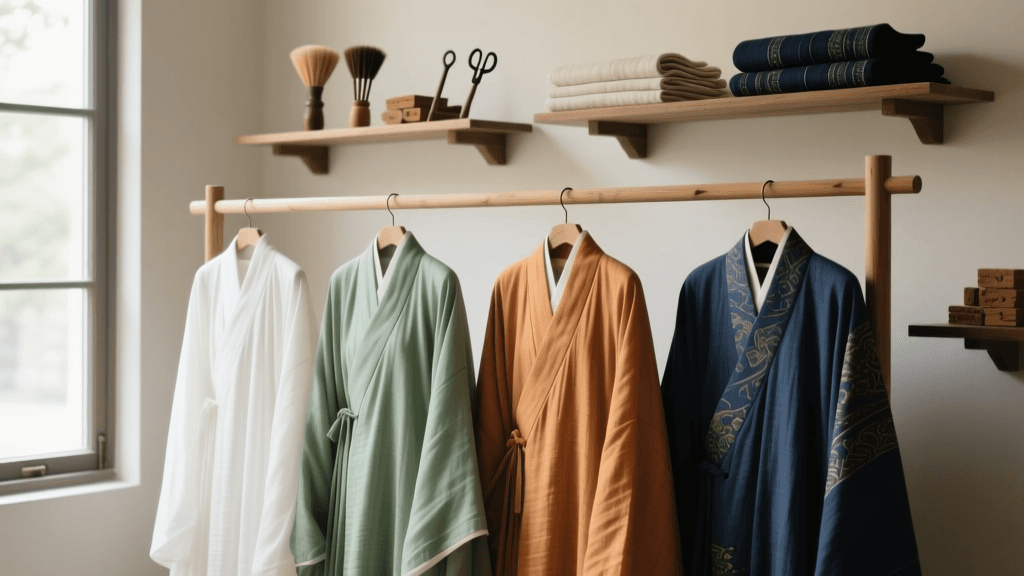
The Beizi is a parallel-collar, open-front jacket that was popularized during the Song Dynasty. Its defining feature for wellness practitioners is the deep side slits that start from the underarm or waist. When performing dynamic Qigong forms such as 'Parting the Wild Horse's Mane' or 'Cloud Hands,' the Beizi moves fluidly with the body. The side slits ensure that when you raise your arms or sink into a low Horse Stance (Ma Bu), the fabric does not pull upward or restrict the hips and shoulders. In 2026, modern heritage brands are offering Beizi crafted from lightweight Tencel-linen blends, providing the historical silhouette with modern eco-friendly durability.
2. Ming Dynasty Daopao (道袍) for Grounding and Warmth
Despite its name, which translates to 'Taoist Robe,' the Daopao was a widely worn everyday garment for men and women during the Ming Dynasty. It features a crossed collar and wide sleeves, but its secret weapon for Qigong is the hidden inner pendulum (暗摆). These side panels allow for extreme leg mobility while maintaining modesty and preventing cold drafts from reaching the lower back and kidneys—an area considered the reservoir of vital energy (Jing) in Traditional Chinese Medicine. For morning outdoor Qigong in autumn or winter, a layered cotton Daopao provides exceptional warmth without the bulk of modern winter gear.
3. Wei Jin Dynasty Wide-Sleeved Robes for Deep Meditation
For seated meditation, the Wei Jin aesthetic of flowing, oversized sleeves and loose, draped skirts is unparalleled. The voluminous fabric acts as a sensory deprivation tool, softly enveloping the body and creating a micro-environment of warmth and security. When seated in the lotus or half-lotus position, the wide sleeves can be draped over the knees, acting as a natural meditation shawl that keeps the joints warm, which is essential for maintaining prolonged stillness.
2026 Hanfu Wellness Wardrobe Comparison Chart
To help you select the perfect garment for your specific practice, we have compiled a comparison of the top wellness-focused Hanfu styles available in the 2026 market.
| Silhouette | Dynasty Origin | Best Practice Match | Recommended 2026 Fabric | Avg. Price Range (USD) |
|---|---|---|---|---|
| Beizi (褙子) | Song | Dynamic Qigong, Tai Chi | Organic Ramie, Tencel-Linen | $65 - $120 |
| Daopao (道袍) | Ming | Standing Meditation (Zhan Zhuang) | Washed Cotton, Heavy Linen | $90 - $160 |
| Daxiushan (大袖衫) | Wei Jin / Tang | Seated Mindfulness, Breathwork | Bamboo-Silk, Ahimsa Silk | $110 - $200 |
| Jiaoling Pao (交领袍) | Han / Tang | Walking Meditation, Nature Hikes | Hemp Blends, Natural Indigo Dyed | $80 - $140 |
How to Dress for a Morning Qigong Routine
Building a functional Hanfu wellness wardrobe requires thoughtful layering. The traditional approach to layering aligns perfectly with the principles of thermoregulation and energy preservation.
'In Traditional Chinese Medicine, the neck and the lower back are considered highly vulnerable to 'wind' and 'cold' pathogens. Proper Hanfu layering naturally protects these vital areas during the transition from active movement to deep stillness.' - National Center for Complementary and Integrative Health (NCCIH)
Step 1: The Base Layer. Begin with a modern, breathable bamboo-fiber undershirt or a traditional Mo Xiong (chest wrap) made of soft, unbleached cotton. This layer absorbs perspiration and protects the outer Hanfu garments from body oils.
Step 2: The Lower Body. Opt for traditional Ku (trousers) made of loose-woven linen. Unlike modern leggings, these trousers feature a wide gusset and a drawstring waist, allowing for deep, unimpeded squats and wide stances. The loose fit ensures that the meridians running down the legs are not compressed.
Step 3: The Outer Robe. Secure your chosen Beizi or Daopao with a simple woven sash. Avoid tightly cinching the waist; the sash should rest gently on the hips or lower waist to keep the garment in place without restricting diaphragmatic breathing, which is the foundation of Qigong breathwork.
Step 4: Footwear. In 2026, many practitioners have returned to traditional 'thousand-layer sole' cloth shoes. These flat, flexible shoes allow the foot to articulate naturally and maintain a strong energetic connection with the ground, unlike thick-soled modern running shoes that disconnect the practitioner from the earth's surface.
Sourcing Authentic, Wellness-Focused Hanfu
As the demand for mindful living grows, the 2026 Hanfu market has seen a surge in brands dedicated specifically to the wellness demographic. When shopping for Qigong and meditation garments, prioritize vendors that utilize natural, plant-based dyes such as indigo, tea, and lotus. Synthetic chemical dyes can sometimes cause micro-irritations on the skin, which can be distracting during deep states of meditation.
Look for sellers who provide detailed garment measurements, specifically the 'hem circumference' and 'sleeve width.' For Qigong, a hem circumference of at least 160cm to 180cm is recommended to ensure the fabric does not pull tight across the thighs during wide stances. Furthermore, seek out brands that emphasize traditional flat-pattern cutting, as this is the structural secret to the garment's unparalleled freedom of movement.
Conclusion
The integration of Hanfu into Qigong and meditation practices represents a beautiful synthesis of external aesthetics and internal cultivation. By choosing garments that respect the body's natural mechanics, utilize breathable, earth-derived fibers, and carry the weight of historical intention, practitioners in 2026 are finding deeper, more profound connections to their wellness routines. Whether you are flowing through a dynamic Tai Chi sequence in a Song Dynasty Beizi or sitting in silent meditation enveloped in Wei Jin silk, the right traditional garment becomes not just clothing, but a vital partner in your journey toward holistic harmony.