Kimono Milestones 2026: Dressing For Every Life Stage
The Enduring Legacy of the Kimono in 2026
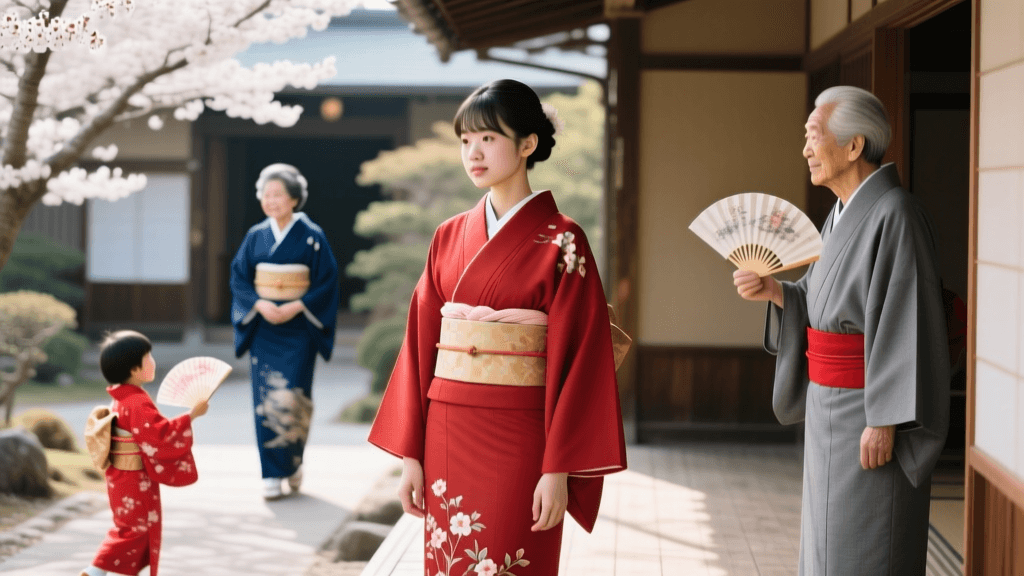
In Japan, the kimono is far more than a beautiful garment; it is a living calendar of human life. From the tender years of early childhood to the wisdom of one's twilight years, traditional Japanese clothing marks the passage of time, signifying growth, responsibility, and celebration. As we navigate 2026, the kimono industry has brilliantly adapted to modern sensibilities while fiercely protecting its ancestral roots. Today, sustainable silk practices, digital AR fitting technologies, and a resurgence of vintage Taisho-era styling coexist with centuries-old weaving techniques like Nishijin-ori and Kaga Yuzen.
Whether you are a cultural enthusiast, a traveler planning a visit to Japan, or someone of Japanese heritage looking to honor your roots, understanding the sartorial rules of these milestones is essential. According to the Japan National Tourism Organization (JNTO), traditional festivals and life-cycle ceremonies remain a cornerstone of Japanese cultural identity, drawing millions of participants and observers annually. Let us explore the definitive guide to kimono life stages and age milestones in 2026.
Shichi-Go-San: The First Milestones (Ages 3, 5, and 7)
Held annually on November 15th, Shichi-Go-San (literally 'Seven-Five-Three') is a rite of passage for young children. Historically, child mortality was high, and reaching these specific ages was considered a blessing worthy of a shrine visit. In 2026, families still flock to shrines like Meiji Jingu in Tokyo or Kiyomizu-dera in Kyoto to pray for their children's health and longevity.
Age 3: The Hifu Vest
At age three, both boys and girls traditionally wear kimono, though today it is predominantly girls who observe this milestone. Three-year-old girls wear a standard silk kimono paired with a hifu—a soft, padded, sleeveless vest. The hifu is designed to hide the obi (sash), as young children cannot endure the tight binding of a traditional knot. In 2026, rental shops offer lightweight, breathable synthetic blends alongside traditional silk, ensuring toddlers remain comfortable during long shrine ceremonies.
Age 5: The First Hakama
Five-year-old boys celebrate by wearing their first hakama (pleated trousers) over a kimono, often accompanied by a haori (jacket) adorned with the family crest (kamon). The styling mimics adult samurai formalwear, symbolizing the boy's first step into societal roles.
Age 7: The First Obi
At age seven, girls transition from the simple hifu to wearing a proper, tied obi. This milestone, known as obi-toki, marks her initiation into the more structured world of female dress. The kimono features vibrant, child-friendly motifs like rabbits, flowers, and traditional toys. Modern 2026 trends see a heavy preference for 'retro-modern' patterns, blending antique floral geometrics with contemporary pastel palettes.
Seijin-no-Hi: Coming of Age (Age 20)
Perhaps the most visually spectacular of all Japanese life milestones is Seijin-no-Hi (Coming of Age Day), held on the second Monday of January. A fascinating cultural nuance in 2026 is the preservation of the age-20 celebration. Although Japan legally lowered the age of adulthood to 18 in 2022, the vast majority of municipalities still hold the traditional ceremonies for 20-year-olds. This prevents clashes with high school and university entrance exams and preserves the deeply ingrained sartorial customs associated with the age of 20.
The Furisode: A Canvas of Youth
Young women celebrate by wearing the furisode, a formal kimono characterized by its dramatically long, swinging sleeves. The furisode is exclusively worn by unmarried women, making it the ultimate symbol of youth and eligibility. In 2026, the styling of the furisode has evolved. While classic Yuzen-dyed floral patterns remain popular, there is a massive surge in 'Taisho Roman' aesthetics—bold, contrasting colors, geometric patterns, and vintage lace collars (kasane-eri) layered beneath the kimono.
The obi for a furisode is typically a fukuro obi, tied in elaborate, sculptural knots like the fukura-suzume (puffed sparrow) or tateya (standing arrow). Professional kitsuke (kimono dressing) services are heavily booked months in advance, with 2026 premium rental packages averaging between ¥80,000 and ¥150,000, encompassing the garment, accessories, hair styling, and professional dressing.
Montsuki Hakama for Young Men
While many young men opt for Western suits in 2026, those who choose traditional attire wear a dark, formal kimono with five family crests (itsutsu-mon), paired with a striped sendaihira hakama and a black haori jacket. This ensemble, known as montsuki haori hakama, projects dignity and maturity.
Weddings: Union and Ancestry
Japanese wedding attire represents the pinnacle of kimono formality, often requiring garments that weigh upwards of 20 kilograms when fully layered. The Victoria and Albert Museum's Asian Collections frequently highlights the intricate metallurgy and embroidery of Japanese bridal wear, noting that these garments are less like clothing and more like wearable architecture.
Shiromuku and Iro-Uchikake
For the traditional Shinto ceremony, brides wear the shiromuku, an entirely white ensemble symbolizing purity and the bride's willingness to be 'dyed' in the colors of her new family. This includes a white kimono, white obi, and a wataboshi (white silk hood). For the reception, brides often change into an iro-uchikake—a heavily padded, brightly colored overgarment adorned with gold and silver thread embroidery depicting cranes, pine trees, and peonies, all symbols of longevity and prosperity.
The Groom's Attire
Grooms match the bride's formality by wearing a black, five-crested montsuki haori hakama. The hakama is often woven with subtle, auspicious patterns, and the haori cords (haori-himo) are crafted from pristine white silk. In 2026, bespoke weaving services in Kyoto allow grooms to integrate subtle, personalized motifs into the silk lining of their haori, blending ancient tradition with hyper-personalization.
Kanreki and the Later Years: The Red Rebirth
In the traditional Japanese sexagenary calendar, a person's 60th birthday marks the completion of a full zodiacal cycle. This milestone, known as Kanreki, is celebrated as a rebirth. The traditional color for Kanreki is red, believed to ward off evil spirits and restore youthful vitality.
While the stereotypical image of a Kanreki celebration involves wearing a red chanchanko (a padded, sleeveless vest) and a red boshi (cap), modern 60-year-olds in 2026 often prefer more sophisticated interpretations. Many opt for elegant, deep crimson or burgundy kimono, or incorporate red accessories like a high-quality silk obi or a red haneri (collar). As documented by the Kyoto City Official Travel Guide on Traditions, older generations are increasingly participating in kimono culture through refined, age-appropriate styling that favors subdued elegance (iki) over ostentatious display.
2026 Quick Reference Guide to Kimono Life Stages
| Life Stage Milestone | Typical Age | Primary Garment | Key Accessories | 2026 Avg. Rental Cost (JPY) |
|---|---|---|---|---|
| Shichi-Go-San (Girls) | 3, 7 | Kimono / Hifu | Zori sandals, Hako-seko (purse) | ¥12,000 - ¥20,000 |
| Shichi-Go-San (Boys) | 5 | Kimono / Hakama | Haori jacket, Fan | ¥10,000 - ¥18,000 |
| Seijin-no-Hi (Women) | 20 | Furisode | Fukuro obi, Shiori (shawl) | ¥80,000 - ¥150,000 |
| Seijin-no-Hi (Men) | 20 | Montsuki Hakama | Haori, Sendaihira hakama | ¥30,000 - ¥60,000 |
| Wedding (Bridal) | Varies | Shiromuku / Uchikake | Wataboshi, Kanzashi (hairpins) | ¥200,000 - ¥450,000 |
| Kanreki (Rebirth) | 60 | Red Kimono / Chanchanko | Red fan, Juban (undergarment) | ¥15,000 - ¥35,000 |
2026 Market Trends: Sourcing, Sustainability, and Technology
The kimono industry in 2026 is defined by a push toward sustainability and technological integration. With the high cost of new, hand-woven silk, the 'remake' and upcycling market has exploded. Vintage kimono from the Showa era are being professionally deconstructed, cleaned, and re-tailored to fit modern body types, allowing younger generations to wear family heirlooms with contemporary silhouettes.
Furthermore, Augmented Reality (AR) fitting mirrors are now standard in major rental boutiques in Tokyo and Kyoto. These mirrors allow clients to digitally 'try on' dozens of furisode and obi combinations in seconds, drastically reducing the physical fatigue of traditional dressing consultations. Eco-friendly Yuzen dyes derived from recycled botanicals are also gaining traction among master dyers in Kanazawa, ensuring that the vibrant colors of life-stage garments do not come at an environmental cost.
Conclusion
The kimono is not a relic trapped in a museum; it is a dynamic, breathing participant in the human experience. From the padded hifu of a three-year-old to the regal furisode of a twenty-year-old, and the dignified crimson silk of a sixtieth birthday, these garments map the journey of life. In 2026, as Japan balances its hyper-modern future with its profound historical roots, the traditions of kimono dressing remain a vibrant, essential thread in the fabric of Asian cultural heritage.