Kimono Mindfulness: Slow Fashion & Wellness Rituals for 2026
The Intersection of Kitsuke and Mental Wellbeing
In an era dominated by algorithmic trend cycles and digital overload, the global wellness movement of 2026 has increasingly turned toward ancient, tactile practices to ground the mind. Among the most profound of these is kitsuke, the traditional Japanese art of dressing in a kimono. Far from being a mere sartorial choice, kitsuke is a deliberate, multi-step moving meditation that demands presence, patience, and physical awareness. As the slow fashion movement matures in 2026, practitioners and wellness advocates alike are recognizing the kimono not just as a garment, but as a vital tool for mental health, sensory grounding, and sustainable living.
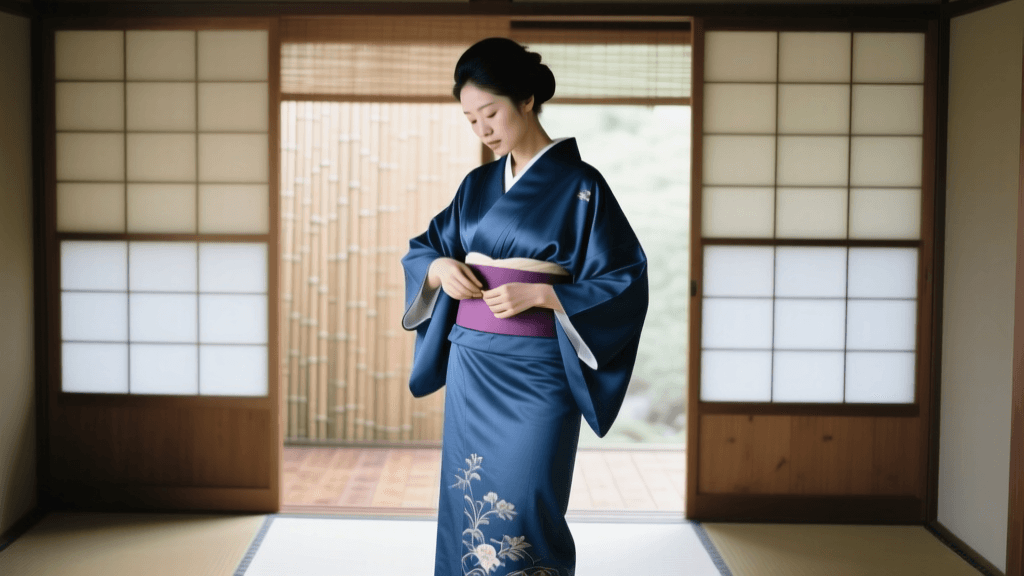
The act of wrapping oneself in layers of silk, cotton, and linen requires a quieting of the mind. Unlike modern Western clothing, which is often designed for rapid donning and removal, the kimono requires the wearer to engage with their body, their breath, and the textile itself. This intentional friction between the body and the garment creates a psychological threshold—a transition from the chaotic external world into a space of internal calm and cultural reverence.
The Slow Fashion Philosophy of the Kimono in 2026
As we navigate the fashion landscape of 2026, the environmental and psychological toll of fast fashion has never been more apparent. The United Nations Environment Programme (UNEP) continues to champion the Alliance for Sustainable Fashion, emphasizing the urgent need to shift toward circular economies and mindful consumption. The kimono embodies the ultimate slow fashion ethos: it is inherently modular, universally sized, and designed to outlive its original wearer by centuries.
A traditional kimono is constructed from a single bolt of fabric (a tanmono), cut into straight lines and sewn together without wasting a single scrap of textile. Because the seams are straight and the fabric is uncut, a kimono can be entirely disassembled, washed, re-dyed, and resewn. In 2026, sustainable fashion advocates are heavily promoting this "one garment, multiple lifetimes" philosophy. By investing in vintage, upcycled, or newly woven artisanal kimono, practitioners are actively rejecting the disposable clothing culture. This conscious consumption fosters a deeper psychological connection to the items we own, reducing the anxiety and clutter associated with hyper-consumerism.
Seasonal Awareness and Present-Moment Mindfulness
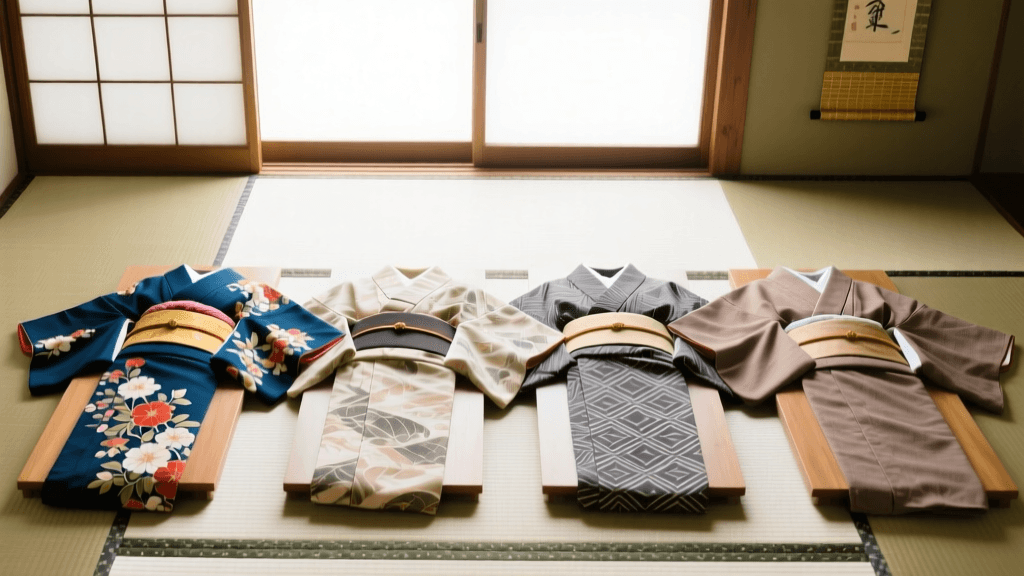
A core tenet of Japanese aesthetics is shun, the celebration of seasonal transience. When selecting a kimono for a mindful dressing ritual, the practitioner must observe the natural world. In early spring, one might choose a garment adorned with budding plum blossoms; in late autumn, the motifs shift to falling maple leaves or rushing streams. This requirement forces the wearer to step outside their internal preoccupations and observe the current environment.
Psychologists note that this practice of aligning one's outward appearance with the immediate natural world is a powerful form of grounding. It anchors the mind in the present moment, a key objective of mindfulness-based stress reduction (MBSR) therapies. According to the American Psychological Association (APA), mindfulness practices that engage the senses and connect individuals to their immediate surroundings significantly reduce rumination and lower cortisol levels. By physically wearing the current season, the kimono practitioner engages in a daily, wearable meditation.
Structuring Your Mindful Kimono Ritual
Transforming your morning routine into a mindful kitsuke session requires setting an intention and allocating uninterrupted time. In 2026, wellness retreats in Kyoto and global mindfulness centers have begun incorporating structured kitsuke sessions into their morning regimens. Below is a recommended framework for a mindful dressing ritual, designed to lower the heart rate and promote somatic awareness.
| Ritual Step | Garment / Tool | Duration | Mindful Focus & Breathing Technique |
|---|---|---|---|
| 1. Preparation | Hadajuban & Susoyoke | 3 mins | Focus on the sensation of bare skin meeting cotton. Inhale deeply, acknowledging the start of the transition. |
| 2. Alignment | Nagajuban & Kimono | 5 mins | Align the back seam (se-ita) with your spine. Exhale slowly as you smooth the fabric, visualizing the release of physical tension. |
| 3. Securing | Koshihimo & Datejime | 4 mins | Tie the under-sashes with firm, even pressure. Focus on the support around your core, breathing into the gentle compression. |
| 4. The Obi | Nagoya or Fukuro Obi | 8 mins | The most complex step. Move deliberately. Observe the weight, texture, and scent of the silk. Maintain a steady, rhythmic breath. |
| 5. Finishing | Obijime, Obiage & Tabi | 5 mins | Final adjustments. Stand tall, observe your posture in the mirror, and take three deep, centering breaths before stepping out. |
Physical Wellness: Posture, Core Engagement, and Grounding
The physical benefits of wearing a kimono are deeply intertwined with its mental health benefits. The construction of the garment, particularly the wrapping of the obi (sash) around the midsection, acts as a gentle but firm corset. This requires the wearer to engage their core muscles and maintain an upright, elongated spine. Slouching is physically restricted, which naturally corrects posture and alleviates the lower back pain associated with modern sedentary lifestyles.
Furthermore, the kimono restricts the stride, forcing the wearer to take smaller, more deliberate steps. This alteration in gait slows down the physical pace of the wearer, which in turn signals the parasympathetic nervous system to relax. The sensory input of the garments also plays a crucial role. The rustle of silk (known as kinu-zure), the weight of the fabric on the shoulders, and the snug fit of the tabi socks on the feet provide continuous, gentle proprioceptive feedback. This sensory grounding keeps the mind tethered to the body, preventing the anxiety-inducing dissociation that often accompanies high-stress environments.
The Mushiboshi Ritual: Mindful Garment Care
Wellness and slow fashion extend beyond the act of wearing the garment; they encompass how we care for our possessions. In Japanese tradition, mushiboshi is the annual or bi-annual ritual of airing out kimono to prevent moisture damage and insect infestation. In 2026, as digital fatigue peaks, mushiboshi has been reimagined as a profound digital detox exercise.
The process involves carefully untying the garments, unfolding them, and draping them over bamboo poles in a shaded, well-ventilated area. It is a tactile, slow process that requires handling fragile, historical textiles with immense respect. As you brush away dust and inspect the intricate dye work, you are practicing active gratitude for the artisans who wove, dyed, and sewed the fabric. The Metropolitan Museum of Art's extensive archives on Japanese dress and textile history highlight the immense labor and generational knowledge embedded in these garments. Acknowledging this history during the mushiboshi ritual transforms a mundane chore into an act of historical stewardship and mindful reflection.
Curating a Mindful Wardrobe: Sourcing in 2026
For those looking to begin their kimono mindfulness journey, sourcing garments ethically is paramount. The 2026 market for vintage kimono is robust, with numerous online platforms and physical antique markets (such as the famous Oedo Antique Market in Tokyo or specialized global vintage dealers) offering pre-loved silk garments at accessible price points. Purchasing vintage is the most sustainable option, as it requires zero new resources and rescues beautiful textiles from landfills.
When building a mindful wardrobe, start with the essentials: a high-quality, breathable cotton nagajuban (undergarment) for comfort, a versatile, unpatterned muji kimono that can be worn across multiple seasons, and a sturdy, easy-to-tie Nagoya obi. Avoid mass-produced, synthetic "costume" kimono, as the lack of breathability and poor drape will hinder the physical grounding necessary for the practice.
Conclusion: Wearing Your Intentions
The kimono is far more than a beautiful relic of the past; it is a living, breathing framework for mindfulness in the modern world. By embracing the slow, deliberate art of kitsuke, we can carve out a daily sanctuary of calm, improve our physical posture, and participate in a deeply sustainable fashion ecosystem. In 2026, as we continue to seek antidotes to the speed and superficiality of modern life, wrapping ourselves in the weight, history, and intentionality of the kimono offers a profound path back to ourselves. Whether you are tying your first koshihimo or performing your twentieth mushiboshi, remember that the true beauty of the garment lies not just in its silk threads, but in the quiet, centered mind of the one who wears it.