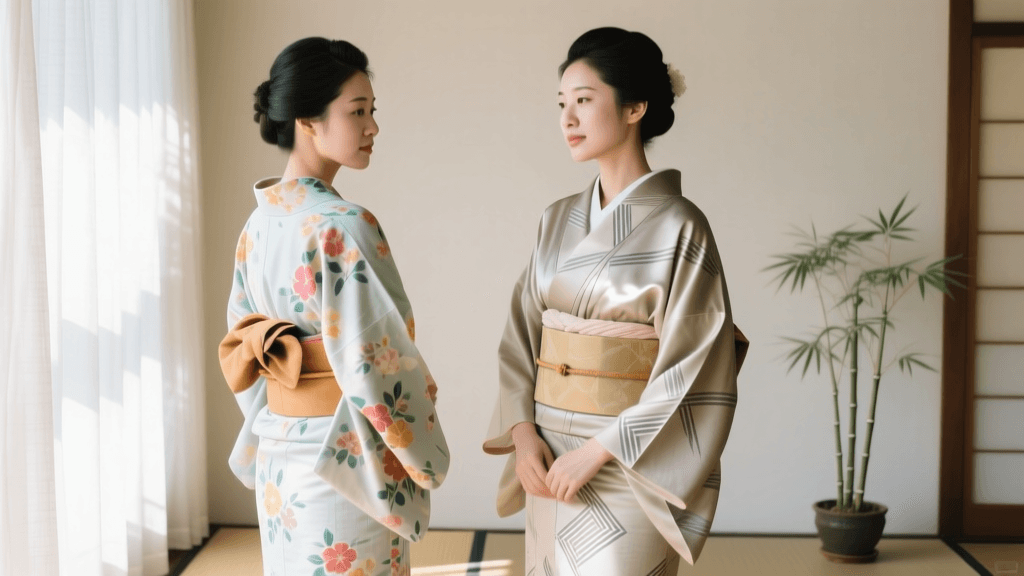
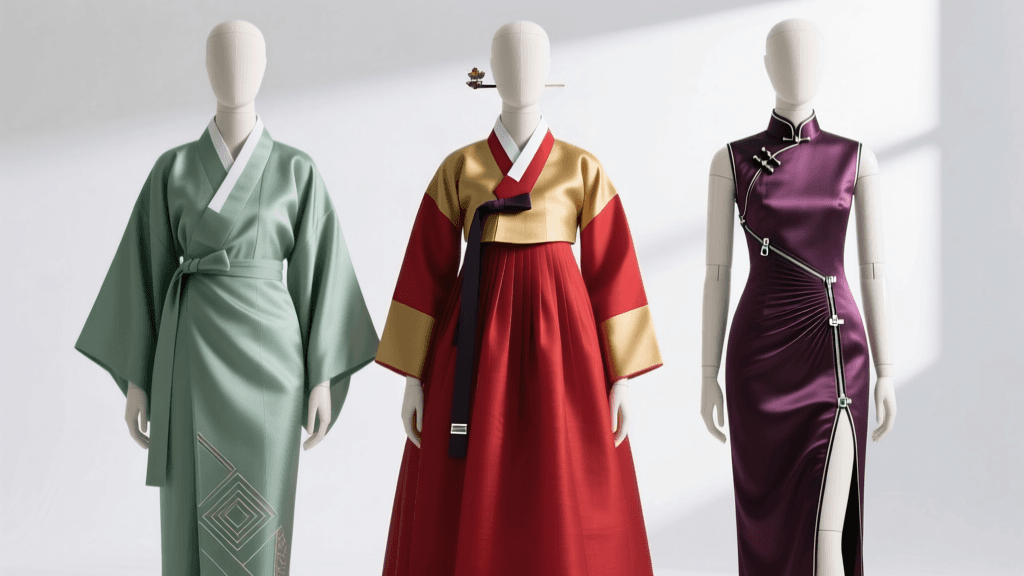
Best Japanese Fashion Blogs Covering Traditional Textiles 2026
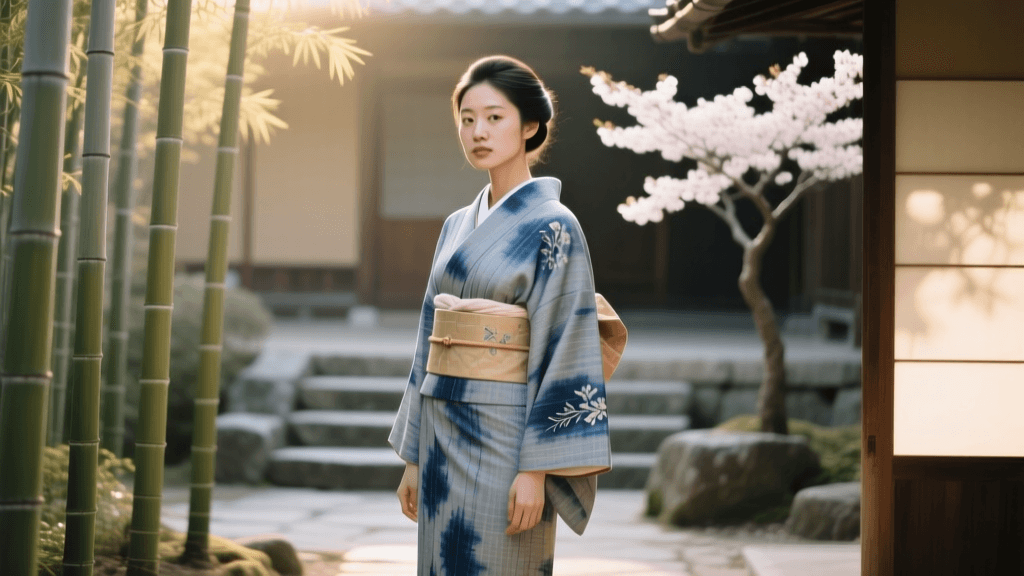
The Evolution of Japanese Fashion Journalism in 2026
The landscape of Japanese fashion journalism has undergone a radical transformation over the last few years, shifting from glossy, print-heavy editorial spreads to dynamic, interactive digital platforms. In 2026, the most influential voices in Asian traditional garments are no longer confined to legacy print magazines. Instead, a vibrant ecosystem of online magazines, independent blogs, and digital-first publications is leading the charge in documenting, preserving, and modernizing traditional Japanese textiles. From the intricate silk weaving of Nishijin-ori to the rustic, indigo-dyed charm of Boro and Sashiko, digital journalists are bridging the gap between centuries-old heritage craftsmanship and contemporary global streetwear.
For enthusiasts, collectors, and designers, following the right Japanese fashion blogs is essential. These platforms do not merely showcase beautiful garments; they provide deep-dive investigations into the supply chains of natural dyes, the socio-economic realities of aging artisan communities, and the innovative ways young designers are integrating Wafuku (traditional Japanese clothing) into modern wardrobes. According to the Agency for Cultural Affairs, Government of Japan, the digital documentation of intangible cultural properties has become a primary strategy for heritage preservation in 2026, making fashion journalism a vital tool for cultural survival.
The Digital Shift: How Online Magazines are Preserving Heritage
In 2026, the premier Japanese fashion blogs and online magazines are leveraging advanced digital tools to tell richer stories. Augmented Reality (AR) features allow readers to view the drape of a Yuzen-dyed silk kimono in three dimensions, while interactive maps trace the origins of specific indigo farms in Tokushima. This technological leap has democratized access to highly specialized knowledge that was once locked within the walls of Kyoto’s exclusive textile guilds.
Furthermore, the rise of niche newsletter platforms and independent CMS blogs has empowered individual artisans to become journalists. Master dyers and weavers now publish weekly dispatches detailing their creative processes, the challenges of sourcing natural materials in a changing climate, and the meticulous mathematics behind traditional loom setups. This direct-to-consumer journalism has fostered a highly engaged global community dedicated to the ethical sourcing and appreciation of traditional Asian garments.
Top Online Magazines and Blogs to Follow in 2026
Navigating the sheer volume of digital content can be overwhelming. To help you stay at the forefront of traditional Japanese fashion, we have curated a list of the most authoritative and innovative online publications active in 2026.
1. WWD Japan’s Heritage & Craftsmanship Section
While WWD Japan is globally recognized for its rigorous coverage of the contemporary fashion business, its dedicated Heritage & Craftsmanship digital vertical has become an indispensable resource in 2026. This section focuses heavily on the business and supply chain realities of traditional textiles. Recent investigative pieces have covered the economic impact of automated looms on traditional Oshima Tsumugi silk production and the strategic partnerships between heritage dye houses and European luxury conglomerates. For readers interested in the intersection of commerce, sustainability, and traditional Asian garments, WWD Japan offers unparalleled, data-driven journalism.
2. Kimono Salone (Digital Edition & Interactive Blog)
Historically a premier print publication for kimono enthusiasts, Kimono Salone has fully embraced its digital transformation. In 2026, their online magazine features interactive editorial spreads that allow readers to click on specific elements of a garment to learn about the history of the motif, the type of silk used, and the regional origin of the weave. Their blog section frequently interviews young, progressive kimono stylists who are redefining how traditional garments are worn in modern urban environments, pairing vintage Haori jackets with contemporary denim and streetwear sneakers.
3. The Sashiko & Boro Revivalist Networks
Grassroots journalism has found a thriving home in the Sashiko and Boro communities. Independent blogs and digital collectives, such as the Upcycle Stitches network, function as both educational hubs and journalistic archives. In 2026, these platforms are publishing extensive, multi-part series on the evolution of running stitches from functional peasant repairs to high-fashion textile art. They provide actionable tutorials, historical context, and interviews with master stitchers in Aomori and Tohoku, ensuring that the philosophy of 'mottainai' (a sense of regret concerning waste) remains central to modern sustainable fashion discourse.
Bridging the Gap: Streetwear, Summer Wear, and Wafuku
One of the most exciting trends covered by Japanese fashion blogs in 2026 is the seamless integration of traditional summer casual wear into everyday street style. Publications are dedicating extensive coverage to the ongoing debate and stylistic evolution of Yukata versus Jinbei. While the Yukata remains a staple for summer festivals (matsuri), digital street-style magazines are highlighting the Jinbei—a two-piece traditional garment consisting of a short-sleeved top and shorts—as the ultimate urban loungewear.
Fashion journalists are documenting how contemporary brands are utilizing traditional Shibori tie-dye techniques on Jinbei sets, creating breathable, weather-adapted garments perfect for the increasingly hot and humid Japanese summers. Blogs frequently publish buyer’s guides comparing the thread counts, dye fastness, and breathability of modern Jinbei versus vintage market finds, providing immense value to international readers looking to incorporate authentic Asian traditions into their warm-weather wardrobes.
Comparison Chart: Top Digital Platforms for Traditional Fashion
To help you choose the right reading material for your specific interests, we have compiled a comparison chart of the leading Japanese digital fashion platforms covering traditional garments in 2026.
| Publication / Blog | Primary Focus | Content Format | Best For |
|---|---|---|---|
| WWD Japan (Heritage) | Business, supply chain, and luxury collaborations | Long-form articles, data reports, industry interviews | Industry professionals, investors, and business analysts |
| Kimono Salone Digital | Styling, motif history, and modern Wafuku integration | Interactive editorials, video lookbooks, stylist interviews | Stylists, collectors, and everyday kimono wearers |
| Sashiko Revivalist Blogs | Mending techniques, Boro history, and sustainable craft | Tutorials, artisan diaries, community forums | DIY enthusiasts, sustainable fashion advocates, and crafters |
| Harajuku Heritage Zines | Streetwear integration, Yukata vs Jinbei, vintage sourcing | Street photography, buyer guides, trend forecasting | Streetwear fans, vintage buyers, and summer fashion enthusiasts |
How to Utilize These Blogs for Sourcing and Education
Reading about traditional Japanese garments is only the first step; actively engaging with these digital platforms can significantly enhance your ability to source authentic pieces and deepen your cultural understanding. Here is actionable advice for maximizing your engagement with Japanese fashion journalism in 2026.
1. Leverage Translation and Browser Extensions
While some major publications offer English localized versions, the most profound and nuanced journalism regarding regional textiles is often published exclusively in Japanese. Utilize advanced AI-driven browser extensions that provide context-aware translations. These tools are specifically trained on textile terminology, ensuring that words like 'Kasuri' (ikat weaving) or 'Katazome' (stencil dyeing) are translated accurately rather than generalized into vague terms.
2. Subscribe to Artisan Newsletters for Direct Sourcing
Many independent bloggers and artisan collectives offer premium newsletter subscriptions. By subscribing, you not only support the journalism directly but often gain early access to limited textile drops, workshop registrations, and direct-to-artisan purchasing portals. This bypasses the heavily marked-up secondary market and ensures your financial support goes directly to the creators preserving these Asian traditions.
3. Engage in Digital Community Forums
The comment sections and attached community forums of these online magazines are goldmines of information. In 2026, these spaces are heavily moderated to ensure high-quality discourse. Participate in discussions regarding the proper care of vintage silk, the ethical implications of purchasing antique ceremonial garments, and the best travel itineraries for visiting rural dyeing villages. Building a reputation in these forums can lead to private networking opportunities with vintage dealers and textile restorers.
The Future of Asian Tradition Journalism
As we move through 2026, the role of the fashion journalist has expanded from a mere critic or trend-spotter to a vital cultural archivist and educator. The Japanese fashion blogs and online magazines leading this charge are ensuring that the profound heritage of Asian traditional garments is not lost to the annals of history, but rather adapted, respected, and worn with pride in the modern era. By following these digital publications, enthusiasts worldwide can participate in the ongoing story of traditional textiles, ensuring that the loom, the dye vat, and the needle continue to shape the future of global fashion. For further exploration of Japan's rich cultural heritage and recognized traditional crafts, the Japan National Tourism Organization provides excellent supplementary resources and regional guides for textile tourism.